Dubai keeps redefining what a modern city can be — blending ambitious skyline architecture with a fast-moving push into sustainability, culture, and tech-driven convenience. Whether you’re planning a visit or following global urban trends, Dubai offers a compelling case study in rapid transformation and experience-led urban life.
What makes Dubai stand out
– Iconic landmarks draw attention, but the city’s momentum goes beyond photo ops. Investments in renewable energy, public transit, and smart infrastructure are creating a more livable, resilient urban environment. This shift appeals to residents, tourists, and businesses seeking long-term value.
Sustainability in practice
Sustainability here is pragmatic: large-scale solar projects and district cooling systems reduce peak energy demands, while stricter building codes encourage efficient designs. Water reuse and desalination innovations address arid-climate challenges, and green building certification is increasingly common across new developments. For visitors, sustainable choices are visible in electric taxi fleets, EV charging availability, and eco-conscious hotel programs.
Mobility and accessibility
The transportation picture is expanding beyond private cars.
A growing metro network, frequent tram and bus connections, and dedicated cycling routes make many neighborhoods easier to reach.
Autonomous vehicle trials and last-mile electric mobility options are appearing in business districts and tourist zones, reflecting a broader move toward cleaner, smarter transit.
Cultural and creative momentum
Dubai’s cultural scene now rivals its shopping and hospitality fame.
Contemporary galleries, community arts hubs, and immersive museums offer alternatives to traditional sightseeing. Cultural districts promote local artists, experimental performance, and pop-up festivals that attract diverse audiences.
Food culture mirrors this dynamism: a thriving restaurant scene spans street-food creativity to high-end culinary experimentation, supported by an expanding local ingredient supply chain and specialty markets.
Hospitality and experiences
Hospitality remains a core strength. Beyond luxury stays, the market now features boutique hotels, design-led accommodations, and staycations that spotlight wellness and sustainability.
Experiences are curated — desert conservation tours, architectural walking routes, and family-friendly edutainment venues — letting visitors connect beyond the usual checklist.
Business and innovation environment
Free zones, business-friendly licensing, and a steady inflow of global companies make Dubai a magnet for entrepreneurs and corporate hubs.
Start-up accelerators and innovation hubs focus on cleantech, logistics, and fintech, leveraging strategic location and infrastructure to pilot scalable solutions.
Practical tips for visitors
– Plan for the climate by scheduling outdoor activities in cooler parts of the day and choosing attractions with shaded or climate-controlled spaces.
– Use public transport and shared mobility options to avoid traffic and reduce travel costs.
– Explore cultural neighborhoods and local markets for authentic food and crafts beyond major malls.
– Book popular attractions and dining in advance, especially during high-demand periods.
Why it matters
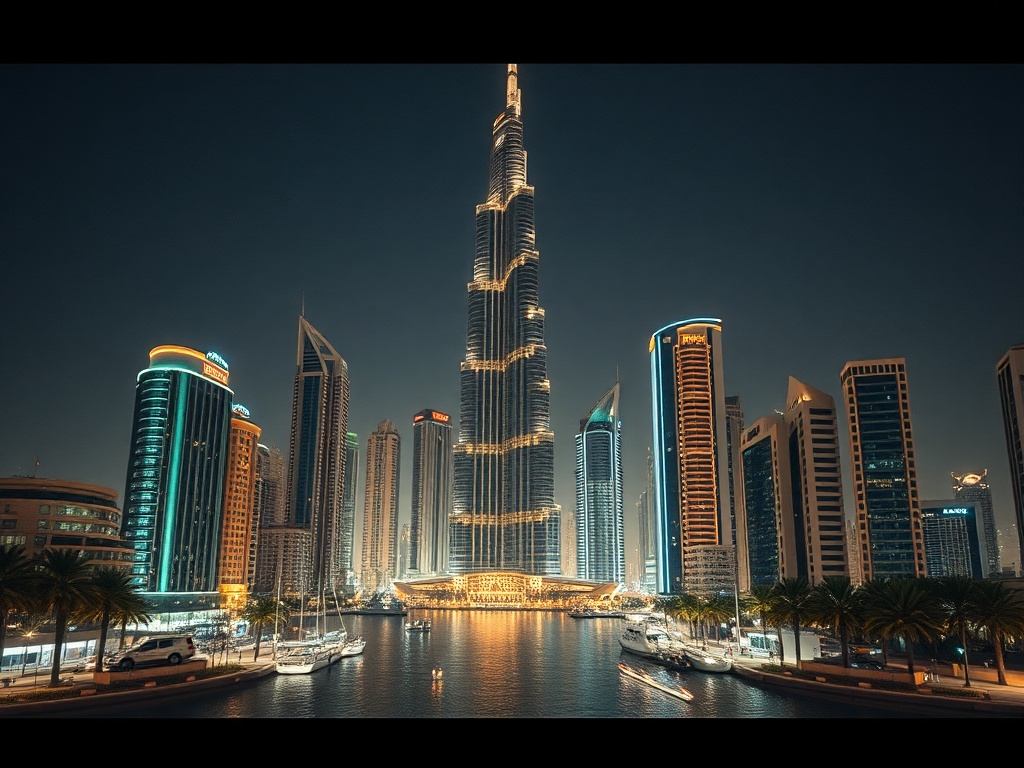
Dubai’s ongoing evolution illustrates how a city can balance rapid growth with a shift toward sustainability and smarter living.
For travelers, it offers a mix of iconic sights, emerging cultural depth, and novel urban experiences. For planners and investors, it showcases practical approaches to energy, mobility, and economic diversification that other cities are watching closely.
Whether you’re drawn by skyscrapers, desert landscapes, or the burgeoning cultural calendar, Dubai continues to be a place where ambition and innovation combine to create memorable, forward-looking urban experiences.