Dubai is evolving into a city that blends ambition with practicality, mixing glittering architecture and luxury experiences with tangible steps toward sustainability and smart living. As the city continues to attract global visitors, investors, and talent, its focus is shifting from rapid expansion alone to creating resilient systems that support long-term quality of life.
Smart urban planning and mobility
Public transport and technology are central to Dubai’s urban strategy.
Extensive metro and tram networks, integrated with buses and water taxis, reduce reliance on private cars and make key districts more accessible. Smart-ticketing and real-time transit apps simplify navigation for residents and visitors alike. At street level, planners are prioritizing walkable promenades, shaded pedestrian corridors, and cycling routes that encourage healthier, low-emission travel.
Renewable energy, water and waste management
Energy diversification is visible across the emirate. Rooftop solar installations, large-scale solar parks, and energy-efficient building standards are lowering dependence on traditional generation.
Water scarcity is being addressed through smarter desalination techniques, leak-reduction programs, and incentives for water-wise landscaping. Waste management is shifting toward circular approaches: greater emphasis on recycling, food-waste streams, and waste-to-energy projects is helping reduce landfill pressure as municipal systems modernize.
Greener buildings and healthy neighborhoods
Sustainable architecture is becoming mainstream rather than niche.
Developers are increasingly pursuing green building certifications and incorporating passive cooling designs, high-performance glazing, and recycled materials. New residential communities often include community farms, native landscaping, and energy-efficient street lighting. These features improve livability while cutting operational costs for homeowners and businesses.
Food security and local production
Urban agriculture and controlled-environment farming are gaining traction to improve food security and shorten supply chains. Vertical farms, hydroponic greenhouses, and local produce markets are making fresh greens more available year-round. This trend also supports culinary innovation: chefs and restaurateurs are using local and seasonal ingredients to create menus that reflect the city’s diverse cultural mix.
Cultural diversification and responsible tourism
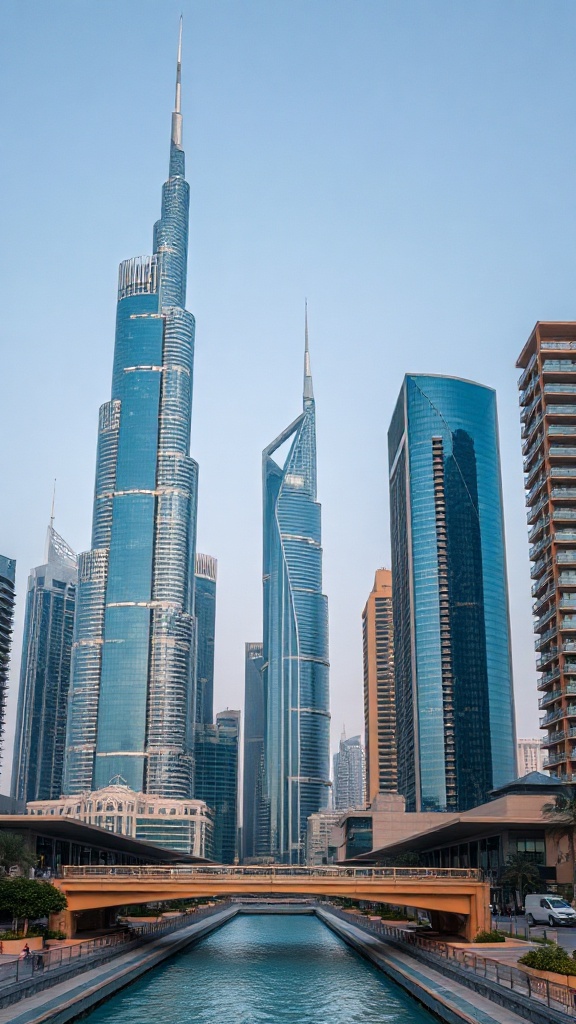
Dubai has been broadening its cultural appeal beyond luxury shopping and iconic skyscrapers.
Art districts, contemporary galleries, music venues, and heritage sites are part of a more layered visitor experience. Cultural programming designed with community input is helping preserve traditions while welcoming new creative expressions.
Sustainable tourism practices—such as eco-certified hotels, conservation-focused excursions, and support for local artisans—are becoming easier to find and support.
Tips for visitors and residents who want to be sustainable
– Use public transit and water taxis whenever practical; they are efficient and reduce your carbon footprint.
– Choose hotels with sustainability credentials or green operational practices.
– Support local markets and restaurants that prioritize regional produce.
– Carry a reusable water bottle and avoid single-use plastics.
– Explore pedestrianized neighborhoods and eco-focused excursions that benefit conservation efforts.
A resilient, diversified future
Dubai’s growth is increasingly measured by the quality of urban systems and environmental stewardship as much as by skyline milestones. By combining technology, policy shifts, and community-driven initiatives, the city is positioning itself for a resilient future that accommodates tourism, commerce, and daily life more sustainably.
For visitors and residents alike, opportunities to experience and contribute to that transition are easy to find.