Dubai’s skyline is more than a collection of iconic towers — it’s a story of rapid innovation, luxury hospitality, and a growing focus on sustainability and culture.
For visitors, investors, and residents alike, the city offers a blend of cutting-edge infrastructure and authentic experiences that keep it on many people’s radar.
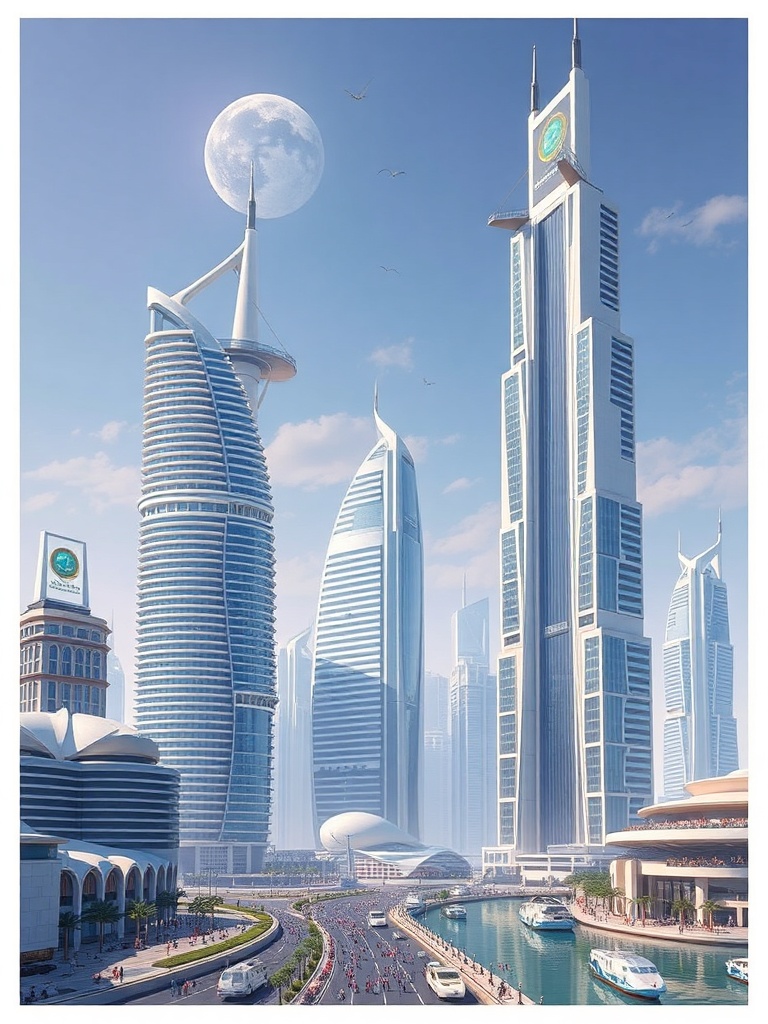
A skyline shaped by ambition and design
From soaring mixed-use skyscrapers to reclaimed islands and waterfront promenades, Dubai’s urban fabric reflects ambitious planning and global architectural talent. Landmark developments are complemented by carefully designed public spaces, waterfront attractions, and transit connections that make the city easier to explore than its scale might suggest.
Sustainability and smart-city advancements
Dubai has been scaling up sustainability across energy, mobility, and urban planning. Large-scale solar projects, energy-efficient building standards, and expansion of district cooling and green infrastructure are helping reduce the carbon footprint of high-density developments. At the same time, smart-city platforms and digital government services aim to simplify everyday life, from transport ticketing to municipal services.
Culture and heritage amid modernity
Beyond luxury retail and high-end resorts, Dubai’s cultural districts and restored heritage zones offer a window into the region’s maritime and trading past. Narrow lanes, traditional wind-tower architecture, art galleries, and cultural centers create contrast with modern neighborhoods and provide diverse experiences for travelers seeking more than shopping and nightlife.
What to experience
– Waterfront walks and historic quarters: Explore creekside promenades and heritage neighborhoods where museums, art spaces, and boutique cafés reveal a less-commercial side of the city.
– Architectural highlights: Even casual observers will find the skyline rewarding — rooftop viewpoints, observation decks, and waterfront boardwalks deliver impressive photo opportunities.
– Culinary diversity: An evolving food scene ranges from street-food markets and neighborhood cafés to Michelin-level dining, reflecting the city’s international population.
– Events and retail: Pop-up markets, cultural festivals, and large-scale retail events provide ongoing reasons to visit throughout the year.
Travel and lifestyle tips
– Use public transit where possible: The metro, modern tram systems, and ferries serve major attractions and are efficient ways to avoid traffic.
– Book experiences ahead: Popular viewpoints, cultural tours, and speciality restaurant bookings can fill up fast — advanced planning helps secure the best times.
– Explore beyond the downtown icons: Neighborhoods along the creek, coastal districts, and newly developed areas offer unique local shops, galleries, and dining options.
– Know local customs: Modest dress in certain public and religious spaces, respectful behavior during cultural observances, and awareness of local laws will ensure a comfortable visit.
Opportunities for investors and residents
Real estate and business zones continue to evolve, with varied offerings across free zones, mixed-use developments, and hospitality projects. Demand for flexible workspaces, high-quality rental stock, and sustainable building practices is creating niches for investors who prioritize long-term, resilient assets.
Dubai remains appealing because it blends comfort, accessibility, and ambition. Whether the interest is tourism, living, or investment, the city’s combination of modern conveniences, cultural depth, and forward-looking infrastructure keeps it relevant and compelling for a wide range of people.