Saudi Arabia is reshaping its image from an oil-centered economy to a global travel and cultural destination, blending ancient heritage with ambitious, sustainable tourism developments. The transformation is driven by a mix of public investment, private partnerships and policy changes that make visiting easier and more appealing to a wider international audience.
Accessible travel and new experiences
A major catalyst has been more accessible entry options for international visitors and streamlined visa processes, which opened the door to diverse travelers. That accessibility pairs with a growing range of experiences: luxury beach resorts along the Red Sea, desert adventures and cultural stays in historic towns. Major coastal and inland projects are designed to attract leisure tourists, business travelers and event-goers, expanding hospitality inventory from boutique riads to high-end international hotels.
Heritage, culture and immersive archaeology
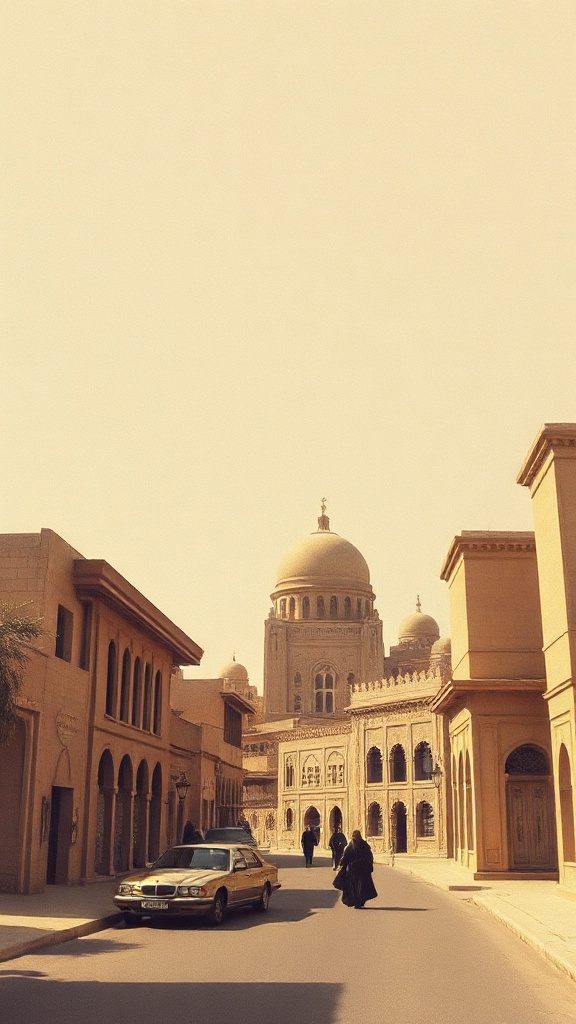
Saudi Arabia’s archaeological and cultural sites are central to its appeal. Ancient ruins, rock art, traditional souks and restored heritage districts offer immersive storytelling that connects visitors to the Arabian Peninsula’s deep history.
Efforts to conserve and interpret archaeological landscapes are complemented by curated cultural programming—festivals, exhibitions and performances—that showcase local crafts, music and cuisine while generating year-round tourism flows.
Sustainability and responsible tourism
Sustainability is integral to many flagship developments.
Several coastal and island resorts emphasize low-impact construction, marine conservation and renewable-energy systems to protect fragile ecosystems. Inland initiatives focus on preserving desert habitats and cultural landscapes, with planning that balances development with long-term environmental stewardship. These priorities aim to attract travelers who value authentic, eco-conscious experiences.
Religious tourism modernization
Religious travel remains a critical component of Saudi Arabia’s tourism mix.
Investments in infrastructure, digital services and logistics have improved pilgrim flows and visitor comfort for those undertaking spiritual journeys.
Pilgrimage-related services are being modernized with a focus on safety, accessibility and dignified accommodations, benefiting both short-term visitors and long-stay cultural travelers.
Economic opportunity and workforce development
Tourism growth is linked to wide economic aims: job creation, skills development and private-sector growth.
Training programs, hospitality academies and entrepreneurship initiatives equip a new generation of workers for roles across hotels, attractions, guiding services and cultural industries.
As domestic and international investment grows, small and medium enterprises are primed to capture more value from expanding tourist demand.
Challenges and the path ahead
Scaling tourism at pace brings challenges—ensuring environmental safeguards, maintaining authentic cultural practices amid commercialization and managing visitor numbers at sensitive sites.
Thoughtful governance, community engagement and adaptive management will be essential to preserve what makes each destination unique while supporting responsible growth.
Why it matters
For travelers, Saudi Arabia now offers a rare combination: dramatic natural settings, centuries-old heritage and forward-looking projects designed with sustainability in mind. For businesses and local communities, tourism presents a durable source of diversification and employment. As the country continues to open and adapt, the tourism sector will likely remain a key arena where culture, economy and conservation intersect, offering new reasons for visitors to explore this complex and compelling destination.