Dubai continues to reinvent itself as a destination where modern ambition meets Emirati tradition. From skyline-defining architecture to quieter cultural corners, the city offers a diverse mix of experiences for visitors and residents who want more than just a selfie by a landmark.
A changing skyline and smarter streets
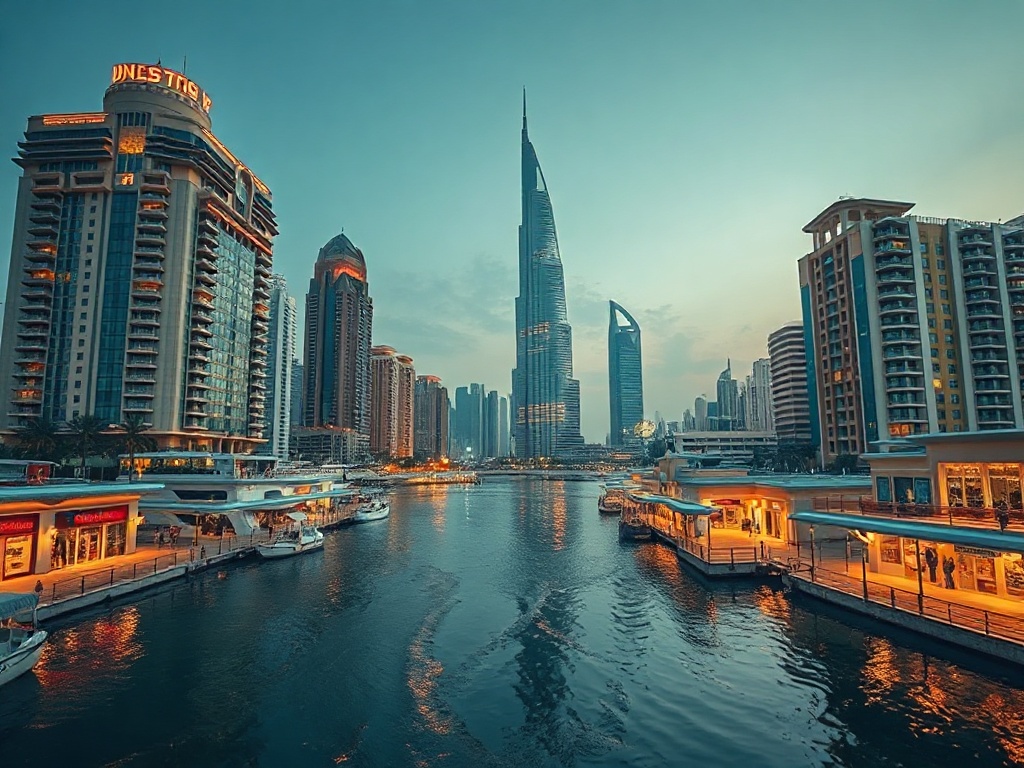
The skyline still commands attention, but urban planning has shifted toward smarter, greener infrastructure.
Public transit—metro lines, trams and express buses—connect major hubs and cut travel times compared with car-only routes.
Electric taxis and growing networks of EV chargers reflect a wider push toward lower-emission transport, while pedestrian-friendly developments encourage walking between cafés, galleries and parks.
Sustainability with style
Sustainability is no longer backstage. Developers and hospitality groups are prioritizing energy-efficient buildings, rooftop solar and water-saving systems to reduce environmental impact without sacrificing luxury.
Many new hotels and residential projects highlight certifications for green design, and citywide initiatives encourage recycling, reduced plastic use and responsible water management.
Travelers can support these efforts by choosing eco-conscious accommodations, using public transit and minimizing single-use plastics.
Culture beyond the icons
Beyond the major landmarks, Dubai’s cultural scene is richer than ever. Contemporary art districts, independent galleries and creative spaces host rotating exhibitions and performances that spotlight regional talent. Historic neighborhoods and traditional souks provide a contrast to glass-and-steel towers—ideal for those who want to taste authentic spice blends, textiles and handcrafted souvenirs while practicing respectful bargaining and local etiquette.
Nature in an urban desert
Green spaces and coastal areas provide surprising variety. Protected wetlands near the city attract migratory birds and make for peaceful nature walks, while coastline promenades and beaches offer watersports and family-friendly leisure. Urban parks, botanical displays and seasonal flower shows present botanical diversity in an otherwise arid setting, underscoring how design and irrigation strategies can create verdant public life.
Smart tourism and flexible itineraries
Tourism is more experience-driven now: curated food tours, heritage walks, desert eco-safaris and private yacht excursions are popular options that avoid crowded hotspots. Many operators emphasize smaller-group experiences and sustainable practices. For convenience, contactless ticketing and mobile apps make reservations, payments and local transit navigation straightforward—ideal for planning flexible days that mix sightseeing with relaxation.
Practical tips for a smooth visit
– Use the metro and tram for fast, reliable transit between major attractions; taxis and ride-hail apps fill in gaps.
– Respect local customs: dress modestly in religious sites and be mindful of public behavior.
– Stay hydrated and plan outdoor activities for cooler parts of the day when possible.
– Book popular attractions in advance and consider weekday visits to avoid peak crowds.
– Try local cuisine beyond the tourist restaurants—neighborhood cafés and food markets often serve the most memorable meals.
A city of contrasts and possibilities
Dubai’s appeal lies in its contrasts: traditional souks next to futuristic museums, tranquil nature reserves near bustling waterfronts.
For travelers and investors alike, the city represents a dynamic mix of opportunity, innovation and cultural discovery. Whether you’re after architectural marvels, culinary exploration or eco-friendly experiences, Dubai offers a range of ways to connect with its evolving identity while being mindful of sustainability and local traditions.