Dubai continues to captivate travelers, investors, and culture seekers with a blend of bold architecture, expanding cultural offerings, and a growing focus on sustainability. Whether you’re planning a first-time visit or a return trip, understanding what defines the city now helps you make the most of its contrasts—glitzy skylines and historic neighborhoods, luxury experiences and grassroots creativity.
What to see and do
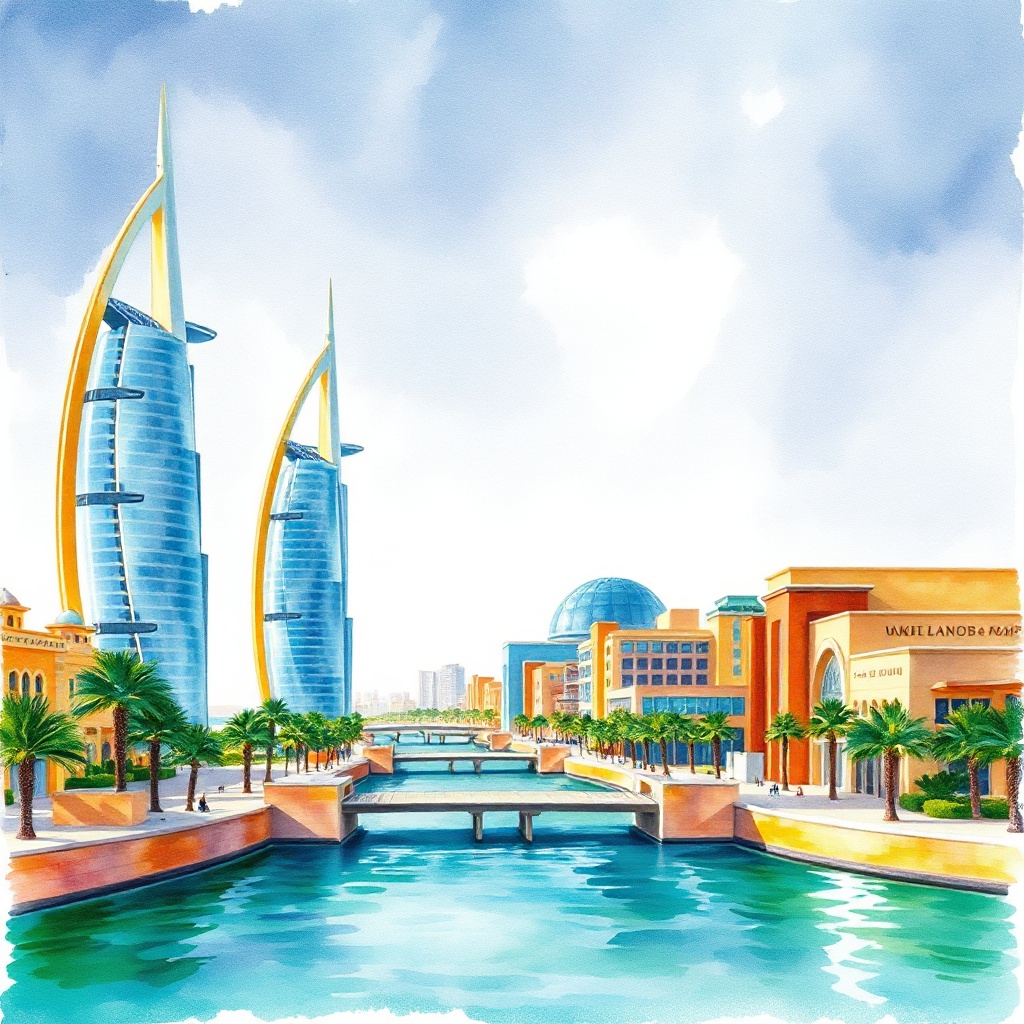
– Architectural icons: The city’s skyline is a portrait of modern ambition. Along with soaring towers and waterfront developments, discover innovative spaces that mix public programming with striking design. Don’t miss the dynamic waterfront promenades and new mixed-use districts that invite strolling, dining, and people-watching.
– Heritage pockets: For a quieter, texture-rich experience, explore the restored historic districts and winding alleys of the creekside neighborhoods. Traditional wind-tower houses, boutique art spaces, and intimate cafés tell the story of Dubai before the skyscrapers.
– Museums and cultural venues: A growing network of museums and cultural centers offers rotating exhibitions, performing arts, and immersive installations that showcase regional history, design, and contemporary creativity.
Many institutions pair global programming with local voices, making them great stops for culturally curious visitors.
– Desert and outdoor adventures: Beyond the city limits, desert dunes, mangrove reserves, and coastal islands offer everything from sunrise drives and wildlife spotting to stand-up paddleboarding and eco-tours. Outdoor experiences now include guided conservation activities that highlight regional ecosystems.
– Food scene: Dubai’s culinary map reflects its international population and Emirati traditions.
From fine-dining tasting menus to street-food markets and traditional coffee houses, the dining scene is as varied as it is vibrant. Look for chef-led pop-ups and gastromarkets for the latest trends.
Sustainability and innovation
Dubai is positioning itself as a leader in climate-forward infrastructure and sustainable urban planning. Large-scale renewable energy projects, progressive building codes, and initiatives to protect coastal ecosystems are part of a broader push to reduce environmental impact while maintaining rapid development.
Expect new green neighborhoods, energy-efficient mixed-use hubs, and more public transport options that make car-free exploration easier.
Getting around
The public transport system provides a fast, air-conditioned spine through major districts, complemented by trams, ferries, and a growing fleet of electric taxis and ride-hailing services. For short distances, e-scooters and bike-share programs are increasingly common during cooler months. Traffic can be heavy during peak times, so plan journeys with some buffer time.
Practical tips
– Dress and behavior: Dress modestly in public and respect local customs, especially at religious sites and traditional areas. Beachwear is fine at beaches and pools but not in malls or public streets.
– Payments and connectivity: Card and mobile payments are widely accepted; free Wi-Fi is available in many public and commercial spaces. Local SIM cards and eSIMs offer reliable data coverage.
– Planning and safety: Dubai is known for safety and high-quality services, but local laws and cultural norms can differ from other places—check official guidance before travel. Book popular attractions and dining options in advance, especially during peak visitor seasons.
Why visit now
Dubai’s mix of high-capacity cultural programming, evolving public spaces, and expanding sustainable infrastructure makes it a city that rewards both quick stopovers and longer stays. Whether you’re chasing architectural marvels, culinary discoveries, or outdoor adventures, Dubai offers a layered experience that balances ambition with emerging local authenticity.
Expect creative neighborhoods, thoughtful public spaces, and ever-more interesting ways to engage with the city’s past and present.