Saudi Arabia’s Transformation: Tourism, Tech, and Sustainable Growth
Saudi Arabia is navigating a rapid transformation that touches tourism, technology, energy, and culture. Driven by a long-term national plan to diversify the economy, the kingdom is opening new corridors for visitors, investors, and creatives while maintaining its role as a major energy supplier. That combination is reshaping how the country is seen around the world.
Tourism opens new doors
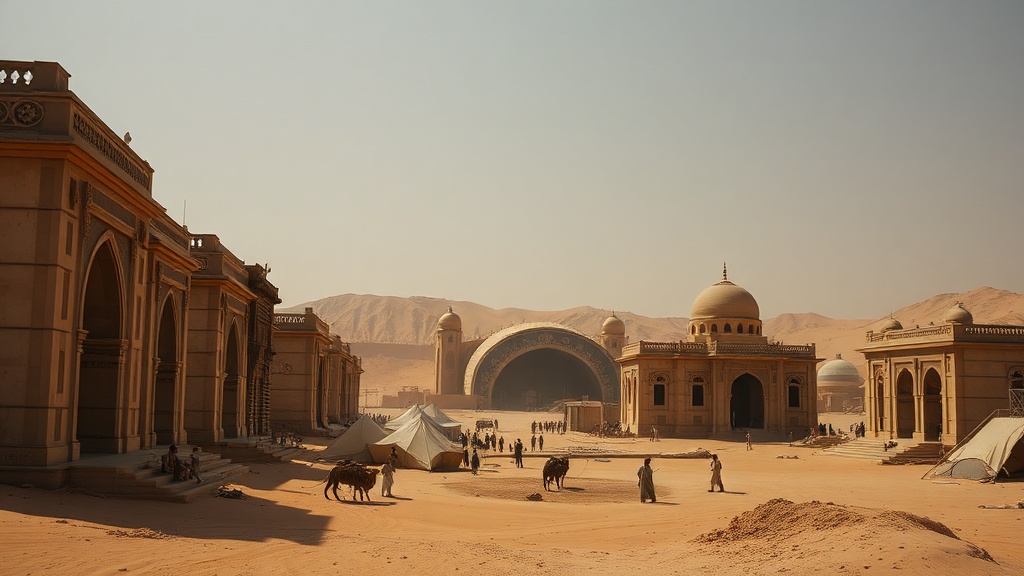
Tourism is a central pillar of the diversification strategy. Expanded visa options and improved infrastructure have made leisure travel more accessible alongside the long-established religious pilgrimages to Mecca and Medina. Luxury coastal developments, heritage restorations, and desert eco-resorts create a broad mix of offerings: boutique cultural stays in restored historical districts, adventure tourism in vast deserts, and high-end wellness on the Red Sea coast.
High-profile projects aim to position Saudi Arabia as a global destination. Coastal island resorts emphasize marine conservation and low-impact construction; inland developments combine smart-city design with cultural programming. These projects are marketed not only for leisure travelers but also for experiential tourists seeking archaeological, culinary, and arts-focused itineraries.
A booming cultural and entertainment scene
The cultural landscape is expanding rapidly.
New museums, performing arts venues, and festivals have multiplied opportunities for local and international artists. Historic districts are being revitalized to host galleries, craft workshops, and culinary experiences that showcase regional traditions. Entertainment options have broadened, attracting diverse audiences and supporting a growing hospitality sector.
Investment climate and business reform
To attract foreign direct investment, regulatory reforms streamline business setup, increase transparency, and create special economic zones that offer incentives for strategic sectors. The government is seeking to nurture homegrown entrepreneurship while encouraging multinational companies to establish regional hubs.
Priority sectors include tourism, renewable energy, technology, and advanced manufacturing.
Technology, sustainability, and energy transition
Technology and sustainability are central to future growth.
Smart-city initiatives and digital infrastructure upgrades are designed to enhance livability and economic efficiency. The kingdom is investing in renewable energy—primarily solar and wind—alongside pilots for green hydrogen and other low-carbon technologies to complement its established role in oil and gas.
Large-scale projects emphasize sustainability: protected marine areas, nature-based tourism, and carbon reduction strategies are core elements of many developments. There is growing collaboration between public entities and private firms to integrate environmental safeguards with ambitious construction and tourism goals.
Social change and workforce development
Economic changes are accompanied by notable social shifts. Expanded roles for women in the workforce, new professional pathways for young people, and large-scale training programs aim to match local talent with emerging industries. Workforce localization policies encourage hiring and skill development among citizens while attracting international expertise where needed.
Balancing modernity and tradition
A key challenge is balancing rapid modernization with cultural and religious traditions. Planners are emphasizing inclusive approaches that engage local communities, protect heritage sites, and foster sustainable livelihoods.
Successful projects tend to be those that integrate local input and preserve authenticity while offering modern amenities.
Looking ahead
Saudi Arabia’s development trajectory is creating opportunities across travel, investment, and innovation. For travelers, it means more varied destinations and cultural experiences. For investors and businesses, it means new markets and a more diversified economy. Observers watching the kingdom’s blend of ambition, conservation, and cultural revival will likely see continued evolution in how the country positions itself on the global stage.