Dubai keeps reinventing how a modern city can blend luxury, culture, and sustainability — making it a compelling destination for residents and visitors who want more than flashy skylines.
The city’s strategy now balances high-end experiences with practical moves toward greener transport, smarter infrastructure, and more authentic cultural offerings.
Sustainable skyline and green infrastructure
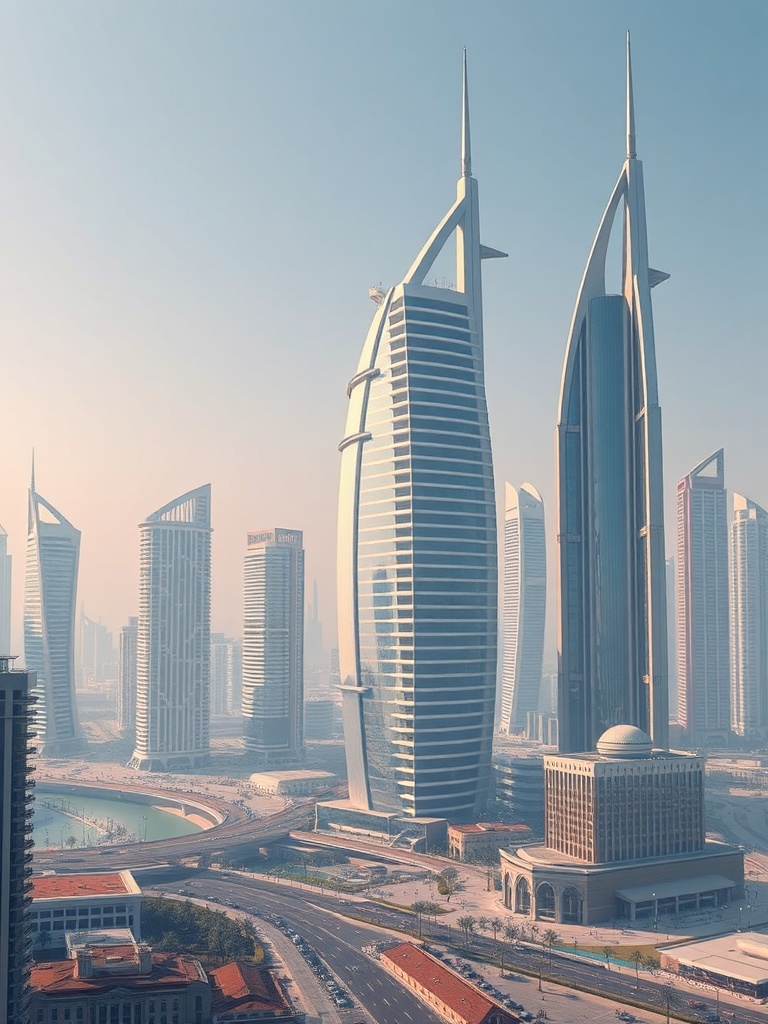
Dubai’s skyline remains iconic, but attention has shifted toward minimizing environmental impact. Developers and policymakers are embracing green building regulations that focus on energy efficiency, water conservation, and passive design. Large-scale solar projects and rooftop photovoltaic installations are increasingly common across new developments and commercial precincts, feeding clean power into the grid and cutting operational costs for businesses and hotels. Landscape design is trending toward native and drought-tolerant planting, which reduces irrigation needs while creating pleasant public spaces.
Getting around smarter and cleaner
Transport options in Dubai are expanding beyond private cars. The metro and tram network provide fast, air-conditioned corridors through key districts, while a growing fleet of electric and hybrid taxis, along with app-based ride services, offer low-emission alternatives for shorter trips.
Water transport — from traditional abra crossings to modern water taxis — gives a scenic way to move along the creek and marina. For frequent visitors, the city’s contactless transit card makes transfers seamless and cost-effective.
Culture, creativity, and more authentic experiences
Alongside glittering malls and leisure attractions, Dubai is cultivating cultural depth.
Restored historical neighborhoods, contemporary art hubs, and intimate performance spaces are drawing attention for their authentic local flavor. Markets and souks remain lively centers for jewelry, spices, and textiles, while creative districts host galleries, studios, and pop-up events that spotlight regional artists and designers. Culinary offerings mirror this diversity, ranging from gourmet fine dining to neighborhood cafés serving regional specialties.
Where innovation meets daily life
Smart-city technologies are becoming part of everyday life: apps that consolidate public transport, parking, and municipal services make urban living more convenient; sensor-driven lighting and waste-management systems improve efficiency; and pilot projects test autonomous mobility in controlled environments.
These innovations are designed to enhance livability rather than add novelty, prioritizing reliability and user experience.
Practical tips for visitors and residents
– Use public transport for major corridors to avoid traffic and enjoy comfortable, climate-controlled travel.
– Book attraction tickets in advance and look for combination passes to save money and time.
– Explore historic districts and food hubs to experience local culture beyond the major landmarks.
– Pack breathable clothing and plan outdoor activities for early morning or late evening when temperatures are most comfortable.
– Opt for sustainable tour operators and accommodation that advertise green practices if reducing your footprint matters to you.
Why this matters
Dubai’s model shows how a fast-growing city can integrate sustainability and smart-city design with tourism and commerce. For travelers, that means more ways to experience the city responsibly and more choices that reflect evolving preferences for authenticity and environmental care.
For residents and businesses, the shift points toward long-term resilience — creating attractive urban life that aims to work for people and the planet.