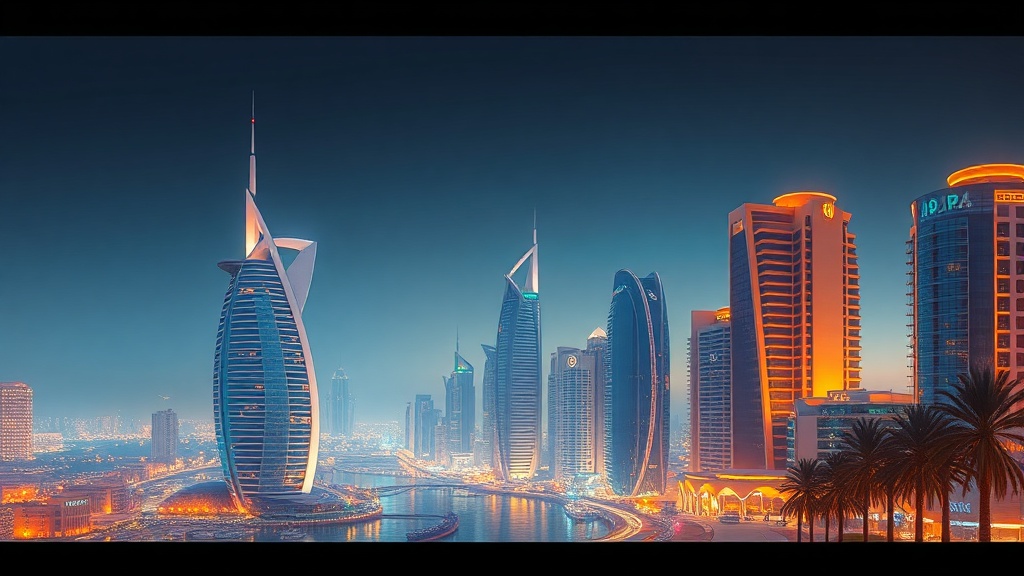
Dubai’s skyline is still defined by bold architecture and luxury experiences, but a quieter transformation is reshaping the city: a push toward sustainable urban living. Rapid development and tourism have driven innovation in energy, transport, waste management, and green design, making Dubai a useful case study for cities balancing growth with environmental responsibility.
Energy and clean power
Large-scale solar projects and distributed rooftop installations are changing how electricity is generated and consumed. Utility-scale solar farms supply a significant share of the grid’s clean energy, while commercial and residential developments increasingly incorporate rooftop solar, battery storage, and energy-efficient systems.
For businesses and homeowners, smart meters and demand-management programs help control consumption and reduce bills.
Water and resource efficiency
Water scarcity remains a core challenge in arid regions, and Dubai has focused on reducing water demand through efficient fixtures, reuse strategies, and awareness campaigns. Greywater recycling in new developments, landscaping with native and drought-tolerant species, and smart irrigation systems make a noticeable difference in urban water use. Expect to see more buildings certified for water efficiency and tighter standards for new construction projects.
Sustainable transport and mobility
Public transport investments and electrification have reshaped how people move around. Metro lines, tram networks, and bus services offer alternatives to cars, and last-mile solutions — electric bikes, scooters, and ride-sharing — are common around major hubs. The city is also integrating electric vehicle charging infrastructure into commercial areas and residential compounds, making EV ownership more practical for residents and businesses.
Green building and urban design
Sustainable building certifications and net-zero concepts are becoming mainstream for large developments. Developers prioritize passive design — orientation, shading, natural ventilation — along with high-performance glazing, insulation, and efficient HVAC systems. Mixed-use urban districts that combine housing, workspaces, and leisure help reduce commute times and create walkable neighborhoods that are more energy- and resource-efficient.
Waste, circular economy, and food
Municipalities and private partners are expanding recycling programs, organic waste collection, and waste-to-energy initiatives. There’s also growing interest in circular-economy practices among retailers and manufacturers, from packaging reduction to material reuse. Urban farming and hydroponic operations are increasingly visible in the city and surrounding areas, supplying fresh produce with lower water use and shorter supply chains.
Sustainable tourism and hospitality
Many hotels and attractions are adopting green practices to meet traveler demand for responsible options. Look for properties with recognized sustainability certifications, on-site energy- and water-saving measures, and waste reduction programs. Attractions and museums often offer educational programming about the region’s environment and sustainability efforts, enriching visitor experiences while promoting awareness.
How visitors and residents can join the shift
– Choose public transport or shared electric options for inner-city travel.
– Book accommodations with sustainability credentials or visible green measures.
– Reduce single-use plastics by carrying a reusable bottle and shopping bag.
– Support local food producers and markets to shorten supply chains.
– Seek out green experiences: urban farms, sustainable architecture tours, and eco-conscious dining.
Why it matters
Integrating sustainability into rapid urban growth protects natural resources, supports economic resilience, and enhances quality of life. The move toward cleaner energy, smarter water use, efficient mobility, and circular practices positions Dubai as a living laboratory for sustainable urban solutions — useful for residents, investors, and visitors who want to experience a city blending modern ambition with environmental stewardship.