Dubai’s evolving identity blends bold architecture, cutting-edge tech and a growing push toward sustainability — creating a city that’s as much about future-ready living as it is about luxury and tourism.
Skyline and urban design
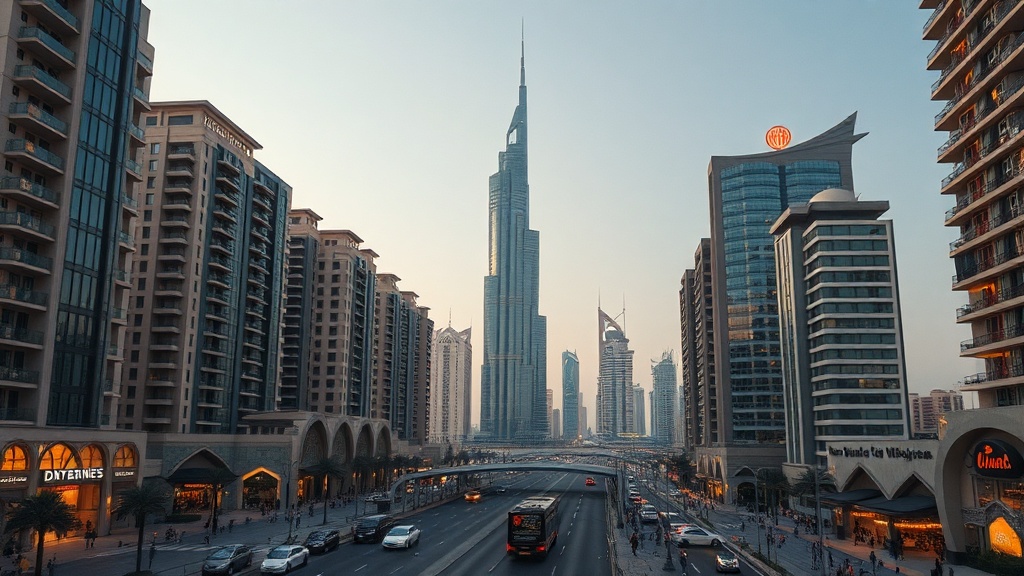
Dubai’s skyline remains iconic, but the skyline is only part of the story. New developments emphasize mixed-use neighborhoods, walkability and green space. Projects along the waterfront and infill urban districts aim to reduce car dependency while delivering high-end residential and commercial options. Signature landmarks draw visitors, but planners are increasingly focused on human-scale streets, shaded promenades and parks that make city life more livable.
Smart infrastructure and mobility
Smart-city initiatives are expanding beyond pilot projects.
The metro and light-rail networks provide a fast, air-conditioned backbone for urban travel, supported by an extensive network of ride-hailing and taxis. Trials of autonomous shuttles and expanded electric vehicle charging infrastructure signal a shift toward lower-emission transport. For visitors, the public transit system is a convenient, affordable way to move between major attractions, while last-mile options like scooters and bike-share appear more frequently in central neighborhoods.
Sustainability in practice
Sustainability is moving from slogan to measurable action. Large-scale solar installations, water-reuse systems and green building standards are being integrated into new developments. Neighborhood-level sustainability projects demonstrate practical ways to cut energy use and manage water in a desert environment, and many developers are adopting certification systems and energy-efficiency measures to appeal to environmentally conscious buyers and tenants.
Culture, dining and year-round attractions
Dubai’s cultural scene is diversifying. Contemporary art hubs, design districts and museums broaden the cultural calendar, while a growing roster of culinary talent brings global and regional flavors into dynamic restaurant scenes.
Beyond luxury retail and fine dining, there’s a strong push into experiential tourism: desert conservation experiences, coastal ecology tours, and curated cultural walks are becoming popular alternatives to traditional sightseeing.
Real estate and lifestyle trends
Demand continues for both premium beachfront properties and centrally located apartments that reduce commute times. Developers are responding with a mix of luxury residences, flexible co-living spaces and amenities that support remote work. Buyers and renters increasingly look for properties with energy-efficient systems, reliable waste management and proximity to transit — features that are becoming standard selling points.
Tips for visitors and newcomers
– Use public transit when possible to avoid traffic and reduce your carbon footprint.
– Book experiences and hotels that publish sustainability practices if greener travel matters to you.
– Respect local customs: dress modestly in traditional areas and be mindful of public behavior norms.
– Pack for the climate: lightweight, breathable clothing for warm days and a light layer for cooler evenings in air-conditioned spaces.
– Reserve popular attractions in advance to avoid long waits during peak periods.
A balanced future
Dubai continues to balance spectacle with substance. Iconic architecture and tourism remain central, but a quieter revolution is underway: smarter buildings, cleaner energy sources and more thoughtful urban design.
For residents, investors and travelers, the most interesting developments will be where innovation meets everyday quality of life — creating neighborhoods and experiences that are both aspirational and sustainable.