Dubai continues to reinvent itself as a city where bold architecture, luxury experiences, and a growing focus on sustainability meet a deep-rooted cultural heritage. For travelers and professionals alike, understanding how to navigate its contrasts—glittering skylines and quiet historic districts—makes any visit more rewarding.
What to see and do
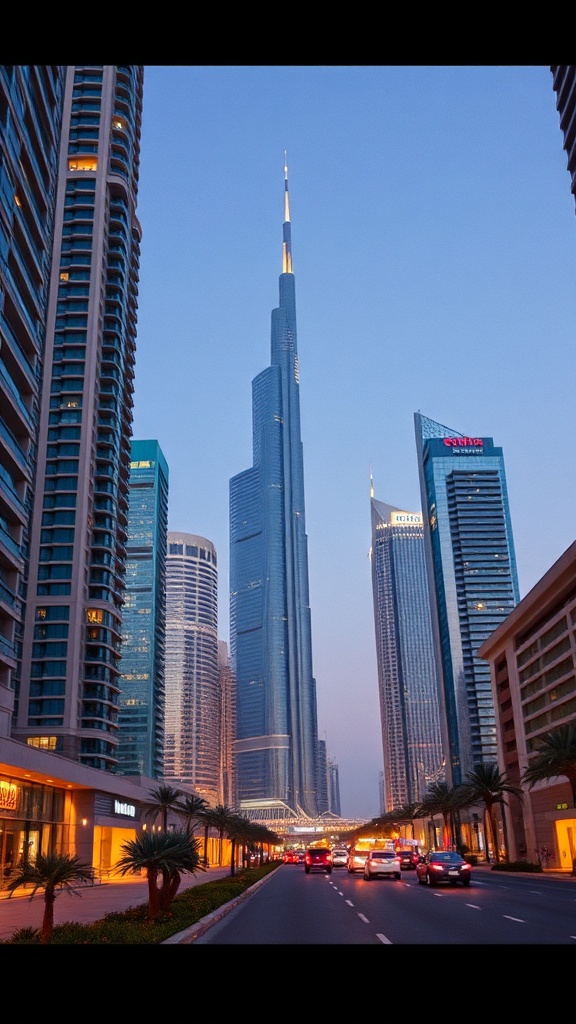
The skyline is an obvious draw, but Dubai’s appeal goes far beyond iconic towers. Waterfronts like Dubai Marina and Palm Jumeirah offer beachfront dining and yacht cruises, while Dubai Creek and the adjacent Al Fahidi Historical Neighborhood provide a glimpse into the city’s trading past with winding alleys, traditional wind-tower houses, and intimate art galleries. Large-scale attractions such as expansive shopping and entertainment complexes coexist with open-air souks where spices, gold, and textiles create a sensory experience that feels timeless.
For panoramic city views, observation decks and sky lounges are popular; for a different perspective, take an abra across the creek or a coastal dhow cruise at sunset. Outdoor enthusiasts will find desert safaris, dune-bashing, and eco-focused desert excursions that emphasize conservation and cultural exchange.
Getting around
Dubai’s public transport network is efficient and modern. The metro connects major districts and popular attractions, while trams and buses fill in the gaps.
Ride-hailing apps and taxis remain convenient for door-to-door travel. Many neighborhoods are increasingly walkable, and dedicated cycling paths and e-scooter programs encourage short, sustainable trips.
Sustainability and smart-city initiatives
A visible focus on renewable energy, green building practices, and waste reduction is shaping new developments. Solar parks, energy-efficient towers, and smart infrastructure projects are increasingly common, reflecting a wider push to balance growth with environmental responsibility.
Visitors will notice more green spaces, pedestrian-friendly promenades, and sustainable transport options than in the past.
Food and dining
Dubai’s food scene is a global buffet.
From Michelin-starred restaurants to family-run Emirati kitchens and bustling food courts, the city caters to every palate and budget.
Street food markets and culinary festivals spotlight regional flavors from across the Middle East, South Asia, and beyond. Dining etiquette varies by venue—fine-dining establishments may have a formal dress code, while casual spots are more relaxed.
Cultural tips and practical advice
Respect for local customs enhances the experience. Modest dress is appreciated in religious and traditional areas, and public displays of affection should be discreet. During religious observances, expect altered opening hours and more conservative public behavior; many venues will display guidance to visitors.
Safety and hospitality combine to make Dubai a convenient destination for solo travelers and families. Health infrastructure is advanced, and English is widely spoken across services and signage.
Where to stay
Accommodation ranges from ultra-luxury resorts on reclaimed islands to boutique hotels in historic quarters and budget-friendly options in well-connected neighborhoods.
Choose a base that matches your interests—beach and leisure, shopping and nightlife, or culture and heritage—to minimize transit time and maximize experiences.
Whether stopping through on business or staying to explore, Dubai rewards curiosity. Its mix of innovation, hospitality, and cultural depth invites visitors to look beyond the façade and discover a city that keeps evolving while honoring its roots.