Dubai blends audacity and tradition into a city that keeps drawing global attention. From soaring skyscrapers and man-made islands to historic souks and desert plains, it’s a destination where luxury tourism, business, and innovation intersect. Whether planning a short visit or exploring opportunities longer-term, here’s a practical guide to what makes Dubai stand out and how to make the most of it.
Iconic sights and urban experiences
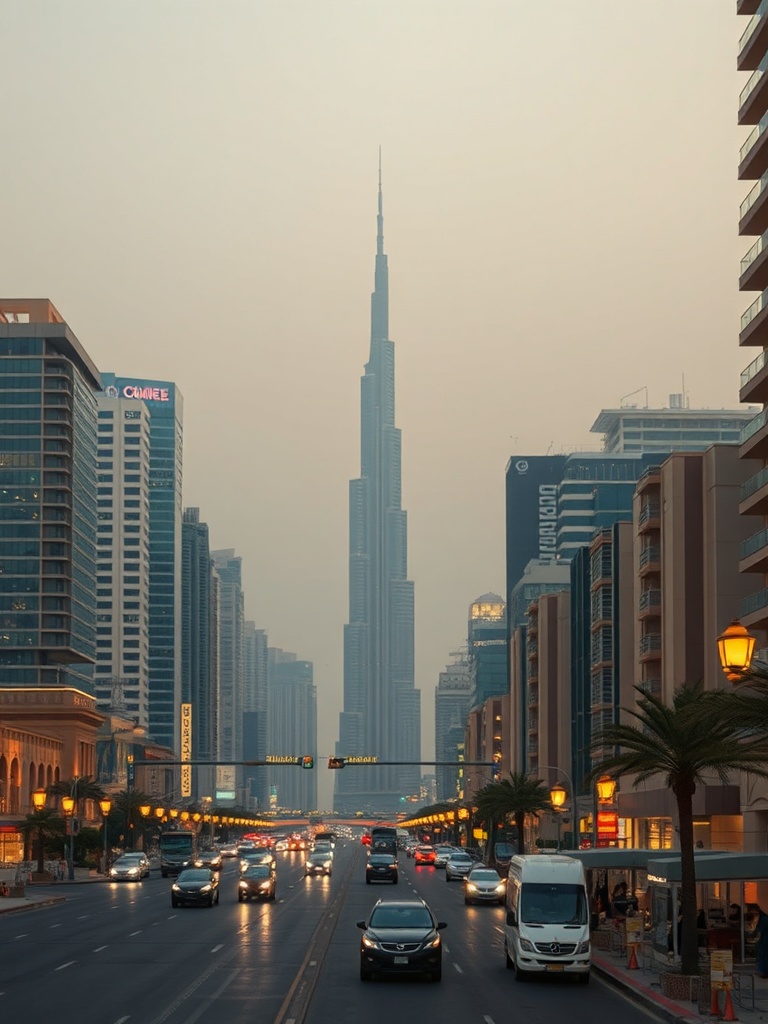
The skyline is a showpiece of architectural ambition.
Landmark attractions and photo-worthy viewpoints deliver the wow factor, while waterfront districts and pedestrian-friendly promenades invite slower exploration.
Popular neighborhoods offer distinct vibes: high-energy entertainment and dining along marinas, serene beachfronts for relaxation, and preserved historic quarters that reveal the city’s trading past.
Culture, heritage and modern museums
Beyond glitzy façades, Dubai’s cultural scene is growing richer. Restored wind-tower houses, waterfront souks, and artisan markets provide tactile insights into heritage.
Contemporary museums and cultural venues present immersive storytelling that connects local history with global narratives. Seasonal festivals and curated art walks add variety for repeat visitors.
Outdoor adventures and desert escapes
The desert remains one of Dubai’s most compelling backdrops. Guided desert safaris combine adrenaline and tradition with dune bashing, camel rides, and star-lit dining. Coastal activities—from kite surfing and sailing to stand-up paddleboarding—are widely available. Many residents and visitors favor staying active with outdoor fitness zones, waterfront running tracks, and well-maintained parks.
Luxury, convenience and hospitality
Dubai’s hotel and dining landscape ranges from ultra-luxury resorts to design-forward boutique stays. Fine dining and global culinary concepts compete alongside local Emirati flavors and bustling food markets. Service standards and attention to detail often define the hospitality experience, with many properties offering seamless transport links and curated guest experiences.
Business environment and connectivity
The city is a major commercial hub with numerous free zones and a business-friendly regulatory environment that appeals to entrepreneurs and established companies alike. State-of-the-art transport infrastructure—including metro, trams, taxis, ride-hailing, and major international air links—supports easy movement for business travelers and holidaymakers.
Sustainability and urban innovation
Recent focus on sustainability has led to initiatives in green building, renewable energy deployment, and urban planning that prioritizes mixed-use development and mobility solutions.
Smart-city technology is being used to improve services, manage resources, and enhance the visitor experience, making Dubai an interesting case study in large-scale urban transformation.
Practical tips for visitors
– Plan ahead for peak periods and book popular attractions early to avoid long waits.
– Dress respectfully in public and be mindful of local customs, especially around religious or conservative areas.
– Use public transport and water taxis for reliable and affordable travel around central districts.
– Compare dining and entertainment options—there’s room for both budget-friendly finds and splurge-worthy experiences.
– Stay hydrated; the climate favors lightweight clothing and sun protection when outdoors.
Why Dubai remains appealing
Dubai’s appeal lies in its blend of ambition and accessibility. It continues to attract people seeking unique leisure experiences, global cuisine, business opportunity, and memorable architecture.
For visitors and investors alike, the city offers a dynamic mix of convenience, luxury, and cultural interest that rewards both first-time travelers and repeat explorers.
Explore with curiosity and a flexible itinerary to uncover both headline attractions and quieter local gems that give Dubai its distinctive character.