Dubai is redefining itself as a fast-paced, future-focused metropolis where luxury, innovation, and sustainability intersect. Visitors and businesses are drawn by iconic skylines and palm-fringed beaches, but the city’s evolving priorities—clean energy, smart infrastructure, and cultural vitality—are what make it globally relevant today.
A greener urban fabric
Dubai’s urban planning increasingly prioritizes energy efficiency and water conservation. Developers and authorities champion green building standards, retrofitting towers with smarter HVAC systems, high-performance glazing, and efficient lighting to lower energy demand.
Large-scale solar projects and distributed rooftop installations are expanding the city’s renewable energy mix, while desalination and wastewater-reuse technologies address freshwater limits. These efforts are designed to—and increasingly do—balance rapid growth with resource resilience.
Smart mobility and seamless connectivity
Transportation in Dubai blends global-standard public transit with tech-enabled convenience.
Extensive metro and tram networks link major districts, while app-driven taxis and ride-hailing provide door-to-door flexibility. The city is also testing electric buses, charging infrastructure, and autonomous vehicle trials to reduce emissions and improve street-level safety. For short hops, e-scooters and bike-share programs add micromobility options that help cut congestion and make neighborhoods more walkable.
Growing cultural and leisure scenes
Beyond skyscrapers, Dubai’s cultural scene is diversifying. Museums, galleries, and cultural districts spotlight regional art, design, and heritage, while live performance venues and pop-up events attract international acts.
Food culture is a major draw: from refined Emirati tasting menus to bustling street-food souks, chefs are experimenting with local ingredients and sustainable sourcing. Retail remains a cornerstone—luxury malls coexist with independent boutiques and craft markets, offering a full spectrum for shoppers.
A business-friendly global hub
Dubai’s strategic location, modern logistics, and flexible business ecosystem continue to attract entrepreneurs and multinational companies. Free zones with sector-specific incentives simplify company setup, while international airports and seaports link regional supply chains. The city’s emphasis on fintech, healthtech, clean technology, and creative industries supports a diversified economy beyond traditional sectors.
Tourist tips that matter
– Time your outings: Plan outdoor activities for cooler parts of the day and choose shaded walking routes in urban districts.
– Use public transit where possible: The metro and trams are efficient and connect to major attractions.
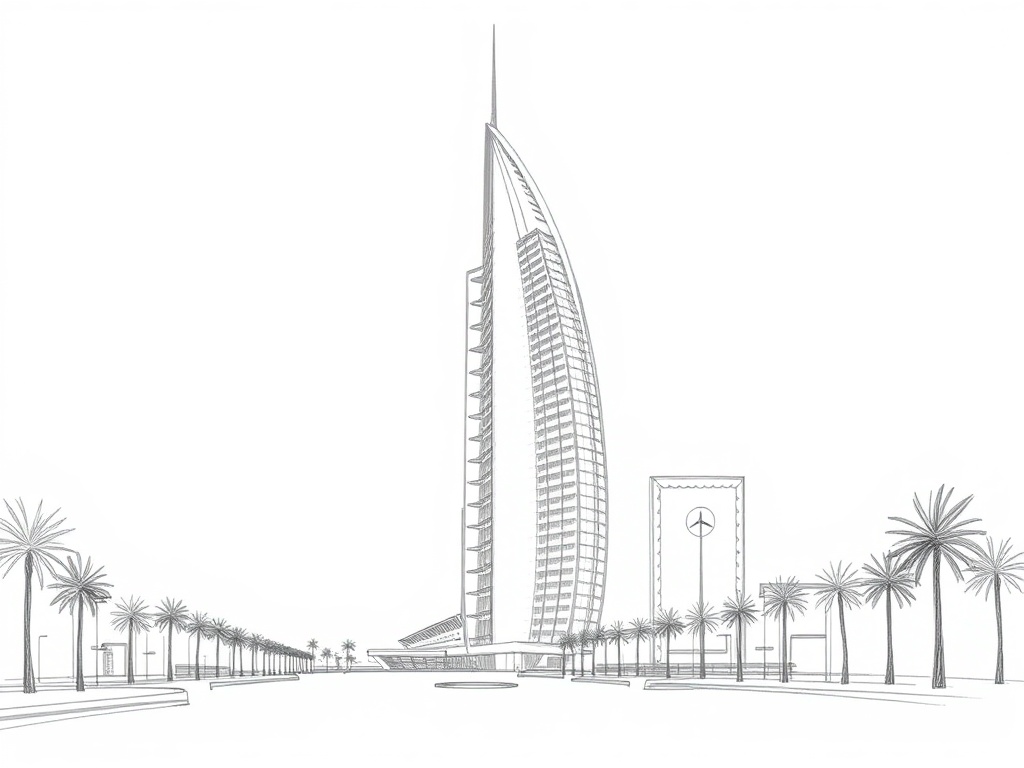
– Dress and behave respectfully: Dubai is cosmopolitan but rooted in cultural norms—dress modestly in public spaces and follow local etiquette.
– Explore beyond the skyline: Visit historic neighborhoods, waterfront promenades, and nature-focused experiences such as desert conservation areas.
Sustainability and stewardship as a lifestyle
Residents and businesses are embracing sustainability in everyday choices—energy-efficient appliances, waste segregation, and greener commuting habits are gaining traction. Community-driven initiatives such as urban farming, coastal cleanups, and educational programs help embed environmental stewardship into city life.
Why Dubai matters now
The city’s rapid modernization is matched by a commitment to future-proofing. By coupling infrastructure investment with cleaner technologies and cultural investment, Dubai aims to remain competitive while improving livability for residents and quality of experience for visitors. Whether you’re planning a trip, scouting for business opportunities, or watching global urban trends, Dubai offers a compelling case study in how ambition, innovation, and sustainability can be woven into the fabric of a modern city.