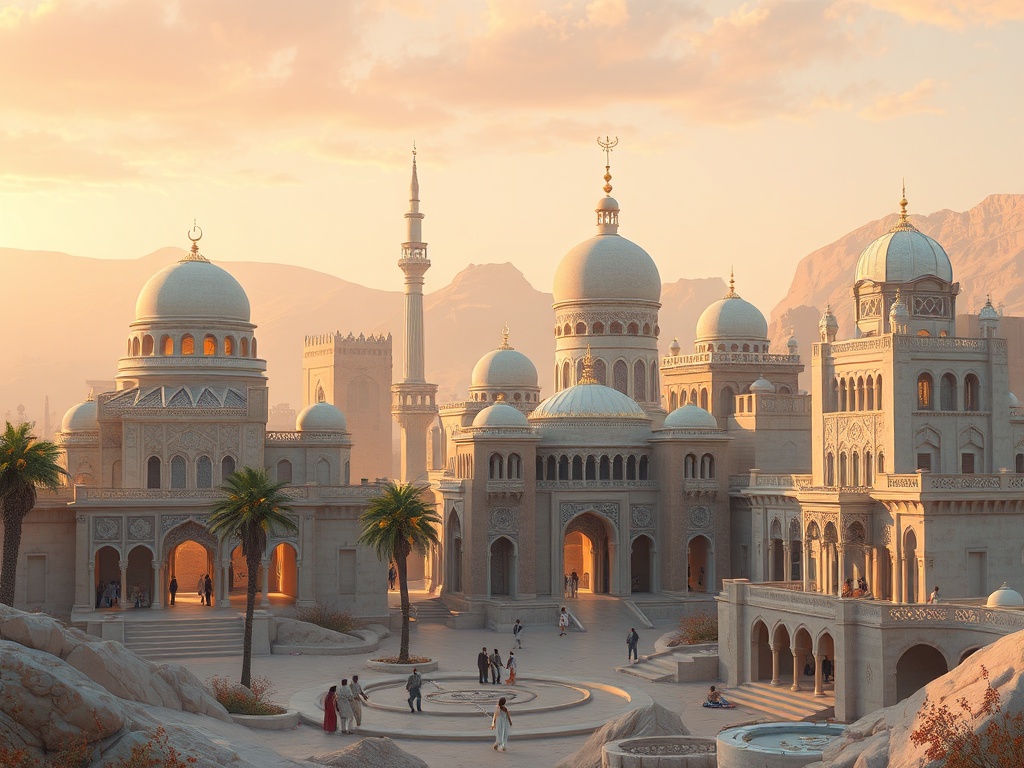
Middle East hotels are redefining what travel looks like by blending traditional hospitality with modern expectations. Whether seeking desert luxury, coastal resorts, or urban boutique stays, travelers find properties emphasizing sustainability, seamless technology, and culturally aware services that cater to both leisure and business guests.
Sustainable luxury that still feels indulgent
Expectations around environmental responsibility are shaping hospitality across the region. Properties are moving beyond token gestures to integrate water-saving systems, renewable energy sources, and waste-reduction programs without sacrificing comfort. Many hotels highlight locally sourced food, native landscaping that reduces irrigation needs, and refurbished heritage buildings that preserve cultural character. Look for sustainability certifications and transparent reporting on energy and water performance when choosing a stay.
Seamless tech and elevated guest convenience
Contactless check-in, mobile room keys, and in-room automation are now common, making stays smoother and safer. Hotels increasingly offer concierge services through hotel apps, streamlined payments, and smart-room controls for lighting and temperature.
Business travelers benefit from enhanced meeting technology and reliable high-speed internet, while leisure guests enjoy integrated entertainment and local experience bookings through the property’s digital channels. Prioritize hotels that invest in secure, user-friendly platforms over flashy but unreliable tech.
Halal-conscious amenities and wellness-first stays
Halal-friendly hospitality has grown in sophistication, with food and beverage offerings that observe halal standards alongside premium dining experiences. Properties often provide private swimming hours, gender-segregated spa options, and prayer facilities to accommodate cultural needs.
Wellness extends beyond religion to encompass holistic health: wellness menus, on-site nutritionists, meditation and yoga sessions, and sleep-optimized rooms are becoming defining features for health-minded guests.
Design rooted in place, storytelling through experiences
Designers are weaving local art, craftsmanship, and architectural motifs into hotel interiors to create a sense of place. From boutique riads to contemporary high-rises, guests appreciate authenticity—guided cultural tours, culinary workshops, and artisan collaborations help travelers connect with local communities. Hotels that partner with nearby artists and heritage projects often offer richer, more memorable stays while supporting the local economy.
Business travel, meetings, and the rise of bleisure
Meeting and events spaces are evolving to be multi-functional: flexible ballrooms convert into co-working hubs, and curated F&B packages support hybrid conferences. The blend of business and leisure—bleisure—drives demand for hotels that offer easy access to local attractions and extended-stay amenities like kitchenettes and laundry services. Properties near major airports and business districts that also provide recreational programming capture this dual-purpose market.
How to choose the right hotel
– Check sustainability credentials and read recent guest reviews for consistency.
– Verify digital services: mobile check-in, reliable Wi‑Fi, and secure payment options.
– Confirm halal-friendly or wellness services if that’s important to your trip.
– Prioritize properties that showcase local culture and offer curated experiences.
– Look for flexible booking and clear cancellation policies to protect your plans.
Middle East hotels are balancing heritage with innovation to meet evolving traveler preferences. By selecting properties that align with personal values—whether sustainability, cultural immersion, or wellness—you’ll get more than a room: you’ll experience a thoughtfully designed stay that reflects the region’s unique blend of tradition and modern hospitality.