Middle East hotels are redefining luxury and practicality by blending sustainability, technology, and authentic local experiences to meet evolving traveler expectations. From coastal resorts to urban skyscrapers, properties are prioritizing resource efficiency, wellness, and culturally sensitive services while delivering high-end comfort.
Sustainability as a selling point
Water scarcity and energy demand are real concerns across the region, so hotels are turning sustainability into a competitive advantage. Measures like smart metering, greywater recycling, low-flow fixtures, and drought-resistant landscaping reduce consumption without compromising guest comfort. Solar photovoltaics, rooftop thermal systems, and district cooling are increasingly common — helping lower operating costs and appeal to eco-aware guests. Certifications and green building standards are used to communicate those commitments clearly to travelers who factor environmental responsibility into booking decisions.
Technology that enhances service, not replaces it
Hospitality tech in the Middle East is focused on making stays seamless and personalized. Mobile check-in, digital room keys, in-room tablets, and integrated property apps enable contactless convenience and faster service.
Back-of-house systems are also evolving: cloud-based property management, revenue optimization tools, and guest analytics help hotels anticipate preferences and tailor offers. Smart-room features such as automated climate control and adaptive lighting balance comfort with energy efficiency. The most successful hotels use technology to enhance human-led service rather than replace it, maintaining the warm hospitality that defines the region.
Wellness, halal-friendly offerings, and cultural authenticity
Wellness travel remains a key driver, with spas, fitness centers, and wellbeing programming integrated into the guest experience.
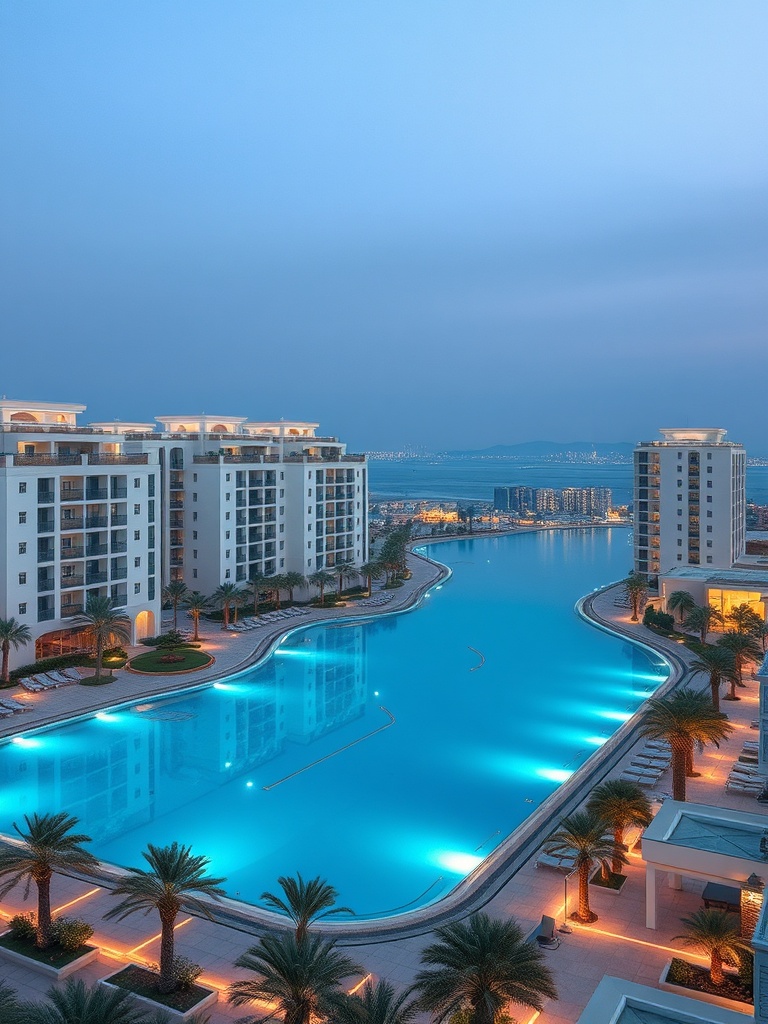
Many properties combine traditional therapies and locally inspired wellness rituals to appeal to both international visitors and regional guests. Halal-friendly amenities — from prayer facilities and alcohol-free dining options to private family pools and gender-segregated spa hours — are standard in many markets, broadening the appeal to Muslim travelers seeking respectful, comfortable stays.
Experiential and longer-stay trends
Travelers increasingly want immersive experiences. Hotels are partnering with local artisans, chefs, and cultural institutions to offer curated excursions, culinary workshops, and heritage tours.
At the same time, demand for flexible stays has led to more day-use rooms, long-stay suites with kitchenettes, and co-working spaces aimed at business travelers and remote workers. Combining work-friendly amenities with leisure touches creates strong appeal for the “bleisure” market.
Design and luxury with a local heartbeat
Design trends favor locally inspired aesthetics—modern interiors that reference regional materials, patterns, and craftsmanship.
Luxury operators balance global standards with authentic touches: bespoke furniture, regionally sourced art, and menus that showcase local produce and flavors. This approach elevates guest experience while supporting local economies and cultural preservation.
Operational resilience and workforce focus
Hotels are investing in staff training and wellbeing to maintain high service quality. Upskilling initiatives, career development, and improved labor practices help retain talent in a competitive market. Operational resilience—through diversified supply chains, flexible pricing, and contingency planning—keeps properties prepared for market fluctuations and regional dynamics.
Key trends shaping Middle East hotels today:
– Resource efficiency and renewable energy adoption
– Seamless mobile and in-room technology
– Wellness and halal-compliant services
– Authentic, locally driven guest experiences
– Flexible stay options for longer visits and remote work
Hotels that combine sustainability, thoughtful technology, and culturally resonant service are well positioned to attract discerning travelers.
By focusing on resource stewardship and genuine guest experiences, the region’s hospitality sector can deliver memorable stays that respect both people and place.