Luxury, sustainability and local culture are reshaping the hotel landscape across the Middle East.
From coastal resorts to city skyscrapers and restored heritage houses, properties are evolving to meet higher expectations for comfort, authenticity and responsible travel. Travelers now expect more than plush bedding and spa menus — they want immersive experiences, tech convenience and clear sustainability credentials.
What’s driving change
Urban redevelopment and major tourism initiatives continue to attract global brands and independent operators alike.
Destination marketing, improved air connectivity and a growing segment of long-stay and remote-work visitors have pushed hotels to diversify their offerings. Operators are balancing the region’s appetite for luxury with demand for more authentic, boutique stays that highlight local crafts, cuisine and architecture.
Sustainability as a standard
Sustainability has shifted from a marketing line to an operational priority. Hotels are investing in energy-efficient systems, water recycling and native landscaping that reduces irrigation needs. Many properties seek recognized green-building certifications and publicize measurable reductions in energy and waste.
Guests increasingly choose hotels that demonstrate real environmental stewardship, from solar power and low-flow fixtures to locally sourced F&B and single-use plastic elimination.
Technology and seamless service
Contactless check-in, mobile room keys and smart-room controls are common expectations. Behind the scenes, revenue management systems and personalized CRM platforms allow hotels to craft tailored offers that improve guest retention. High-speed internet and functional workspaces are now baseline for business and long-stay guests, while digital concierges and messaging services enhance convenience without replacing human hospitality.
Experience-led design
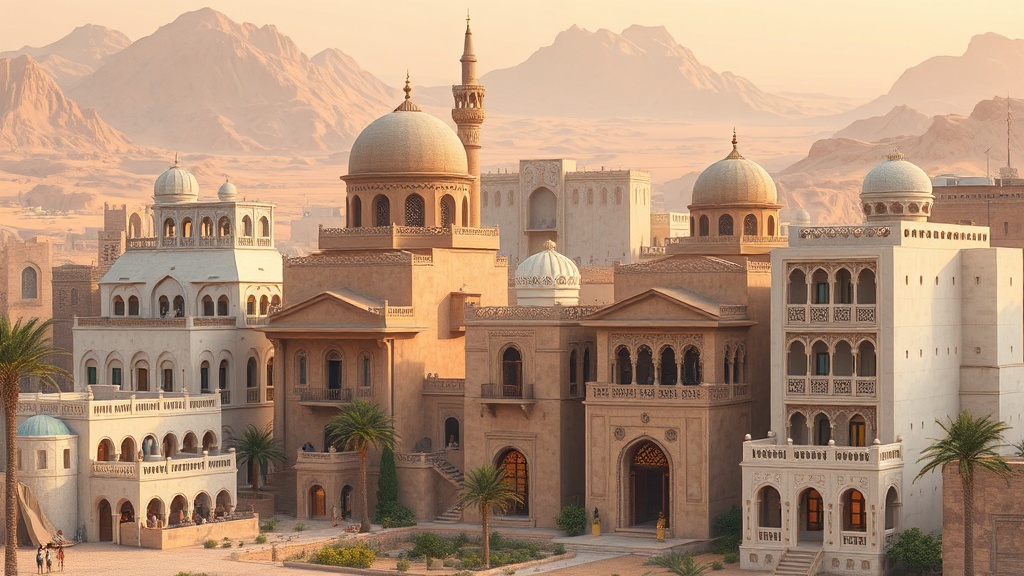
Design trends favor storytelling: renovated palaces, converted merchants’ houses and boutique properties that celebrate regional history are becoming travel magnets. Culinary programs emphasize local flavors and seasonal produce, often via partnerships with acclaimed local chefs.
Wellness is evolving beyond spas to include holistic programming — from desert yoga and marine conservation excursions to nutrition-led dining plans.
Halal-friendly and inclusive services
A growing focus on halal-friendly offerings, private family facilities and inclusive amenities ensures more travelers feel welcome.
Hotels are refining food labeling, prayer-friendly spaces and family-oriented entertainment while also maintaining high standards of international service for diverse guests.
Market opportunities for operators
Middle East hotels are exploring segmentation: ultra-luxury urban flagship hotels, lifestyle brands targeting younger travelers, resort villas aimed at high-net-worth families, and midscale properties for growing domestic tourism. Partnerships with airlines, tourism boards and local entrepreneurs help create integrated destination experiences that extend guest stays and increase spend per visit.
Practical tips for travelers
– Book direct for the best flexibility, upgrade offers and loyalty benefits.
– Check sustainability and accessibility credentials if those factors matter to you.
– Look for properties offering work-friendly rooms and reliable internet for longer stays.
– Prioritize hotel location relative to attractions and transit, not just star ratings.
– Read recent reviews for service consistency and seasonal considerations.
What to watch
Expect continued investment in unique, design-forward properties and wellness-led resorts, along with stronger emphasis on measurable sustainability. As hospitality adapts to new guest priorities, the Middle East’s mix of urban dynamism and natural landscapes makes it a fertile ground for both bold luxury and thoughtful, locally rooted hotel experiences.
Whether seeking ultra-luxury, cultural immersion or an eco-conscious escape, travelers can find a growing range of hotel choices that reflect modern expectations while honoring regional heritage.