Saudi Arabia is navigating a rapid transformation that’s reshaping its global profile — from a resource-driven economy to a diversified hub for tourism, technology, and renewable energy. This shift is creating fresh opportunities for visitors, investors, and cultural exchange while preserving the kingdom’s deep historical roots.
Economic transformation and new sectors
A strategic push toward economic diversification is expanding sectors beyond hydrocarbons. Major investments are flowing into tourism, entertainment, logistics, and high-tech urban developments. Large-scale projects aim to create integrated cities and smart destinations that attract international businesses and talent. Renewable energy is another growth engine, with ambitious solar and wind initiatives positioning the country as a regional clean-energy leader and a partner for global sustainability plans.
Tourism and cultural opening
Tourism has become a headline draw. Historic sites, UNESCO-listed heritage areas, and restored cultural districts are now complemented by luxury resorts and desert experiences that cater to a broad range of tastes.
Landmark archaeological sites and ancient trade-route cities provide context for immersive cultural itineraries, while contemporary museums, galleries, and festivals showcase a vibrant artistic scene.
Entertainment and sporting events
A deliberate expansion of entertainment offerings has introduced international concerts, film festivals, and major sporting events.
These experiences are part of a broader effort to build a year-round calendar that welcomes global audiences and enhances local leisure industries. The result is a more diverse cultural calendar with increasing opportunities for visitors and performers alike.
Urban development and smart cities
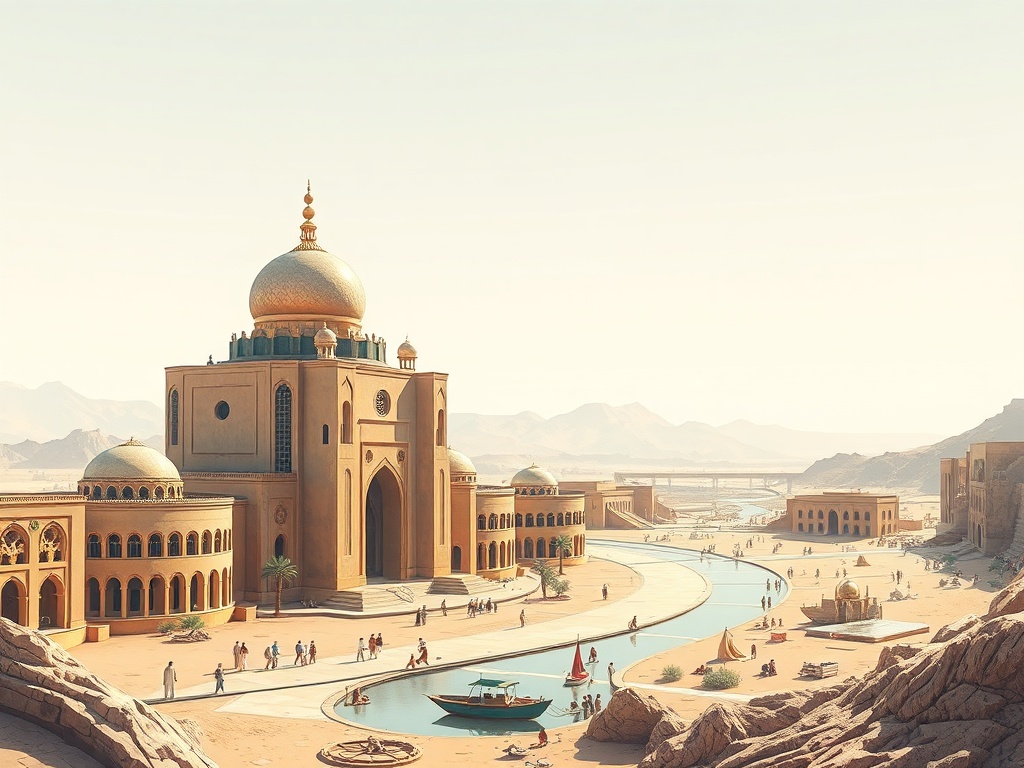
Ambitious urban projects emphasize sustainability, connectivity, and innovation.
New districts are being planned as mixed-use destinations with green spaces, smart infrastructure, and integrated transport. These developments aim to attract global companies and create modern living standards while experimenting with cutting-edge technologies in architecture, mobility, and energy management.
Social and workforce shifts
Social reforms and policy changes have expanded participation in the workforce and public life, especially for women and young professionals. Education and training programs are being prioritized to build human capital aligned with new industries. The private sector is evolving to absorb newly skilled workers, fueling entrepreneurship and startup activity across technology, services, and creative industries.
Practical tips for travelers and investors
– Cultural etiquette: Respect for local customs remains important. Dress conservatively in public spaces, be mindful during religious observances, and use polite greetings.
– Entry and logistics: Tourist infrastructure is improving with new hotels, connective flights, and regional transport upgrades, making multi-city itineraries increasingly feasible.
– Investment climate: Regulatory reforms and incentives aim to streamline business setup, but due diligence and local partnerships remain valuable for navigating official processes.
– Safety and accessibility: Major cities and tourist districts offer modern amenities and enhanced security; always check local guidance for regional travel.
Why it matters
Saudi Arabia’s transformation matters because it creates a bridge between tradition and modernity. Visitors can experience ancient heritage alongside futuristic architecture, while businesses can tap emerging markets and infrastructure.
For anyone tracking regional dynamics, the kingdom’s policy shifts and investment priorities offer a case study in rapid economic repositioning.
Whether planning a visit, exploring investment options, or simply following cultural developments, Saudi Arabia’s evolving landscape offers a compelling mix of history, innovation, and opportunity.