Middle East hotels are redefining what hospitality means, blending bold luxury with authenticity, sustainability, and tech-forward convenience. Travelers now expect more than a plush bed and grand lobby — they want culturally rich experiences, wellness offerings, and environmentally responsible practices. Hoteliers are responding by reimagining spaces, services, and guest journeys to meet evolving expectations.
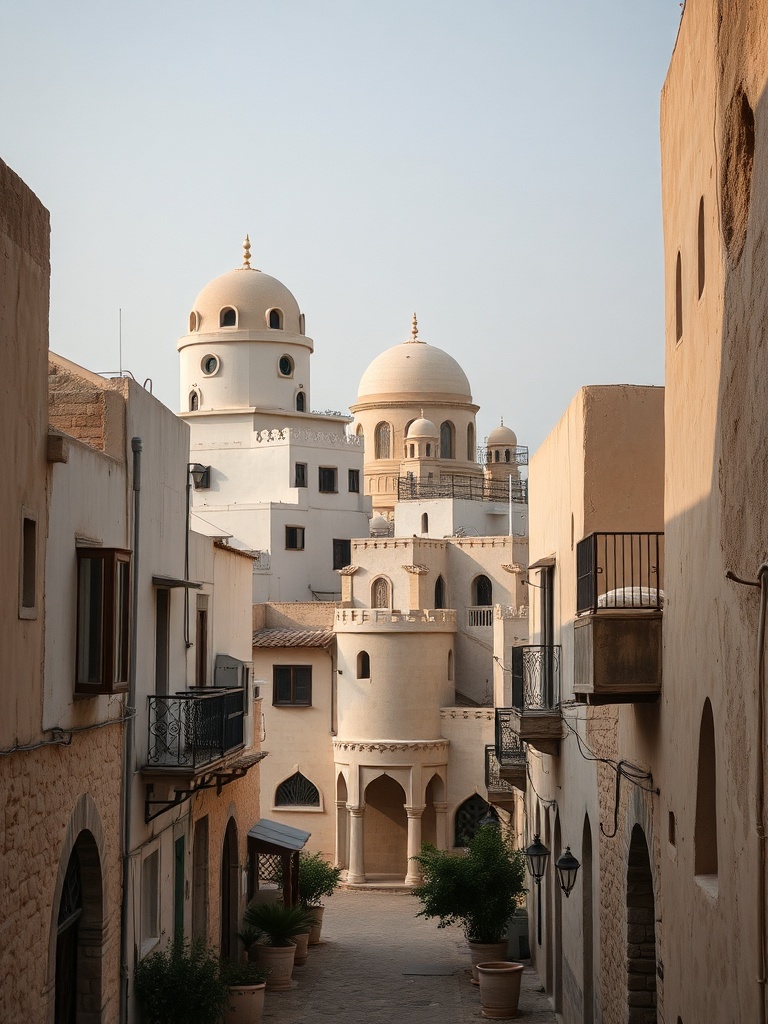
Design and heritage: Adaptive reuse is a major draw. Historic buildings, desert forts, and old town mansions are being restored into boutique properties that showcase local craftsmanship and narrative-driven design. These hotels offer immersive stays where architecture, textiles, and curated artifacts tell a place-based story, appealing to culture-seeking travelers who value authenticity over generic opulence.
Sustainable operations: Sustainability has moved from optional to essential.
Leading properties are reducing water use with advanced fixtures, recycling greywater for landscaping, and investing in renewable energy sources like solar arrays. Food waste management and partnerships with local farmers are becoming standard, allowing hotels to feature seasonal menus that reduce supply chain emissions while spotlighting regional flavors.
Culinary tourism: Gastronomy is a major reason travelers choose one hotel over another.
Many hotels collaborate with celebrated local chefs and food artisans to create destination dining that blends traditional recipes with contemporary techniques. Rooftop dining, immersive market-to-table experiences, and cooking classes with local cooks are enticing guests who want to take home more than photos — they want taste memories.
Wellness and wellbeing: Wellness is increasingly integrated into the entire hospitality experience. Beyond spas, hotels are offering personalized wellness programs that include sleep consultations, nutrition coaching, mindfulness sessions, and movement classes tailored to the environment — whether beachfront yoga or desert sunrise hikes. Recovery-focused amenities like infrared saunas and cold immersion are appearing alongside more familiar spa treatments.
Tech and personalization: Contactless check-in, mobile room keys, and digital concierges are now commonplace, but the real leap is in personalization. Hotels use guest preference data to customize room settings, dining suggestions, and curated local itineraries. Voice-controlled room systems and in-room wellness kits are part of a frictionless stay that still prioritizes human service as a differentiator.
Business and bleisure: With business travelers blending work and leisure, hotels are expanding flexible spaces that double as co-working and social hubs. High-speed connectivity, private meeting pods, and on-demand office services let guests maintain productivity while exploring local culture. Loyalty programs are adapting to reward experiential benefits such as culinary workshops or guided tours rather than only free nights.
Accessibility and inclusivity: Hotels are designing with inclusivity in mind — providing accessible rooms, sensory-friendly options, and staff training on cultural competence. Halal-conscious services, private family spaces, and gender-sensitive wellness hours are examples of how properties cater to diverse guest needs while maintaining broad appeal.
Local partnerships and community impact: Strong community ties build authentic experiences and goodwill. Hotels partnering with local artisans, conservation groups, and social enterprises create economic opportunities and ensure that tourism benefits extend beyond property walls.
These collaborations also enrich guest offerings, from craft workshops to conservation-focused excursions.
What travelers should look for: prioritize properties that demonstrate transparent sustainability practices, emphasize local culture through design and food, and offer genuine personalization without sacrificing privacy. For operators, investing in staff training, sustainable infrastructure, and meaningful local partnerships yields long-term value and guest loyalty.
Middle East hotels are evolving beyond destination points to become narratives of place — combining heritage, sustainability, and modern comfort to deliver stays that resonate long after the checkout.