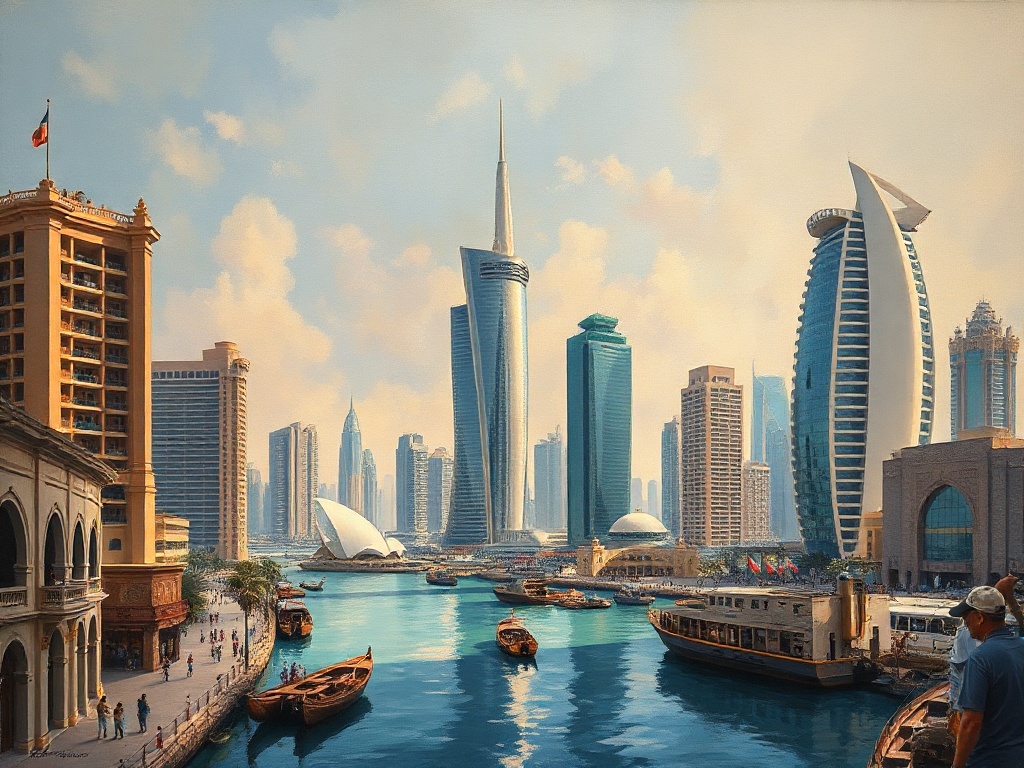
Dubai is reinventing the idea of luxury by blending bold architecture, world-class experiences, and a growing commitment to sustainability. For travelers, investors, and residents alike, the city now offers a mix of iconic skylines and green innovations that make it a model of modern, livable urbanism.
Sustainable luxury that feels effortless
High-end hospitality here is increasingly defined by low environmental impact. International hotels and local boutique properties advertise green certifications, rooftop solar, and water-saving systems alongside spa treatments and private beaches. Many luxury developments now highlight energy-efficient glazing, smart building controls, and waste reduction programs — letting guests enjoy premium service without the heavy footprint that once defined opulence.
Visible clean-energy investments
Dubai’s renewable-energy initiatives are visible across the emirate: utility-scale solar arrays, distributed rooftop installations, and large-scale storage projects are powering neighborhoods and commercial hubs. These projects feed into smart-grid upgrades that stabilize supply while allowing more rooftop and community solar to connect. For visitors interested in behind-the-scenes infrastructure, guided tours and visitor centers at major solar parks show how the city is balancing growth with cleaner power sources.
Neighborhoods built for active living
Walkable districts, protected waterfront promenades, and an expanding public-transport network make it easier to reduce car reliance. The Dubai Metro and tram systems offer fast, air-conditioned alternatives to taxis for many popular routes, while dedicated cycling tracks and pedestrian-friendly public spaces encourage short trips by foot or bike. New residential communities are adopting car-free plazas, on-site recycling, and urban farms — combining convenience with a greener lifestyle.
A thriving culture scene with local flavor
Beyond the skyline, Dubai’s arts and design districts are evolving into cultural clusters that showcase local creators and global talent.
Galleries, festivals, and public art installations are concentrated in accessible neighborhoods, creating a cultural circuit that’s easy to explore on foot or via public transit. Culinary experiences are also shifting toward local sourcing and sustainable seafood, offering food lovers ethical options without sacrificing flavor.
Smart-city essentials that matter to visitors
Smart street lighting, real-time transit apps, and contactless payment for public services make urban navigation simple and efficient.
For travelers, the practical benefits are immediate: less time in transit, smoother connections between attractions, and easy access to information about green-certified hotels and eco-friendly activities.
What to experience and how to plan
– Visit a solar park or sustainability-focused development to see large-scale clean energy in action.
– Stay in a hotel with green certification or transparent sustainability reporting.
– Use public transit where possible — it’s effective for reaching most major attractions.
– Explore creative neighborhoods for independent galleries, artisanal dining, and local markets.
– Book outdoor activities (desert cycling, coastal walks, mangrove kayaking) during cooler parts of the day to maximize comfort.
Why it matters
Dubai’s approach demonstrates that rapid urban growth and environmental stewardship can coexist when planners prioritize efficiency, smart infrastructure, and livable public spaces. For anyone considering travel or investment, a balance of convenience, culture, and sustainability makes Dubai a compelling choice that reflects broader trends shaping modern global cities.