Saudi Arabia is reshaping its global image, blending deep-rooted traditions with ambitious economic and cultural change.
The country’s landscape is no longer defined solely by oil fields and desert; it’s becoming a destination for travelers, investors, and creatives drawn to its unfolding mix of heritage, innovation, and hospitality.
Tourism is one of the most visible shifts.
New visa policies and expanded international flight connections have made historic sites and natural wonders more accessible.
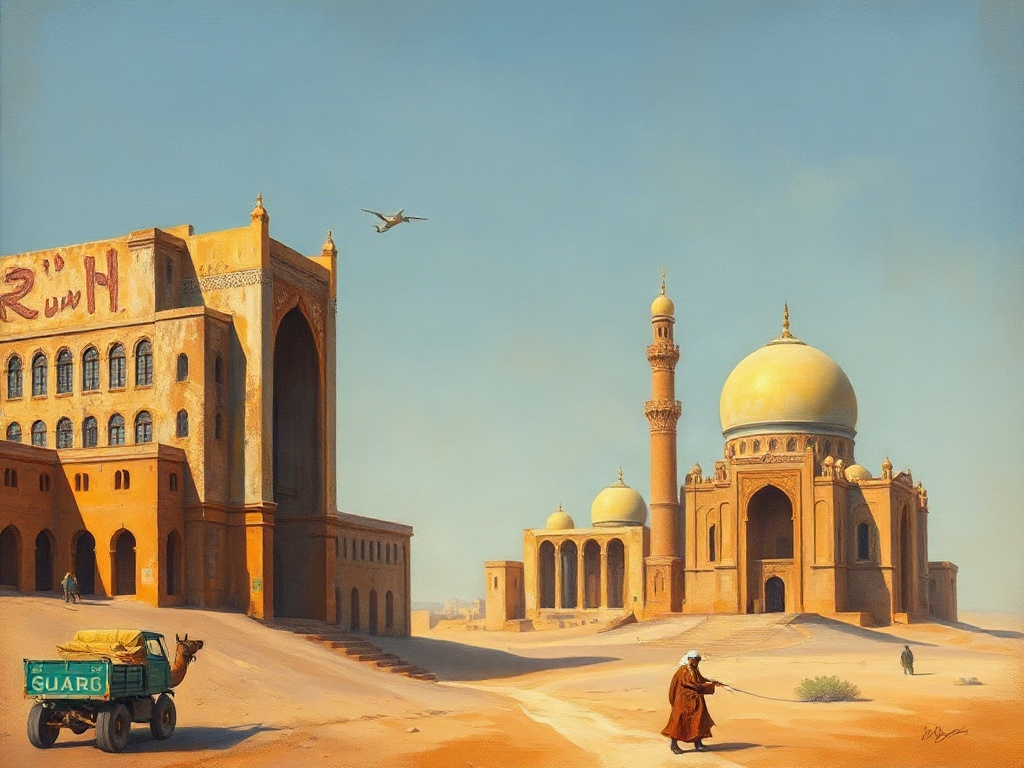
Coastal retreats along the Red Sea offer pristine coral reefs and luxury resorts focused on sustainability, while rock-cut tombs and desert oases reveal millennia of human history. Cultural destinations that were once off-limits are opening their doors, with curated archaeological sites and restored old towns providing immersive experiences for visitors seeking authenticity.
Urban transformation is another key theme.
Major cities are investing in smart infrastructure, public spaces, and entertainment districts that reflect modern lifestyles while honoring local aesthetics. Concerts, art exhibitions, film festivals, and sporting events that attract international talent now appear alongside traditional markets and family-focused leisure offerings. This growing cultural ecosystem creates opportunities for local entrepreneurs, creative industries, and international partnerships.
Economic diversification remains a central priority. The government and public investment funds are channeling capital into sectors such as tourism, renewable energy, technology, and logistics to broaden revenue streams and create jobs.
Renewable energy projects leverage vast solar and wind resources, and large-scale initiatives aim to integrate sustainability across new developments. These moves are attracting global investors looking for long-term growth stories tied to infrastructure and innovation.
Real estate and hospitality are booming in select regions.
Developers are focusing on mixed-use communities that combine residential, leisure, and commercial spaces, often with an emphasis on walkability and green space. Luxury and boutique hotels coexist with more budget-conscious options to appeal to a wider range of visitors. For travelers planning a visit, booking ahead for popular cultural events and exploring less-traveled regions can lead to more authentic experiences and better value.
Social changes are reshaping daily life and workforce dynamics.
Expanded opportunities for women, increasing female participation in the labor market, and new educational initiatives are broadening talent pools. These shifts are encouraging more diverse leadership across industries and fostering a more inclusive climate for business and culture.
Cultural preservation remains a priority alongside modernization.
Investments in museums, conservation projects, and community-driven cultural programming aim to protect archaeological sites and intangible heritage. Local artisans and traditional crafts are being highlighted in markets and boutique outlets, ensuring that modern growth respects and showcases cultural identity.
For investors and visitors alike, practical considerations matter. Navigating regulatory frameworks, understanding local business practices, and partnering with regional specialists can smooth entry into the market. Travelers should respect cultural norms and explore both major attractions and off-the-beaten-path locales for a fuller picture of the country’s diversity.
Saudi Arabia’s evolving story is a study in contrasts: ancient landscapes and high-tech cities, traditional hospitality and global entertainment, fossil-fuel wealth and renewable-energy ambitions.
The nation invites curiosity and participation—whether through a coastal dive trip, a visit to a historic valley, or a conversation about the future of sustainable cities. Expect a country that balances respect for heritage with bold plans for what comes next.