Saudi Arabia’s rapid transformation: tourism, culture, and clean energy
Saudi Arabia is undergoing a visible transformation that’s reshaping its economy, public life, and global image. Driven by a broad national push to diversify beyond oil, the country is expanding tourism, investing in renewable energy, and revitalizing cultural heritage—creating new opportunities for businesses, travelers, and talent.
What’s changing on the ground
Tourism infrastructure has accelerated: international access is easier, coastal resorts and desert experiences are being developed, and historic sites are being restored with care. Major coastal destinations promote luxury eco-tourism and diving, while desert projects combine adventure with sustainable hospitality. Cities such as Riyadh and Jeddah are adding cultural venues, museums, and lifestyle amenities that attract regional and international visitors.
Cultural revival and heritage preservation
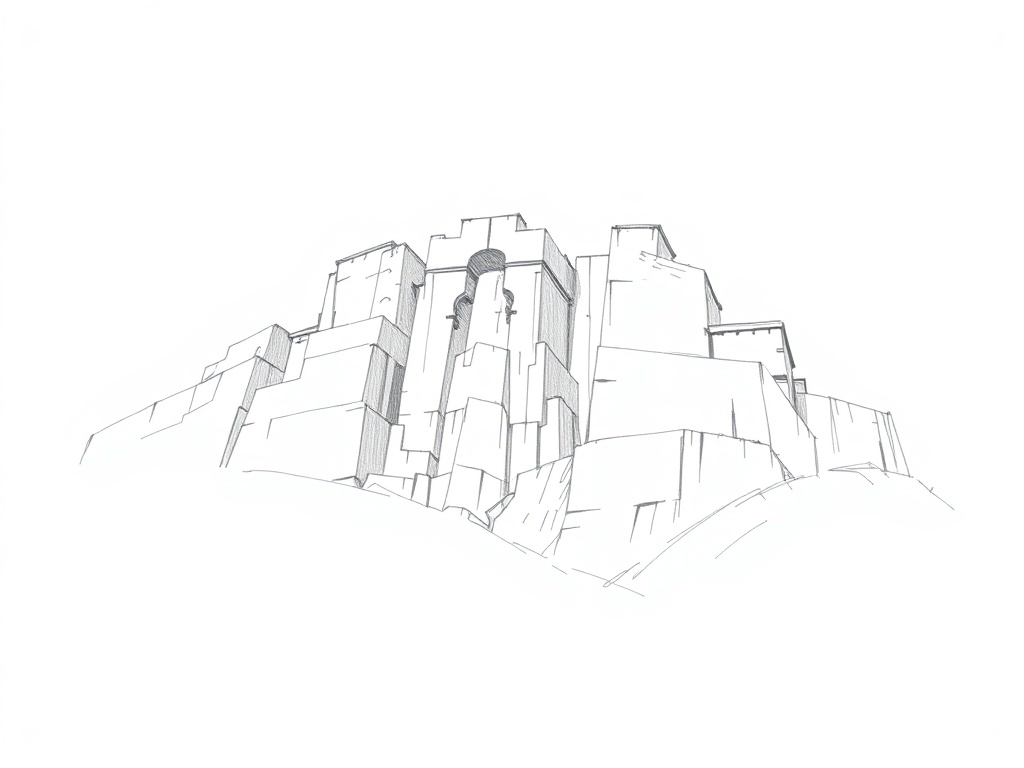
Efforts to preserve and promote heritage are visible across the kingdom. Historic districts are being conserved and reimagined as lively cultural hubs with galleries, traditional markets, and performances. Restoration projects emphasize authenticity—local artisans, crafts, and food traditions are central to the visitor experience. These initiatives offer unique selling points for travel brands and cultural tourism operators.
Mega-projects and smart cities
Ambitious urban projects are presenting new models for city design, focusing on walkability, reduced car dependence, and integration of nature with urban living.
Some developments prioritize renewable energy, water efficiency, and smart mobility solutions—appealing to investors looking for next-generation infrastructure opportunities.
While large-scale projects attract headlines, smaller regional developments are also important, creating jobs and stimulating local economies.
Renewable energy and sustainability
A national push to diversify energy sources is supporting wind, solar, and other clean technologies. Large solar parks and offshore wind initiatives are part of a broader strategy to decarbonize power generation and support industrial growth while reducing dependence on fossil fuels for domestic electricity. This shift opens opportunities for international technology partners, developers of storage solutions, and companies focused on grid modernization and green hydrogen.
Economic and social shifts
Economic diversification is driving growth across hospitality, entertainment, creative industries, and fintech. Policy reforms have created more flexible business environments, attracting foreign direct investment and encouraging startups. Social changes are expanding workforce participation, especially in sectors like retail, hospitality, and professional services. For companies and recruiters, this means new talent pools and consumer segments to engage.
What this means for visitors and businesses
– Travelers can expect more diverse offerings: urban culture, desert adventures, marine conservation experiences, and high-end resorts.
– Hospitality operators can leverage growing demand for authentic cultural experiences and sustainability credentials.
– Investors and developers should focus on projects that align with sustainability, local community engagement, and long-term viability.
– Tech and clean-energy firms will find demand for innovative solutions in grids, storage, and low-carbon fuels.
Practical tips for engaging
– Highlight sustainability and cultural authenticity in marketing.
– Partner with local artisans and communities to create distinctive experiences.
– Monitor regulatory updates and local partnerships to navigate licensing and permits.
– Emphasize mobile-first, English- and Arabic-friendly customer journeys for visitors.
Saudi Arabia’s evolution presents a blend of traditional culture and modern ambition. For travelers seeking unique experiences, businesses targeting new markets, and investors chasing sustainable infrastructure, the kingdom’s changing landscape offers a range of possibilities worth exploring.