Saudi Arabia is reshaping its global image, turning long-held perceptions into fresh opportunities for tourism, investment, and cultural exchange.
A broad national transformation program is driving change across infrastructure, entertainment, and sustainability, while bold development projects and regulatory reforms are attracting visitors and investors from around the world.
Tourism and hospitality have seen a major push. New visa policies and streamlined e-visa systems make it easier for travelers to explore sacred sites, desert landscapes, and modern cities. Coastal luxury resorts along the Red Sea, desert eco-retreats, and restored historical areas like Diriyah provide diverse experiences, from wellness and adventure to heritage tours. The hospitality sector is expanding rapidly, with international hotel brands and boutique operators competing to deliver high-end and culturally authentic stays.
Mega-projects are a defining feature of the transformation. Ambitious developments—positioned as hubs for innovation, luxury tourism, and new urban living—are drawing attention for their scale and vision.
These projects emphasize walkable cities, renewable energy integration, and mixed-use neighborhoods that combine residential, commercial, and cultural spaces.
Investment flows from public and private funds are fueling construction, technology deployment, and tourism infrastructure, while incentives aim to make the business environment more competitive.
Cultural and entertainment reforms have created a more vibrant public sphere.
Cinemas, concerts, festivals, and sporting events are now part of a growing calendar of attractions that draw international artists and athletes.
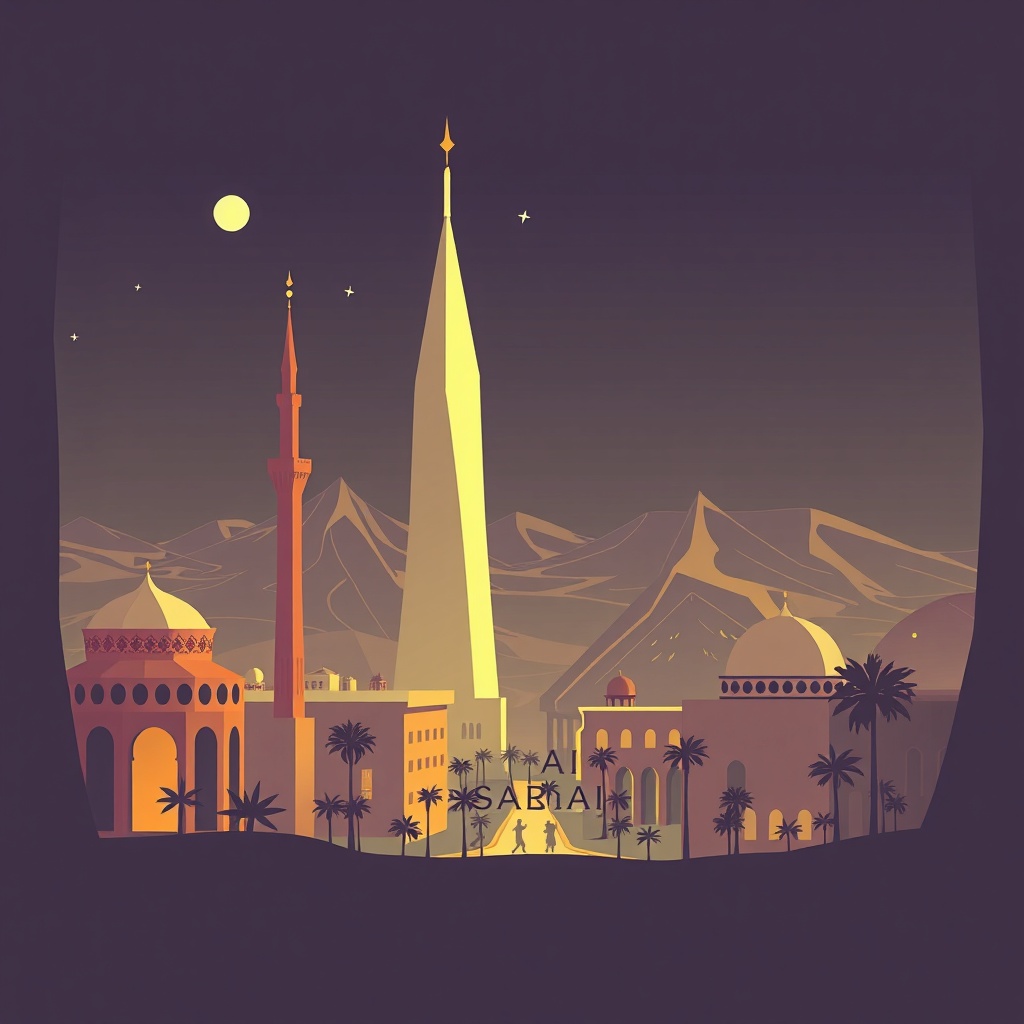
Cultural heritage is being promoted through museums, restored historic districts, and arts initiatives that celebrate both local traditions and contemporary expression. This cultural opening supports job creation in creative industries and complements the tourism strategy.
Sports diplomacy is another high-profile area.
Major international sporting events, motorsports, golf tournaments, and emerging leagues are being hosted with modern stadiums and world-class logistics. These events boost tourism, spur infrastructure upgrades, and create global visibility. They’re also part of a broader strategy to diversify the economy beyond traditional energy sectors.
Energy transition and sustainability are priorities within the national agenda. Large-scale renewable energy projects, investments in solar and wind capacity, and initiatives to reduce carbon intensity reflect a commitment to cleaner power and resilient infrastructure. Coastal conservation projects and sustainable tourism principles are increasingly integrated into luxury developments to preserve fragile ecosystems while promoting responsible visitor experiences.
Technology and smart-city solutions are being applied to transportation, urban planning, and pilgrimage management. Digital services streamline travel, public transport is being enhanced, and crowd-management platforms improve the safety and efficiency of major religious gatherings. Fintech innovations and regulatory reforms are encouraging startup growth and foreign capital participation, contributing to a more diversified economic landscape.
Opportunities for entrepreneurs and foreign investors are expanding across sectors such as hospitality, renewable energy, entertainment, logistics, and healthcare. Incentives, special economic zones, and public-private partnerships aim to reduce barriers and accelerate project timelines. For travelers and investors alike, the country presents a blend of heritage-rich experiences and modern amenities.
Visitors planning a trip should research entry requirements, seasonality, and local customs to make the most of their stay. Those considering business or investment should evaluate sector-specific regulations and connect with local partners experienced in navigating the evolving market.
As the country moves forward with targeted reforms and landmark projects, it remains a region to watch for transformative tourism experiences, strategic investments, and cultural exchange opportunities.