Middle East hotels are redefining luxury and authenticity, blending bold design, culinary creativity, and tech-forward service to meet evolving traveler expectations.
From desert resorts to urban skyscrapers, properties across the region are balancing regional character with global standards, making the area a top choice for both leisure and business travelers.
Key trends shaping Middle East hotels
– Experiential luxury: Guests are seeking immersive stays that connect them to local culture — from architecture inspired by traditional motifs to curated excursions with local artisans and historians.
– Sustainability and responsible tourism: More properties emphasize energy efficiency, water conservation, sustainable sourcing, and community partnerships. Look for hotels with credible certifications or transparent environmental programs.
– Wellness-first offerings: Spa and wellness experiences now extend beyond massages to include holistic programs, outdoor fitness, desert yoga, and tailored nutrition plans.
– Hospitality tech: Contactless check-in, mobile keys, personalized in-room controls, and guest apps are standard in many upscale hotels, improving convenience without losing human service.
– Culinary destination hotels: Rooftop bars, chef-driven restaurants, and markets within hotel complexes attract locals and travelers alike, turning hotels into dining destinations.
What travelers are looking for
– Authenticity: Visitors want genuine connections to local food, design, and traditions rather than generic “international” experiences.
– Flexibility: Bleisure travelers and remote workers value reliable Wi-Fi, flexible meeting spaces, and defined work zones in rooms or lounges.
– Safety and privacy: Discretion, robust security measures, and high hygiene standards remain important.
– Value and loyalty: Competitive rates, loyalty perks, and transparent cancellation policies influence booking decisions.
How hotels are adapting
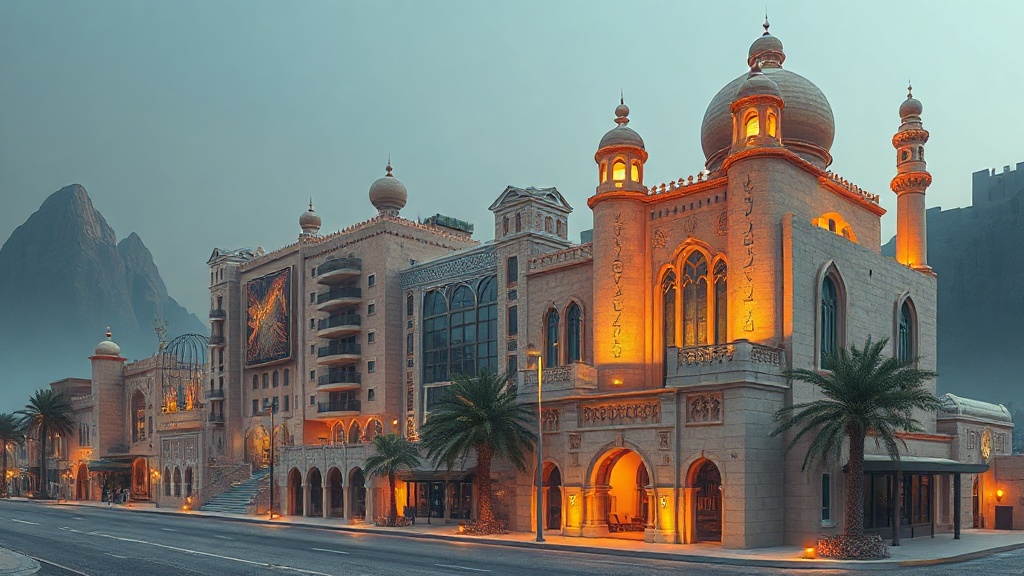
Hotels are converting historic buildings into boutique properties that preserve heritage while offering modern comforts. Large brands are investing in local collaborations — commissioning regional artists, hosting pop-up food events, and creating immersive cultural programming. In addition, many properties are rethinking public spaces to be multifunctional: breakfast venues that convert to coworking hubs by day and social lounges by night.
MICE facilities are being optimized for hybrid events with integrated AV, flexible layouts, and dedicated event concierges.
Practical tips for booking
– Prioritize location: Choose beachfront resorts for relaxation, city-center hotels for sightseeing and business, and heritage hotels for culture-rich stays.
– Check meal and prayer-time options: Properties often accommodate diverse meal schedules and provide private prayer spaces; confirm availability if this is important to your trip.
– Review sustainability credentials: If eco-practices matter to you, look for hotels that publish annual sustainability reports or hold industry certifications.
– Use loyalty benefits smartly: Direct booking often unlocks advantages like free nights, upgrades, or dining credits — compare offers across channels.
– Consider seasonality and events: Rates and availability can change around major local events; flexible dates often yield better deals.
Choosing the right hotel in the Middle East means balancing modern conveniences with cultural authenticity. Whether you’re after serene desert seclusion, a city-center base for business and nightlife, or a boutique stay steeped in history, options are expanding with a clear focus on guest experience, sustainability, and memorable culinary offerings. Book with priorities in mind — location, amenities, and the hotel’s commitment to responsible hospitality — to make the most of your stay.