Middle East hotels are redefining hospitality, blending heritage, high-tech convenience, and sustainability to meet evolving traveler expectations. Whether seeking a rooftop pool overlooking a skyline, a secluded desert camp, or a boutique riad-style hideaway, modern properties across the region are offering curated experiences that go beyond a place to sleep.
Design and cultural authenticity
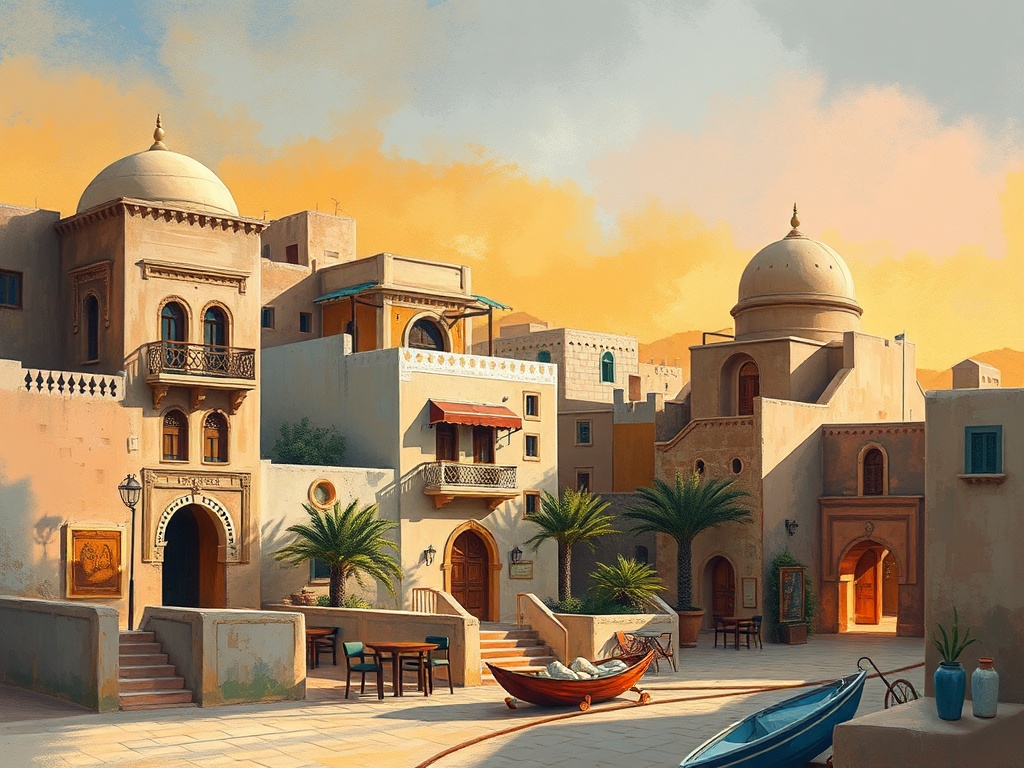
Hotels are leaning into local craftsmanship and architecture to create a strong sense of place.
Expect interiors that feature regional materials, artisanal textiles, and contemporary takes on traditional motifs. Many properties collaborate with local artists and designers to provide decor, curated art collections, and cultural programming—daytime workshops, guided market tours, and culinary demonstrations—that help guests connect with the destination.
Wellness and bespoke experiences
Wellness offerings are no longer limited to a gym and spa. Resorts and city hotels alike promote holistic programs: spa treatments inspired by regional ingredients, dedicated wellness suites, meditation and yoga sessions, and nutrition-forward dining. For travelers seeking privacy, many hotels offer villa-style accommodations with private pools and personalized butler services.
Long-stay packages tailored for remote workers are becoming common, with workspace-friendly rooms, fast Wi‑Fi, and meeting facilities.
Sustainability and responsible stays
Sustainability has become a core focus. Leading properties prioritize water conservation, energy-efficient systems, and waste reduction programs, while some desert resorts adopt low-impact architecture to preserve dunes and natural habitats. Guests can look for certifications and transparent sustainability reporting when choosing where to stay. Responsible tourism initiatives—like community partnerships and locally-sourced menus—add meaningful value for eco-conscious travelers.
Halal-friendly services and tailored hospitality
Many hotels in the region offer halal-certified dining and prayer facilities, with features such as Qibla indicators in rooms and prayer mats on request. Spa and wellness services sometimes include gender-specific hours or private sessions to accommodate cultural preferences. These tailored offerings make it easier for a wide range of guests to enjoy a comfortable, respectful stay.
Technology and contactless convenience
Contactless check-in, mobile keys, and app-driven concierge services are increasingly standard. Smart-room features—lighting and climate control via voice or app—enhance comfort, while streaming-enabled entertainment systems and fast, reliable internet support work and leisure needs. For event planners, hybrid meeting solutions with professional AV and live-streaming capabilities are commonly available.
Culinary experiences
Food is a major draw. Expect everything from Michelin-quality fine dining to authentic street-food-style eateries curated by local chef partnerships.
Many hotels highlight regional flavors through tasting menus, market-to-table dining, and chef-led culinary classes. Rooftop lounges and beachfront restaurants provide scenic backdrops for memorable meals.
Practical tips for booking
– Compare direct hotel offers vs third-party sites; direct bookings often include perks like upgrades or flexible cancellation.
– Read recent guest reviews for up-to-date insight on service and facilities.
– Decide whether you want central access to attractions or a resort-style retreat—both offer distinct advantages.
– Check transfer options; airport-to-hotel transfers and on-site parking can simplify logistics.
– Look for loyalty benefits if you travel frequently; status perks often translate to room upgrades and late checkout.
Middle East hotels now balance luxury with authenticity, offering travelers a range of experiences from ultra-modern city stays to immersive desert retreats.
Prioritize the amenities and cultural touches that matter most to you, and you’ll find accommodations that make a trip memorable and effortless.