The Middle East hotel scene blends time-honored hospitality with fast-moving innovation, creating stays that range from desert retreats to ultra-urban skyscraper properties. Travelers now expect more than a comfortable room: they look for authentic local experiences, sustainable practices, wellness offerings, and frictionless service. Hoteliers across the region are responding with creative design, culinary programming, and technology that enhances — without replacing — human connection.
Key trends reshaping Middle East hotels
– Sustainable luxury: Many properties are adopting energy-efficient systems, water-saving technologies, and locally sourced materials. Certifications and regenerative tourism initiatives are becoming selling points for environmentally conscious guests.
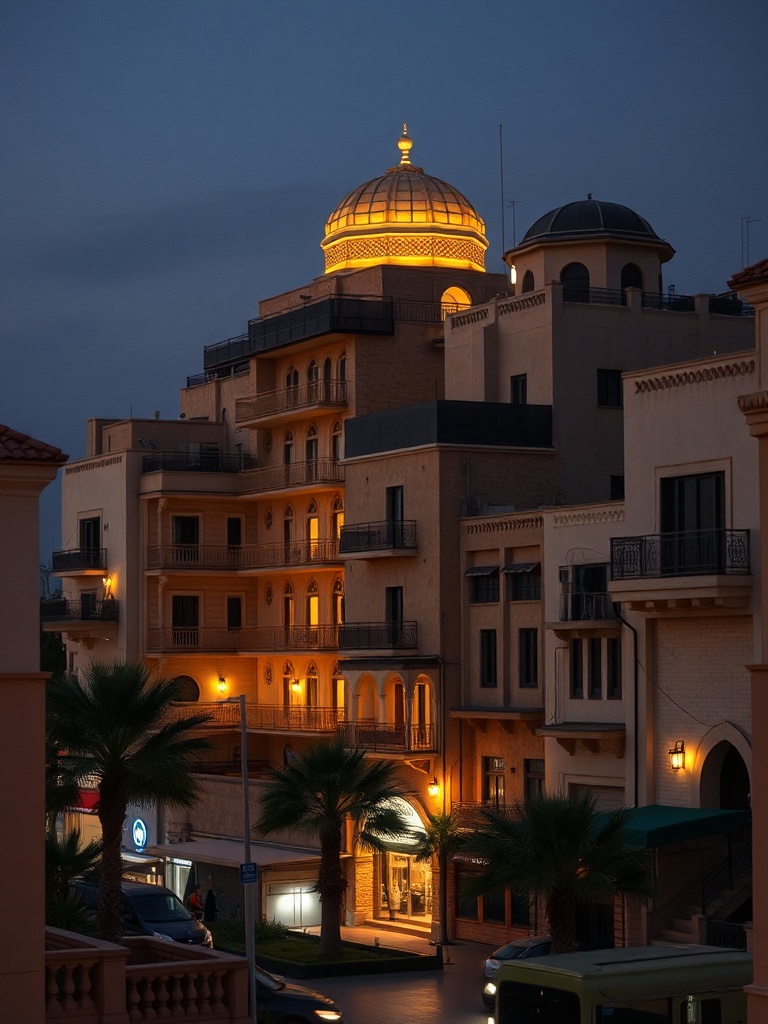
– Localized design and storytelling: Interiors increasingly draw on regional art, textiles, and architectural motifs, offering a sense of place rather than generic luxury.
– Wellness and wellbeing: Dedicated wellness floors, in-room recovery amenities, and integrated spa programs cater to health-minded travelers and bleisure guests.
– Seamless tech-enabled service: Contactless check-in, mobile keys, personalized guest profiles, and data-driven recommendations streamline stays while preserving personalized human service.
– Culinary authenticity: Hotels are elevating regional cuisine with chef-led guest experiences, market tours, and farm-to-table partnerships that spotlight local producers.
– Alternative accommodation experiences: From curated desert camps to beachfront glamping and heritage house conversions, nonstandard properties attract travelers seeking memorable stays.
Regional hotspots and what they offer
Major urban centers remain magnets for luxury and business travel, with skyscraper hotels offering panoramic cityscapes, rooftop dining, and large meeting facilities. Coastal destinations and islands focus on resort relaxation, water sports, and family-friendly amenities. Desert properties emphasize solitude, stargazing, and cultural programming such as guided heritage tours and falconry demonstrations.
Emerging secondary cities are investing in boutique hotels that appeal to design-savvy travelers and niche groups.
Guest experience and personalization
Personalization is shaping guest expectations. Hotels that capture preferences — room setup, dining tastes, and preferred activities — can tailor offers and deliver a cohesive experience across stays. Many properties also provide curated local itineraries and partnerships with cultural institutions to help guests connect with the destination beyond hotel walls. Staff training emphasizes cultural sensitivity and multilingual service to welcome diverse international visitors.
Sustainability and community engagement
Sustainability extends beyond recycling and energy efficiency; leading hotels are engaging with local communities through employment, sourcing, and conservation projects.
Initiatives such as native-plant landscaping, coral protection programs in coastal areas, and culinary collaborations with local farmers help properties reduce impact and create meaningful guest experiences tied to place.
Food and beverage as a destination
Food is a major differentiator. Multi-concept dining, chef residencies, and immersive culinary events — from spice-market tours to rooftop tasting menus — draw locals and travelers alike. Hotels are leveraging food to tell cultural stories and to position themselves as lifestyle hubs, not just places to sleep.
Practical tips for travelers
– Book direct for best rates, flexible cancellation, and loyalty benefits.
– Prioritize location relative to planned activities rather than only star rating.
– Look for sustainability credentials and wellness offerings if those matter to you.
– Check dining options and whether reservation access is available to guests.
– Consider boutique and nontraditional properties for unique, locally rooted experiences.
With a mix of visionary design, guest-focused services, and responsible operations, Middle East hotels continue to evolve. Expect more immersive experiences, stronger ties to local culture, and smarter sustainability as hotels strive to meet discerning global travelers’ expectations.