Middle East Hotels: What Travelers Should Know About Luxury, Design, and Practical Choices
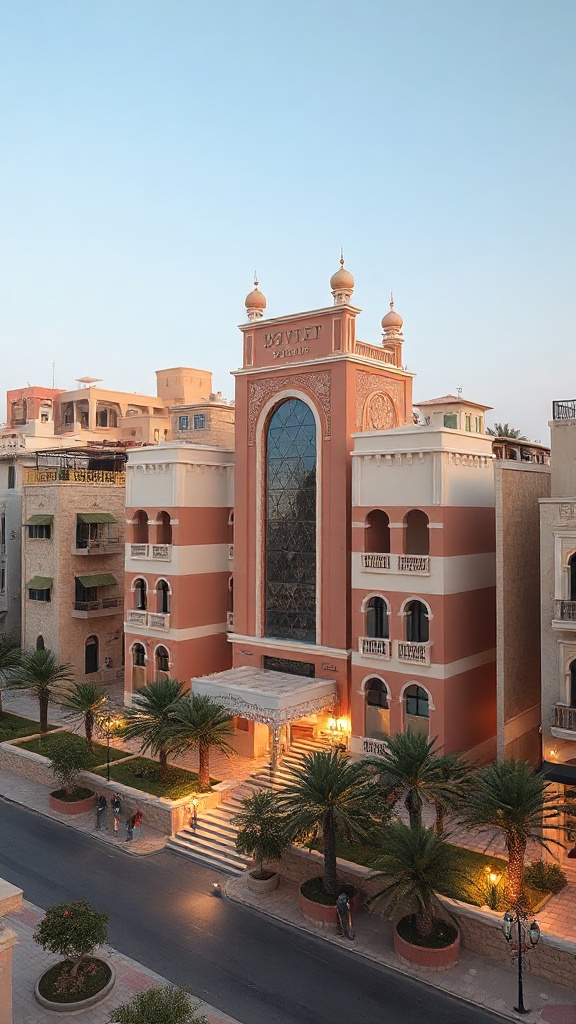
The hospitality scene across the Middle East continues to evolve, blending opulent tradition with modern comforts. Whether you’re seeking ultra-luxury resorts, boutique city hideaways, or culturally immersive stays, hotels in the region are reshaping their offerings to match changing traveler expectations.
What’s driving change
– Experiential luxury: Travelers increasingly favor experiences over sheer extravagance. Hotels are curating local cultural programs—private museum tours, desert excursions with heritage storytelling, and hands-on cooking classes with regional chefs—to create meaningful stays that connect guests to place.
– Sustainability and responsible travel: From energy-efficient operations to water-saving landscaping and locally sourced F&B, many properties are prioritizing sustainable practices. Look for certifications or transparent sustainability reports when choosing a green-conscious hotel.
– Tech-enabled comfort: Contactless check-in, mobile keys, in-room voice or app controls, and high-speed connectivity are standard priorities.
Tech is used to personalize stays—temperature presets, curated entertainment, and tailored recommendations through apps.
– Wellness integration: Beyond spa treatments, hotels now offer holistic wellness programs: sleep-focused rooms, nutritional menus, guided mindfulness and movement classes, and integrated medical wellness services at some properties.
– Design and heritage preservation: Adaptive reuse of historic buildings and contemporary takes on traditional architecture are appealing to travelers who want authenticity without sacrificing comfort. Expect local materials, artisanal furnishings, and design narratives rooted in place.
Regional highlights and variety
– City centers: Urban hotels cater to business and leisure with efficient meeting facilities, rooftop F&B, and fast access to cultural districts. Boutique hotels emphasize local art, intimate dining, and personalized service.
– Resort destinations: Seaside and desert resorts focus on privacy and curated outdoor adventures—snorkeling, dune safaris, and stargazing dinners.
Villas with private pools and all-inclusive programming remain popular for family and group travel.
– Heritage stays: Conversions of palaces, courtyard houses, and traditional guesthouses offer a sense of history. These often include guided cultural programming and architecture tours that highlight craftsmanship and local narratives.
– Emerging markets: Secondary cities and lesser-known coastal stretches are seeing investment, providing quieter alternatives to major tourist hubs.
These spots often offer better value for travelers seeking authenticity.
Choosing the right hotel: practical tips
– Prioritize location to match your itinerary—be it museum districts, business centers, or beachfront access. Traffic and transfers can influence daily plans more than distance on a map.
– Check sustainability and wellness offerings if these factors matter to you.
Hotels increasingly publish policies and program details online.
– Review meal options carefully; many properties now emphasize local and seasonal cuisine, but special dietary needs should be confirmed ahead of arrival.
– For families or long stays, look for suite configurations, on-site childcare, kitchen facilities, and reliable laundry services.
– Read recent guest reviews focusing on service consistency and maintenance; boutique properties can offer charm but vary in operational polish.
What to expect going forward
Hospitality in the Middle East is balancing ambitious development with a clearer focus on authenticity and responsibility. Hotels are refining the guest journey through technology, wellness, and curated cultural experiences, while preserving the strong service culture the region is known for. Whether you prefer contemporary luxury, historic ambiance, or immersive local stays, there’s a growing range of options designed to deliver both comfort and a sense of place.