Middle East hotels are redefining luxury and convenience, blending centuries-old traditions with modern hospitality trends. Whether travelers seek the urban glamour of skyscraper properties, serene desert resorts, or boutique stays in historic quarters, the region’s hotel scene delivers immersive experiences that balance authenticity, comfort, and sustainability.
Sustainability meets luxury
Sustainable hospitality is no longer a niche; it’s central to many hotel strategies. Expect solar-powered facilities, water-recycling systems, native landscaping that reduces irrigation needs, and a sharp reduction of single-use plastics. Luxury resorts often pair eco-conscious infrastructure with responsible guest programming—guided nature walks, dune restoration projects, and local sourcing for kitchen supplies—so travelers can enjoy indulgence while supporting environmental stewardship.
Cultural immersion and culinary experiences
Hotels are leaning into local culture as a core draw. Boutique properties in old medinas and restored heritage buildings offer architecture-focused stays, with artisans and storytellers bringing local crafts and histories to life. Culinary offerings have also evolved: signature restaurants showcase regional ingredients like za’atar, sumac, pomegranate, and Gulf seafood in contemporary formats. Rooftop lounges, private dining in desert camps, and chef-led market tours are popular ways to combine gastronomy with place-based storytelling.
Wellness and mindful travel
Wellness retreats are expanding beyond spas to holistic programs that include traditional hammam rituals, aromatherapy with oud and rose, and nutrition plans tailored to guests’ needs.
Many properties offer wellbeing packages that combine movement classes, mindfulness sessions, and bespoke spa therapies. For travelers prioritizing health, look for hotels with integrated wellness facilities, outdoor fitness spaces, and menus emphasizing seasonal, locally sourced produce.
Design and architecture: local narratives
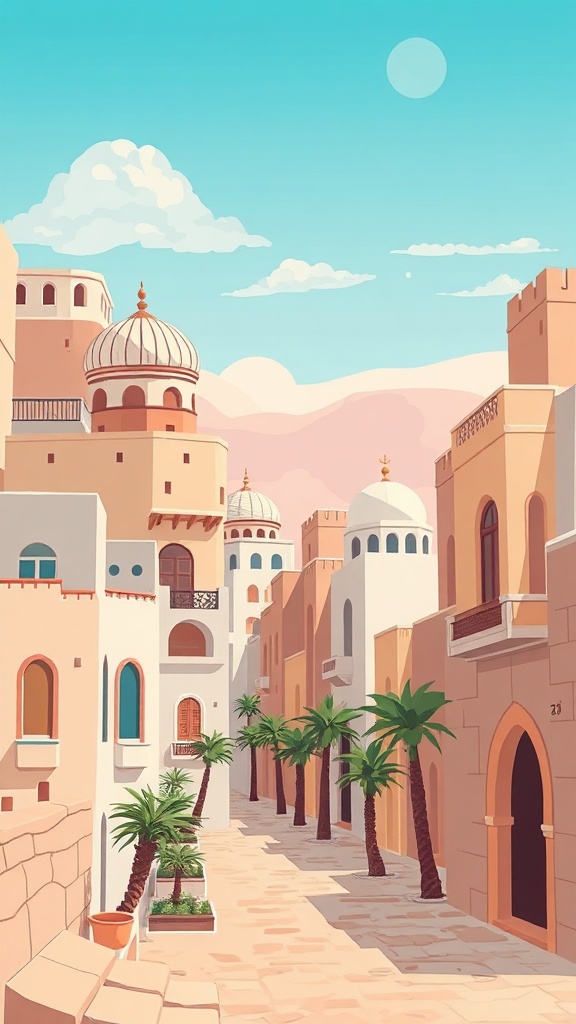
Design is a major selling point. Contemporary hotels often incorporate local materials and motifs—mashrabiya lattices, handwoven textiles, and stonework—creating spaces that feel rooted in their surroundings. Desert lodges favor low-slung, earth-toned architecture that complements the landscape, while urban hotels use glass and steel to frame dramatic skyline or waterfront views. Art programs and rotating exhibitions add cultural depth and make hotels destinations in their own right.
Technology and convenience
Smart stays focus on convenience without sacrificing personalized service. Mobile check-in, digital room keys, and chat-based concierge services streamline arrival and on-property navigation. High-speed internet and hybrid-ready meeting rooms cater to business travelers and longer-stay guests seeking a productive environment. Contactless menus and in-room entertainment systems enhance comfort while keeping interactions optional.
Family travel and accessibility
Family offerings have stepped up with interconnecting rooms, kids’ clubs, curated family excursions, and babysitting services.
Hotels also prioritize accessibility, with increasingly thoughtful design for guests with mobility needs and sensory considerations—ramp access, visual signage, and inclusive programming.
Practical tips for booking
– Choose location based on experience: city center for culture and nightlife, waterfront for views, or desert fringe for seclusion.
– Look for hotels with sustainability certifications or clear public commitments to environmental programs.
– Consider long-stay or serviced-apartment options when planning extended visits; they often include kitchen facilities, laundry, and coworking spaces.
– Check culinary offerings and book special dining experiences early—rooftop spots and chef tables fill fast.
– Review cancellation and health policies for peace of mind; flexible terms are increasingly common.
Middle East hotels continue to strike a balance between bold new amenities and deep cultural roots. For travelers seeking memorable stays, choosing a property that aligns with personal values—whether that’s sustainability, wellness, design, or culinary adventure—turns a simple overnight into a lasting memory.