Dubai is often associated with towering skyscrapers and luxury malls, but the city’s most compelling stories lie beyond the glittering skyline. A blend of old and new, Dubai is reshaping what modern urban life can look like—mixing traditional souks, creative neighborhoods, sustainable initiatives, and a thriving food scene.
For travelers and locals alike, exploring these layers offers a richer sense of place.
Rediscovering the old city
Start at the heart of Dubai’s heritage along the creek, where wind-tower houses and narrow lanes recall the city’s trading past. Walk through the Al Fahidi Historical Neighbourhood to see restored courtyard homes, art spaces, and cultural centers that host exhibitions and performances. Cross the creek on an abra (traditional wooden boat) to the bustling souks: the fragrant spice market, the glittering gold souk, and hidden textile stalls still offer immersive shopping experiences that contrast sharply with the city’s modern retail hubs.
Creative districts and contemporary culture
Dubai’s creative scene has expanded rapidly, with converted warehouses and design districts doubling as galleries, studios, and independent cafés. Areas like Al Quoz and the design-centric district are where emerging artists, designers, and small-batch retailers set up experimental pop-ups, workshops, and street festivals. These neighborhoods are ideal for those looking to experience Dubai’s contemporary arts scene, discover local designers, or attend intimate performances and talks.
A food landscape that goes beyond fine dining
While Dubai is famous for high-end restaurants and celebrity chefs, the real culinary adventure is found in its diversity. From Emirati heritage dishes served at family-run eateries to vibrant Indian, Levantine, and Persian street foods, the city’s restaurants reflect the multicultural communities that call Dubai home. Food markets, food trucks, and cooperative kitchens are cropping up, emphasizing local produce and sustainable sourcing—great options for foodies seeking authenticity over spectacle.
Sustainable urban living and accessible green spaces
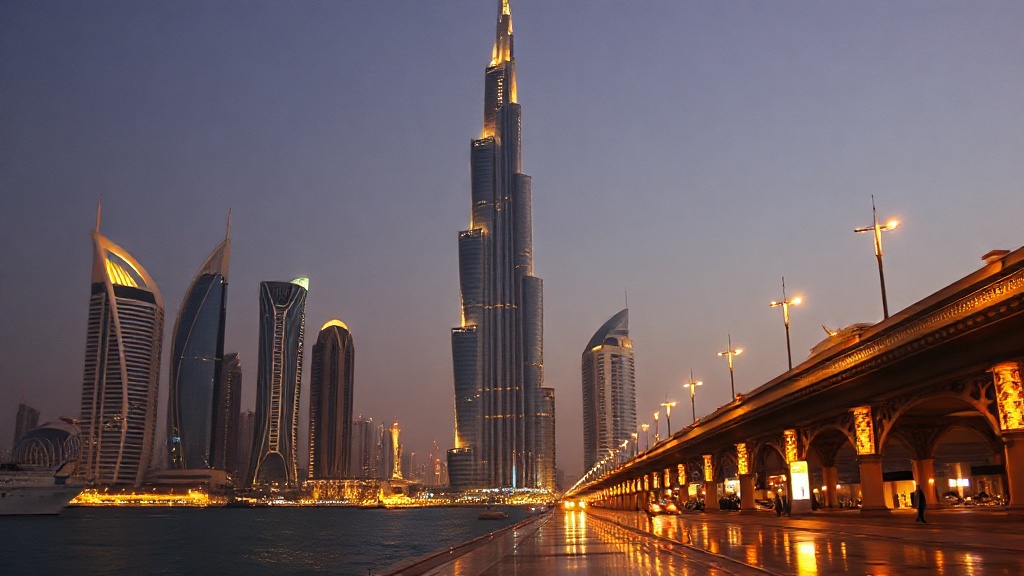
Dubai’s urban planning is increasingly focused on livability and sustainability. New neighborhoods are designed with walkability, public parks, and cycling routes in mind, while solar initiatives and green building standards are becoming part of mainstream development. Public spaces along the creek and waterfront promenades are being activated with cultural programming, making outdoor life a key part of the urban experience. For visitors, this means easier access to pleasant green spaces and waterfront cafés that are ideal for relaxing between sightseeing.
Smart transport and easy connections
Getting around is progressively user-friendly thanks to a growing network of metro lines, tram links, and water taxis that connect major districts and reduce reliance on private cars.
Ride-sharing apps, bike shares, and electric vehicle charging infrastructure are also more visible, making multi-modal travel practical for day trips and urban exploration.
Practical tips for a layered visit
– Visit the heritage quarter early in the morning to avoid crowds and enjoy cooler temperatures.
– Explore creative districts on weekends when galleries and pop-ups host events.
– Try Emirati dishes at local cafés to sample flavors you won’t find elsewhere.
– Use public transport and water taxis to see the city from different perspectives.
– Check listings for neighborhood markets, workshops, and performances to catch live cultural programming.
Dubai rewards curiosity.
Move beyond the iconic views and you’ll find a city that’s both a global crossroads and an evolving local culture—where history, creativity, and sustainable urban design come together to create memorable experiences.