Dubai continues to reinvent itself as a city where visionary architecture, cutting-edge technology, and lifestyle diversification meet practical urban planning. For travelers, investors, and residents, the emirate’s priorities now blend luxury with sustainability, culture with commerce, and rapid mobility with liveability.
A city of districts and experiences
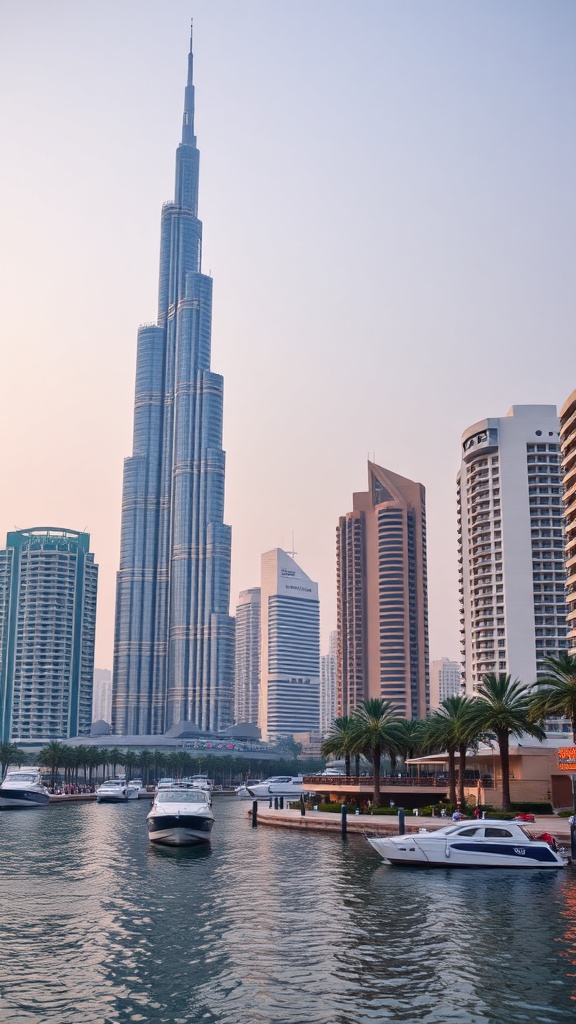
Dubai’s urban fabric is no longer defined only by its iconic skyline. Newer precincts emphasize mixed-use development, combining residential neighborhoods, parks, cultural venues, and waterfront promenades. Creative hubs and arts districts have grown alongside global-branded shopping and entertainment complexes, giving visitors a broader palette of experiences—from contemporary art shows and intimate galleries to family-friendly attractions and high-end retail.
Sustainability is shaping the agenda
Sustainability has moved from buzzword to measurable action across transport, energy, and buildings. Solar installations on rooftops and large-scale renewable projects feed into the grid, while developers increasingly pursue green building standards and waste reduction strategies. Water conservation and innovative cooling methods address the region’s climate realities, and several neighborhoods are experimenting with car-reduction measures, walkable layouts, and integrated cycling paths to improve air quality and daily life.
Mobility and connectivity
Public transit continues to be a core part of making Dubai accessible. A modern metro system, frequent feeder services, and ride-hailing options make it straightforward to move between major attractions and business centers.
Electric vehicle options and charging infrastructure have expanded, and trial projects with autonomous shuttles and smart traffic management hint at a future where congestion and emissions are reduced through technology and planning.
Tourism beyond the headline attractions
While signature landmarks still draw crowds, Dubai’s tourism strategy is broadening.
Cultural experiences—from restored heritage areas to contemporary museums and performance venues—appeal to curious travelers seeking more than luxury shopping.
Wellness, gastronomy, and outdoor desert activities are prominent, as are events that showcase design, technology, and business innovation.
Hospitality options mirror this diversity, ranging from boutique stays in historic quarters to family resorts and experiential hotels that emphasize sustainability and local culture.
Real estate and lifestyle trends
Residential demand is evolving. Buyers and renters increasingly value walkability, access to green space, and integrated community services. New developments often include schools, health centers, coworking spaces, and leisure facilities to support long-term living rather than purely speculative investment. Regulatory reforms aimed at long-term residents and professionals have helped attract global talent and businesses, supporting a more stable rental market.
Practical tips for visitors and new residents
– Use public transit for major routes and taxis or ride-hailing apps for last-mile connections. A contactless transit card simplifies transfers between modes.
– Seek out cultural precincts and local markets to experience authentic flavors beyond the malls.
– Book outdoor activities during the cooler part of the day; early mornings and evenings are best for desert trips and waterfront walks.
– Look for accommodations and venues that publish sustainability practices if minimizing environmental impact is a priority.
Dubai remains a study in contrasts—rapid growth harmonized with deliberate urban design. For those watching how global cities adapt to climate challenges, digital transformation, and shifting lifestyles, the emirate offers lessons in ambition, adaptability, and the practicalities of building a future-ready metropolis.