Middle East hotels are redefining hospitality with a mix of heritage, high design, and forward-looking service.
Whether travelers seek desert resorts, cosmopolitan skyscraper hotels, or intimate riads and restored palaces, the region’s hotel scene balances grandeur with a growing appetite for authenticity and sustainability.
What’s driving change
– Experiential travel: Guests want local immersion — culinary journeys through souks, guided desert safaris, or private tours of archaeological sites. Hotels are packaging experiences that connect visitors with culture rather than offering only standardized stays.
– Wellness and wellbeing: Spas now emphasize holistic programs combining traditional therapies, meditation, and medically informed wellness services.
Thermal suites, salt rooms, and bespoke health retreats are common offerings at luxury properties.
– Sustainability: Water conservation, solar power, energy-efficient design, and greywater recycling are priorities. Many properties promote locally sourced food, reduced single-use plastics, and biodiversity-friendly landscaping to appeal to eco-conscious travelers.
– Smart hospitality: Mobile check-in, digital room controls, and contactless services are widespread. Concierge teams increasingly curate personalized itineraries, while in-room technology focuses on comfort and energy management rather than gimmicks.
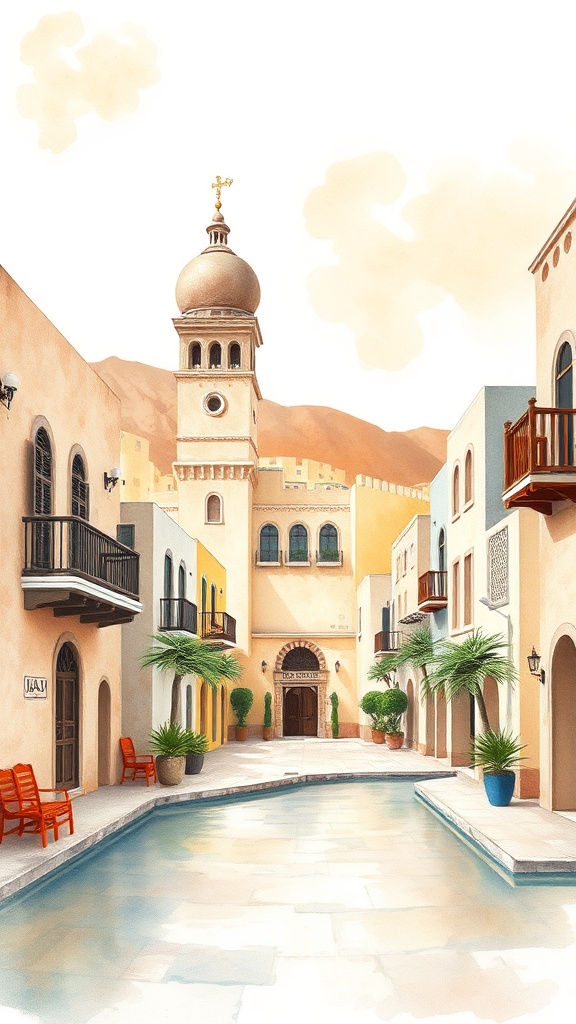
– Soft-branding and boutique conversions: Historic buildings — palaces, merchant houses, and colonial-era structures — are being converted into boutique hotels that preserve heritage while delivering modern comforts. Larger groups are also expanding their soft-brand portfolios, allowing independent hotels to keep character while gaining distribution.
Regional highlights without the clichés
– Gulf city hubs remain magnet destinations for business travelers and luxury seekers thanks to iconic skyline hotels and large integrated resorts. These properties excel in large-scale events, fine dining, and headline entertainment.
– Coastal and island resorts emphasize marine conservation and immersive water experiences: snorkeling, protected marine tours, and low-impact beachfront design.
– Desert resorts offer a different kind of luxury: privacy, stargazing, dune activities, and architecture that responds to climate with passive cooling and shaded courtyards.
– Heritage destinations put local craft, cuisine, and storytelling center stage. Small-batch culinary programs, resident artists, and local-sourced interiors give hotels a distinct sense of place.
What travelers should look for
– Location matters: proximity to transport links, attractions, and neighborhoods can shape the whole trip. In-city hotels that double as lifestyle hubs offer coffee shops, co-working spaces, and social programming.
– Transparency on sustainability: check environmental policies, energy sources, and water management claims. Certifications and independently verified initiatives are good signs.
– Value beyond the room: inclusive packages with meals, airport transfers, and experiences can deliver better value than cheaper nightly rates.
– Flexible cancellation and health protocols: these remain practical considerations for peace of mind.
Opportunities for investors and operators
– Growing domestic and regional travel demand supports midscale and lifestyle brands that cater to repeat visitors and longer stays.
– Adaptive reuse of historic buildings attracts discerning guests and can qualify for incentives in heritage zones.
– Partnerships with local culinary and cultural institutions help hotels stand out while contributing to destination authenticity.
For travelers and industry observers alike, Middle East hotels are evolving into platforms for cultural exchange, sustainable innovation, and curated luxury. Choosing a property that aligns with personal priorities — whether culture, wellness, or family-friendly amenities — ensures a stay that feels both memorable and responsible.