The hotel landscape across the Middle East is evolving fast, blending iconic hospitality traditions with modern demands for sustainability, wellness and immersive experiences. Whether travelers seek a luxury desert resort, a boutique riad in a medina, or a business-ready city property, hotels are reshaping their offerings to appeal to discerning guests from around the world.
Sustainability is no longer optional. Many hotels are implementing water-saving systems, solar power, and advanced waste-reduction programs to preserve fragile ecosystems and reduce operating costs. Coastal properties emphasize coral-friendly practices and responsible marine excursions, while desert resorts focus on native landscaping, greywater reuse and locally sourced materials.
Travelers who prioritize green stays can look for certifications and transparent sustainability reporting when choosing accommodations.
Wellness and experiential stays have moved beyond spas and fitness centers.
Hotels are curating holistic programs that include nutrition-forward dining, mindfulness sessions, guided desert hikes, and thermal experiences that draw on regional bathing traditions. Medical and wellness tourism is also growing, with properties collaborating with clinics to offer packages that combine procedures with recovery in tranquil, private settings.
Food and beverage is a major draw. Culinary offerings increasingly highlight regional flavors, seasonal produce and hyper-local partnerships with farms and fishermen. Many top hotels now host chef-led tasting menus, market tours, and immersive cooking classes that allow guests to learn about Levantine, Arabian and Mediterranean culinary heritage. For those seeking nightlife and social scenes, rooftop bars and destination restaurants are staples of urban hotel design.
Technology and contactless services shape guest expectations. Mobile check-in, digital keys, in-room automation and advanced booking platforms streamline stays and reduce friction.
Hotels are investing in robust connectivity for hybrid meetings and events, recognizing that business travel often blends remote work with face-to-face gatherings. Event spaces are being reimagined to support smaller, tech-enabled sessions alongside larger conferences.
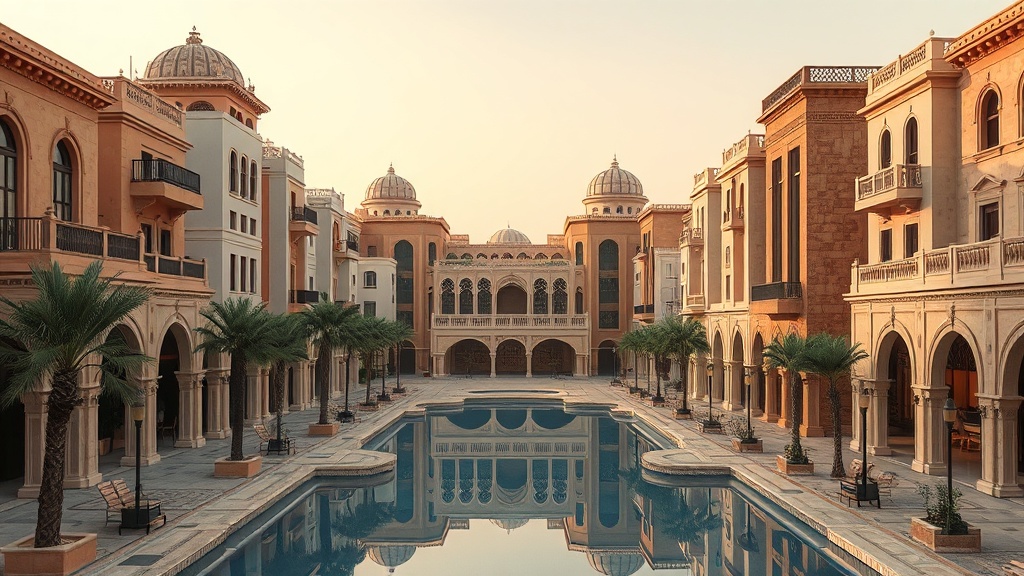
Authenticity and design matter. New developments and renovations balance contemporary aesthetics with traditional motifs—mashrabiya screens, handcrafted tilework, and local artisanal furnishings help properties tell a sense-of-place story. Boutique hotels and heritage properties in historic districts offer intimate alternatives to global chains, appealing to travelers who value narrative and character.
Cultural sensitivity and hospitality norms influence service offerings.
Properties adapt services for guests during religious observances, provide halal food options, and offer private family-friendly facilities where appropriate.
Staff training on cultural etiquette, guest privacy and multilingual service enhances the overall experience for international visitors.
Safety, security and seamless entry procedures are key for reputation and guest comfort.
Hotels are aligning with international standards for emergency preparedness, health protocols and data privacy.
Visa facilitation and transport links—such as airport transfers and regional rail connections—remain important factors when travelers choose between city, resort and heritage stays.
Tips for travelers:
– Check sustainability credentials and ask about water, energy and waste practices if eco-impact is a priority.
– Look for culinary experiences and local partnerships that offer authentic regional flavors.
– Confirm connectivity and workspace options if planning to work remotely or attend meetings.
– Consider cultural calendars and hotel offerings during religious observances to ensure appropriate services.
– Compare boutique and global-brand options for design preference, amenities and loyalty benefits.
The Middle East hotel sector is balancing timeless hospitality with modern expectations, creating stays that are both luxurious and meaningful. Travelers who prioritize sustainability, immersive local experiences and seamless tech-enabled service will find a growing range of options designed to meet those needs.