The landscape of Middle East hotels is shifting from sheer spectacle to a more nuanced blend of experience, sustainability, and local authenticity. Travelers now expect more than grand lobbies and panoramic views; they want meaningful stays that reflect culture, wellness, and responsible practices.
Here’s a practical look at what to expect and how to choose the right hotel for your next trip to the region.
What’s driving change
– Experiential luxury: Luxury is moving beyond opulence toward curated experiences — guided desert excursions, bespoke cultural itineraries, private dining with local chefs, and immersive art programs. Upscale properties are marketing time-based experiences as much as room categories.
– Wellness and mindfulness: Wellness offerings extend past spas to include holistic programming: digital-detox packages, sleep-focused room designs, nutrition-forward menus, and on-site wellness professionals for yoga, mind-body therapy, and biohacking amenities.
– Sustainability and social responsibility: Sustainable hotels emphasize energy-efficient design, local sourcing for F&B, water management, and community partnerships that support local artisans and conservation projects.
Travelers increasingly prioritize properties with transparent sustainability credentials.
– Technology and convenience: Contactless check-in, mobile keys, in-room voice assistants, and smart-room controls are becoming standard. Hotels also use tech for personalized guest journeys — pre-arrival preferences, in-stay communication via apps, and AI-enhanced concierge services that recommend activities based on guest profiles.
– Boutique and lifestyle growth: Independent and lifestyle brands that offer boutique design, locally inspired interiors, and smaller guest counts are growing in popularity. These properties appeal to travelers who want authenticity and personalization over cookie-cutter luxury.
Design and local storytelling
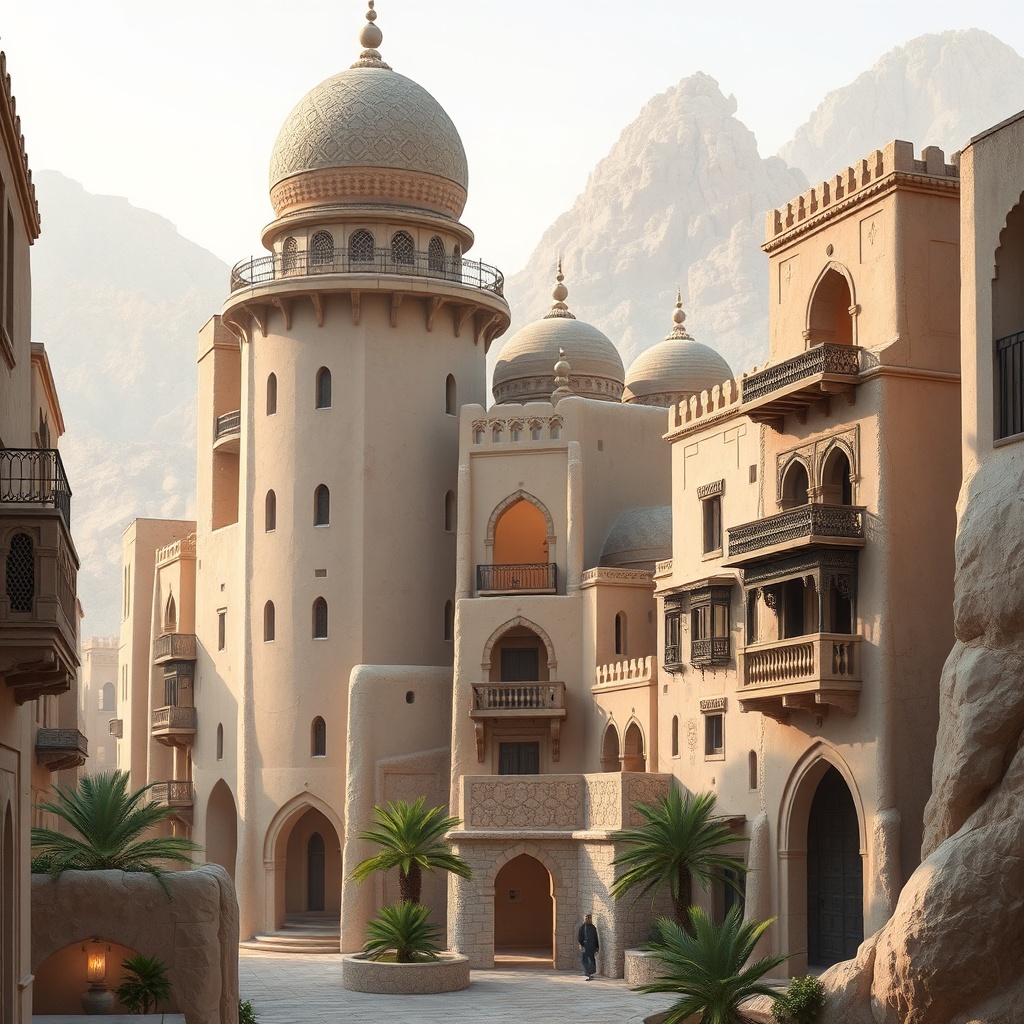
Many hotels now incorporate heritage architecture or collaborate with local artists to create spaces that tell a story. From restored courtyard riads to modern high-rises with traditional motifs, design is being used to connect guests with place. Expect locally sourced materials, regionally influenced artwork, and culinary programs that highlight indigenous ingredients and cooking techniques.
Food and beverage as a destination
Culinary offerings are a major draw. Destination restaurants helmed by internationally trained chefs who celebrate local produce turn hotels into dining hubs. Food halls, chef’s-table experiences, and curated market tours are common add-ons. Beverage programs are also evolving with craft-focused bars, regional wine and spirits lists, and mixology that interprets local flavors.
Safety, hygiene, and flexible policies
Guest safety and hygiene remain priorities, with many properties maintaining rigorous cleaning standards, air-quality management, and well-trained staff. Flexible cancellation and booking policies have become competitive differentiators — especially for travelers wanting peace of mind when plans change.
How to choose the right hotel
– Define your priorities: Is the stay about relaxation, cultural immersion, culinary exploration, or business? Choose a property that markets those strengths.
– Check sustainability credentials: Look for third-party certifications, clear sustainability reporting, or transparent initiatives such as waste reduction and community engagement.
– Read recent guest reviews: Focus on feedback about service consistency, hygiene practices, and how the hotel handles guest requests or issues.
– Compare booking channels: Direct bookings can offer perks like room upgrades, flexible policies, or dining credits. OTAs can provide price comparisons but may not include on-property benefits.
– Consider location beyond the postcard: Proximity to attractions matters, but also weigh traffic patterns and whether the hotel offers curated transport or local guides.
The hotel scene across the Middle East is maturing into a market where authentic experiences, responsible operations, and thoughtful design are as important as luxury. Whether you choose a skyline hotel, a serene desert retreat, or a converted heritage property, focus on what will make the stay memorable and aligned with your travel values.