Saudi Arabia is evolving fast as a global destination for travel, investment, and culture, blending deep-rooted heritage with ambitious modern development. The country’s coastline, desert landscapes, and historic urban centers are drawing international attention, while policy shifts are creating fresh opportunities for businesses and visitors alike.
Tourism and cultural revival
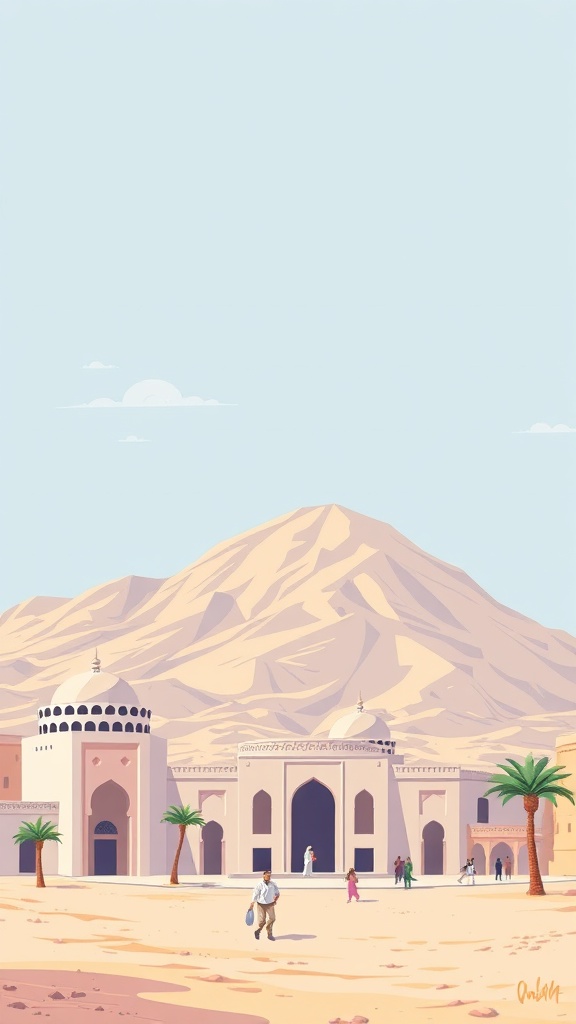
The opening up of leisure tourism has made it easier for visitors to explore sites that were once off-limits to the general public. Ancient rock formations, archaeological sites, and restored historic districts offer immersive experiences for those interested in history and archaeology. Cities like Jeddah showcase centuries-old architecture and waterfront culture, while lesser-known regions reveal desert oases, dramatic canyons, and distinctive Bedouin traditions. Luxury coastal resorts and sustainable island projects are emphasizing low-impact travel, appealing to environmentally conscious travelers.
Events and entertainment
A growing calendar of cultural festivals, concerts, film screenings, and international sporting events is changing perceptions and attracting global crowds. Investments in theaters, museums, and art spaces are creating platforms for local artists and international collaborations.
These cultural shifts support a broader creative economy and provide new revenue streams for hospitality and service sectors.
Economic diversification and investment climate
A concerted push toward economic diversification is encouraging investment in technology, tourism, entertainment, and clean energy. Reforms aimed at easing foreign investment, streamlining business registration, and expanding private-sector participation make it easier for international companies to enter or expand in the market. State-backed investment vehicles and public-private partnerships are active in financing large infrastructure and urban development projects, while special economic zones offer incentives for targeted industries.
Sustainability and energy transition
Energy planning is moving beyond traditional hydrocarbons, with large-scale solar and wind projects and pilot initiatives in green hydrogen and carbon management. Ambitious plans for sustainable cities emphasize energy efficiency, water management, and reduced carbon footprints. The Red Sea and coastal developments highlight regenerative tourism principles, with designs that prioritize coral protection, biodiversity, and minimal environmental impact.
Social change and workforce transformation
Social and regulatory reforms have broadened participation across the workforce and are creating new roles for women and young professionals in business, tech, and creative sectors. Investment in education, vocational training, and entrepreneurship programs supports a growing talent pool and helps prepare the workforce for a more diversified economy.
Challenges and opportunities
Rapid change brings challenges: ensuring sustainable water use, protecting fragile ecosystems, preserving cultural heritage amid urbanization, and aligning infrastructure with population growth are ongoing priorities. There’s also a need to balance mega-project ambitions with community benefits, local job creation, and long-term environmental stewardship.
Why it matters
For travelers, Saudi Arabia now offers a compelling mix of ancient heritage and contemporary luxury experiences. For investors, the shifting regulatory landscape and focus on new sectors present tangible opportunities. For cultural practitioners and conservationists, the drive to showcase and protect heritage opens doors for collaboration and innovation.
As the country navigates these transformations, interest from global visitors and investors continues to rise. With careful planning, sustainable practices, and inclusive economic policies, there’s potential for long-term growth that honors both tradition and modern aspirations.