Saudi Arabia is navigating a rapid and visible transformation that touches its economy, society, and global profile. Driven by a deliberate push to diversify beyond oil revenues, the kingdom is investing heavily in new industries, tourism, and sustainable energy — creating opportunities for businesses, visitors, and international partners.
Economic diversification and investment
A central aim of recent policy has been to broaden the economic base. Large-scale investment vehicles, public-private partnerships, and regulatory reforms are making it easier for foreign capital to enter sectors like technology, logistics, manufacturing, and entertainment. Reforms to licensing, visas, and business registration are designed to shorten timelines and make the market more predictable for newcomers. For companies exploring the Middle East, Saudi Arabia increasingly represents both a consumer market and a regional hub for expansion.
Tourism and cultural opening
Tourism is a high-priority growth area. New destinations, archaeological sites, coastal resorts, and cultural festivals are being developed alongside upgraded hospitality infrastructure. Relaxed visa rules and efforts to streamline travel logistics have made it simpler for international tourists to visit. Cultural programming — from museums and art exhibitions to concerts and film festivals — is boosting the visitor experience while supporting local creative industries.
Urban megaprojects and smart cities
Ambitious urban projects are reshaping the landscape, promoting sustainable design, and showcasing next-generation urban planning. These developments emphasize walkability, integrated transit, and green building standards. Smart-city technologies — from mobility platforms to energy-efficient systems — are being piloted at scale, creating demand for architecture, engineering, and digital services.
Renewable energy and industrial transformation
Energy strategy has pivoted toward renewables and low-carbon technologies. Massive solar and wind initiatives are under development to augment the national grid, reduce reliance on fossil fuels for domestic power, and free hydrocarbons for higher-value uses like petrochemicals and exports. Green hydrogen and ammonia projects have attracted international partnerships and are positioned as a future export industry, leveraging abundant renewable resources and industrial expertise.
Entertainment, sports, and lifestyle
The entertainment sector has expanded rapidly. Stadia, concert venues, international sporting events, and film production facilities are attracting global talent and audiences.
This momentum supports ancillary sectors such as hospitality, retail, and digital media, while creating new jobs and training opportunities for young professionals.
Social and workforce shifts
Changes in labor market policy, education, and womens’ workforce participation are reshaping demographics in the workplace. Investments in vocational training, digital skills, and higher education aim to align labor supply with emerging industry needs. Entrepreneurship is receiving support through incubators, accelerator programs, and funding mechanisms targeting startups in fintech, e-commerce, healthtech, and cleantech.
Geopolitical and trading role
Strategically located, Saudi Arabia is strengthening trade ties across Asia, Europe, and Africa while investing in logistics and port capacity to compete as a regional trade hub. Energy partnerships remain important, but diversified trade relationships are becoming more central to long-term economic resilience.
What this means for businesses and travelers
For businesses, the environment offers a combination of market access, incentives, and large domestic demand — balanced by the need to navigate local regulations and build strong local partnerships.
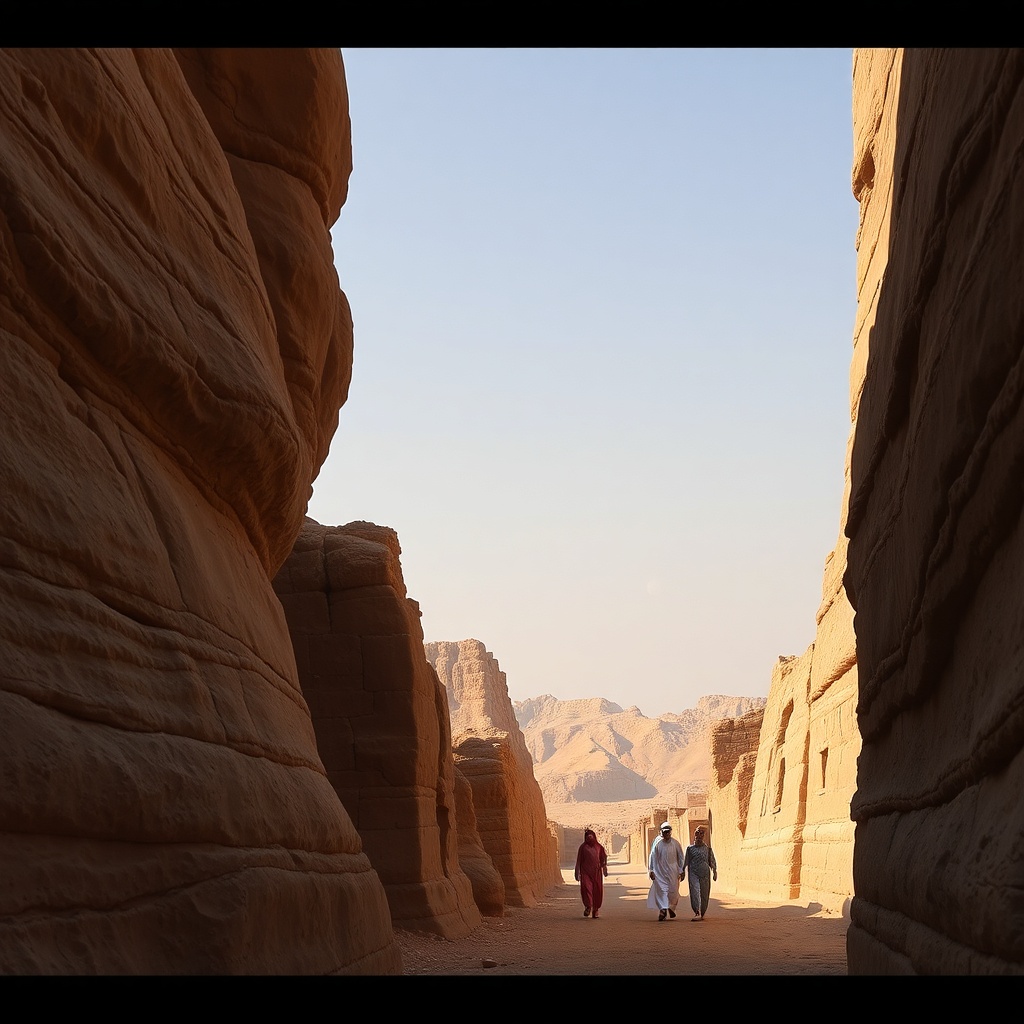
For travelers, the kingdom now offers a wider array of experiences, from cultural heritage and desert landscapes to modern coastal resorts and urban conveniences.
Opportunities are broad but require thoughtful engagement: building local relationships, understanding regulatory nuances, and aligning plans with national development priorities will increase the chance of long-term success in this evolving market.