Saudi Arabia is reshaping its global image—fast becoming a destination for travelers, a hub for business and technology, and a center for cultural activity.
The kingdom’s push to diversify its economy beyond hydrocarbons is visible across sprawling development projects, a growing entertainment calendar, and policy moves that make it easier for foreigners to visit, work, and invest.
What’s driving the change
A broad national transformation program is steering public and private investment into tourism, renewable energy, tech, and culture. Massive infrastructure projects along the Red Sea and in desert regions are creating luxury resorts, conservation zones, and new urban centers that aim to combine sustainability with high-end tourism. At the same time, urban mobility and digital infrastructure improvements are improving daily life in Riyadh, Jeddah, and emerging cities.
Travel and culture: new experiences
Tourism has become a priority.
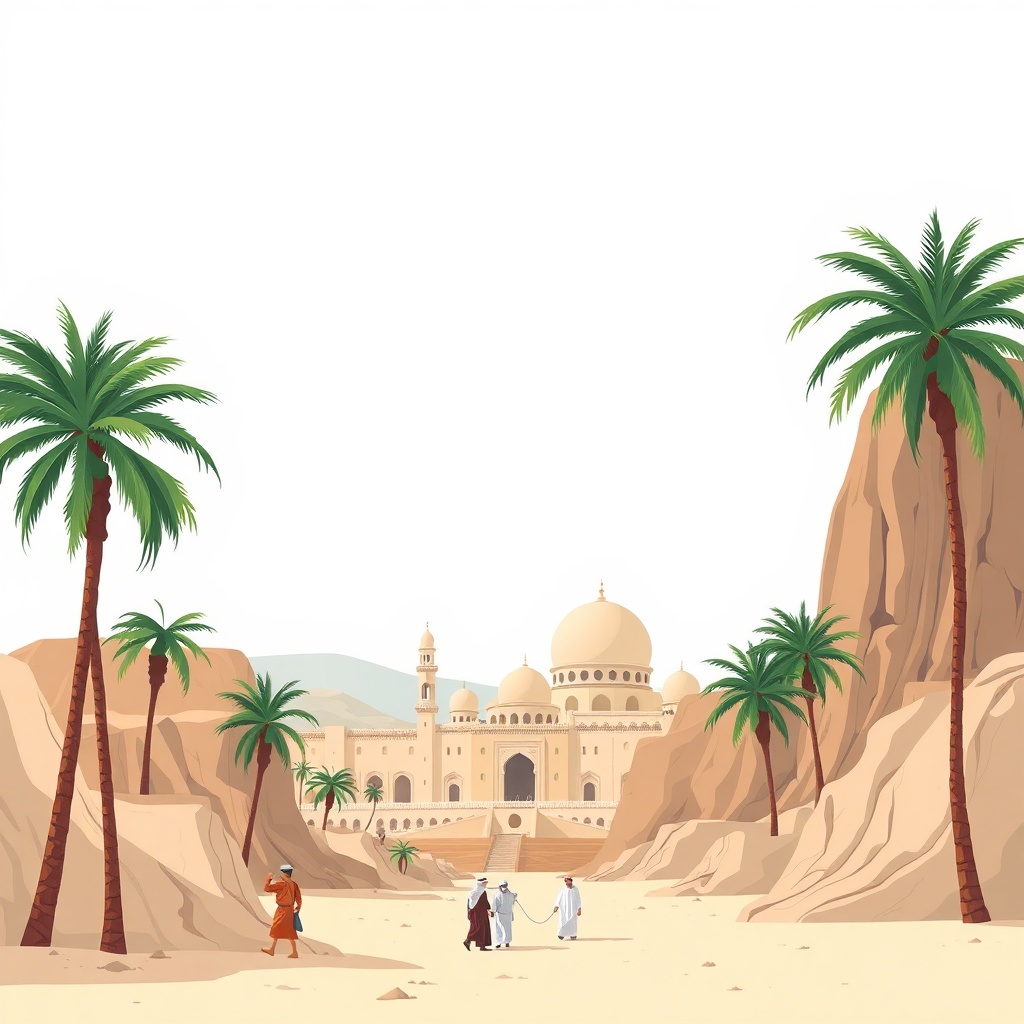
Easier e-visa access and upgraded airport facilities have opened doors for international visitors. Heritage destinations such as restored historic towns and UNESCO-listed sites are being promoted alongside boutique desert retreats and eco-conscious seaside resorts. Cultural programming — from art exhibitions and music festivals to film screenings and heritage festivals — gives visitors reasons to stay longer and explore beyond the main cities.
Business and investment opportunities
The investment landscape is shifting toward technology, finance, and sustainable industries. A large sovereign investment vehicle is actively backing domestic and international projects, while new incentives target startups and SMEs. Financial technology, logistics, and renewable energy companies are particularly attractive as the kingdom looks to modernize its economy and reduce dependence on oil revenues.
Energy transition and sustainability
Renewable energy, especially solar, is a cornerstone of the transition strategy.
Large-scale solar farms, pilot green-hydrogen projects, and initiatives promoting energy efficiency are pairing with ambitious conservation efforts. Coastal and desert development projects are incorporating sustainability principles, from water management to biodiversity protection, aiming to balance economic growth with environmental stewardship.
Social and workforce evolution
Policy reforms have broadened workforce participation, with increasing emphasis on female entrepreneurship, education, and private-sector employment. Programs to upskill local talent and attract global professionals are expanding the talent pool for tech, hospitality, and professional services.
These shifts are supporting a more diversified labor market that can serve new industries and global investors.
What travelers and investors should know
– Travelers: Look beyond major cities. Coastal islands, desert camps, and restored heritage areas deliver unique experiences that combine luxury and authenticity. Check visa options and local cultural guidelines before planning a trip.
– Investors: Monitor regulatory updates and incentives for renewable energy, tourism, and technology.
Partnerships with local entities and understanding cultural context improve the chances of long-term success.
– Entrepreneurs: Local accelerator programs and funding initiatives are gaining traction. Building a business that aligns with sustainability and localization goals can open doors to public and private support.
The outlook
Saudi Arabia’s transformation creates a mix of opportunities and practical considerations. For travelers, it offers a wider array of experiences; for investors and entrepreneurs, it represents a market in motion with sizeable public and private capital flows. Observing policy shifts, prioritizing sustainability, and engaging with local partners are effective ways to navigate and benefit from what is becoming an increasingly dynamic regional hub.