Saudi Arabia is redefining what it means to travel in the Arabian Peninsula, shifting from a destination known primarily for pilgrimage to a vibrant hub for cultural, adventure, and luxury tourism. Policy changes, major heritage restorations, and ambitious hospitality projects are creating new reasons to visit, invest, and explore.
Cultural and heritage highlights
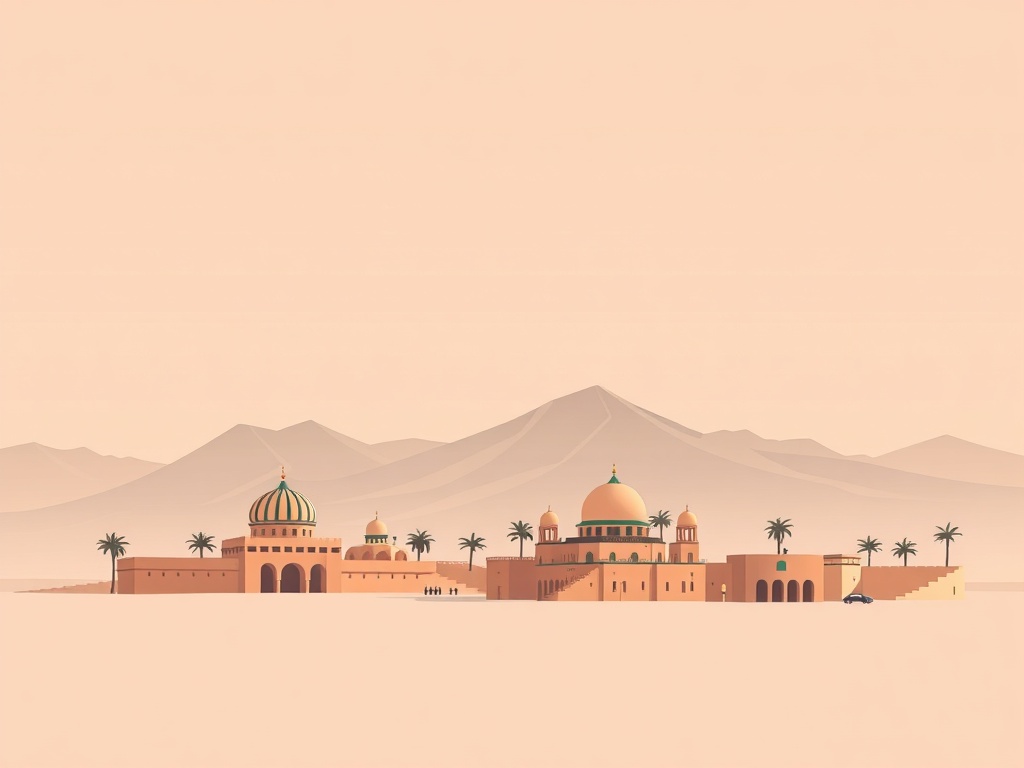
The country’s historic sites are a growing draw. Well-preserved archaeological sites and centuries-old urban neighborhoods showcase layers of Arabian history — from ancient Nabatean tombs to mud-brick Najdi architecture. Restored districts and UNESCO-recognized landmarks offer immersive experiences: guided walks through royal courtyards, storytelling tours led by descendants of local families, and evening cultural festivals that bring traditional music, poetry, and crafts to life.
AlUla and Diriyah often headline cultural itineraries.
AlUla’s rock formations and rock-cut tombs provide dramatic scenery for outdoor activities and curated heritage programs, while Diriyah’s restored palaces and galleries spotlight the roots of modern Saudi identity. Beyond these, lesser-known towns and coastal communities offer authentic encounters with regional cuisine, falconry traditions, and artisan workshops.
Religious tourism and modern pilgrimage infrastructure
Religious travel remains a central part of the tourism ecosystem. Infrastructure upgrades around holy sites, expanded transport options, and streamlined visa systems have improved the experience for visitors performing pilgrimage. Enhanced services—from modern accommodation clusters to crowd-management technologies—help balance spiritual needs with better comfort and safety.
Sustainable and regenerative tourism
Sustainability is increasingly integrated into planning for tourism hotspots. Conservation-focused tours, visitor caps at fragile sites, and community-led stewardship programs aim to protect landscapes and cultural heritage while delivering economic benefits to local communities. Luxury eco-resorts along coastlines and desert lodges emphasize low-impact design, water conservation, and local sourcing.
Entertainment, sports, and events
A growing calendar of international concerts, film festivals, motorsports, and sporting events is expanding the country’s appeal to younger and more diverse visitor segments. These events complement cultural tourism by attracting global talent and encouraging cross-sector investment in hospitality and urban infrastructure.
Hospitality and investment opportunities
Global hotel brands and boutique operators are expanding across the country, from high-end resorts on the Red Sea coast to intimate heritage hotels in restored towns.
Investors and developers are focusing on integrated destinations that combine culture, leisure, and wellness.
Opportunities exist in boutique accommodation, culinary ventures that spotlight regional flavors, and experiential tourism services such as guided desert experiences and marine conservation excursions.
Practical travel considerations
Visitors should plan ahead for regional climate conditions and dress codes that respect local customs. Many attractions now offer multilingual guides and digital resources to help travelers navigate cultural norms and site-specific regulations.
Visa accessibility has improved for many nationalities, making it easier to plan multi-city itineraries that combine heritage sites, coastal retreats, and urban cultural districts.
Why it matters
This evolution positions Saudi Arabia as a destination where ancient heritage and ambitious modern projects coexist. For travelers seeking unique cultural encounters, for investors eyeing tourism infrastructure, and for cultural professionals interested in heritage preservation, the country offers a dynamic and rapidly maturing landscape. Exploring its restored palaces, dramatic desert landscapes, and vibrant cities reveals a nuanced story beyond headlines—one of renewal, tradition, and new forms of hospitality.