Dubai keeps drawing global attention as a city that blends bold architecture, luxury hospitality, and fast-moving innovation. Whether you’re planning a visit, scouting real estate, or simply curious about what makes this emirate tick, understanding its main attractions and practical realities helps make smarter choices.
Skyline and iconic attractions
Dubai’s skyline is a showcase of superlatives and inventive design. Landmarks range from soaring observation towers to engineered islands and waterfront promenades. Popular visitor experiences include panoramic views from high-rise observation decks, yacht cruises around artificial archipelagos, and heritage districts that reveal traditional Emirati life among restored wind-tower houses and narrow lanes.
Culture, food and neighborhoods
Beyond the gloss, Dubai offers cultural depth. Historic neighborhoods and museums provide context for trading routes and pearl-diving traditions that shaped the region. Food is a major draw: street-side shawarma stands coexist with chef-driven restaurants serving cuisines from across the globe. Neighborhoods each have distinct personalities — waterfront promenades and marinas for nightlife, old souks and gold markets for bargaining and atmosphere, and leafy residential areas for family life and parks.
Mobility and getting around
Public transit has evolved rapidly, with metro lines, tram links, ferries, and an expanding network of ride-hailing options reducing reliance on cars in central zones. For short trips, e-scooters and bike rentals are increasingly common in dedicated lanes. Travelers should factor in midday heat when planning walking tours and choose early-morning or evening slots for outdoor sightseeing.
Business, finance and free zones
Dubai’s economic model emphasizes diversification. Key sectors include logistics, tourism, finance, technology, and trade. Free zones and business districts provide onshore advantages for international companies, attractive licensing options, and modern office infrastructure — reasons many startups and regional headquarters choose to locate here. Investors often focus on properties near transit hubs and commercial centers, where rental demand tends to be stronger.
Sustainability and smart-city initiatives
Sustainability is moving higher on the agenda.
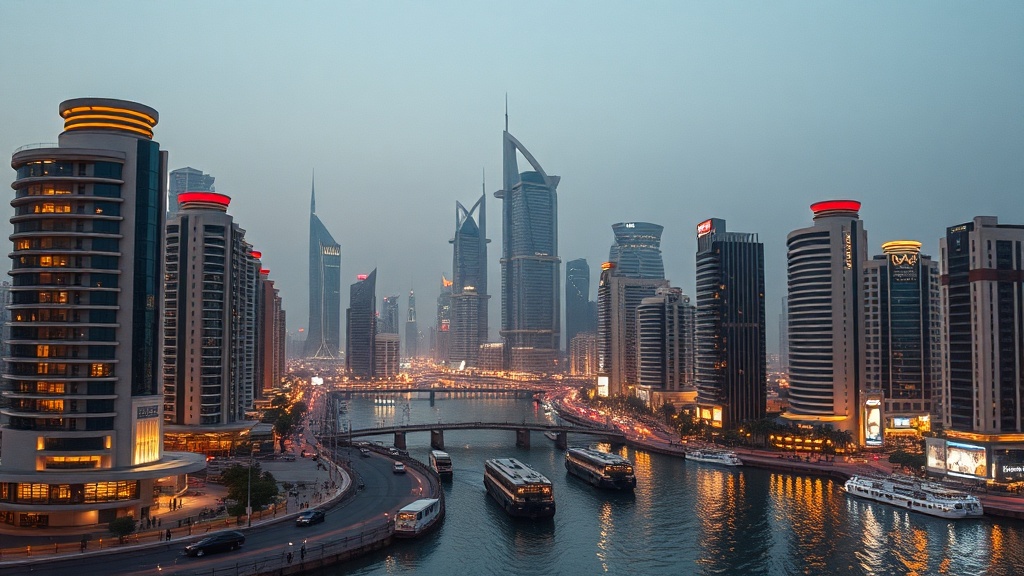
Large-scale solar projects, green building regulations, and smart-city services aim to reduce energy use and improve urban living. New developments increasingly incorporate energy-efficient systems, recycled materials, and water-conservation measures. Expect continuing investment in renewable energy and circular-economy solutions across the urban landscape.
Practical tips for visitors and residents
– Climate: Pack breathable clothing and plan indoor breaks during the hottest parts of the day. Many attractions offer climate-controlled comfort.
– Visas and entry: A range of entry and residency options exist; check official sources for eligibility and requirements before traveling.
– Money: Credit cards are widely accepted; smaller markets and taxis may prefer cash. ATMs are plentiful.
– Etiquette: Respectful dress and behavior in public, especially in traditional districts and places of worship, will help avoid misunderstandings.
– Booking: Popular attractions and dining venues often fill up on weekends and during festival periods; book ahead for peak experiences.
Why Dubai continues to matter
The city remains a hub for ambitious projects, global meetings, and cross-cultural exchange. Its ability to combine large-scale infrastructure with leisure, retail, and entrepreneurial ecosystems keeps it relevant for tourists and professionals alike. Whether seeking a short getaway or a longer-term opportunity, Dubai’s mix of modern convenience and cultural pockets offers plenty to explore and evaluate.