Middle East hotels are redefining hospitality, blending centuries-old traditions with cutting-edge service to meet increasingly sophisticated traveler expectations. Whether seeking ultra-luxury waterfront resorts, intimate boutique riads, or business-ready city properties, travelers find options that emphasize authenticity, wellness, and technology.
What’s shaping guest experiences
– Authenticity and culture: Hotels are leaning into local heritage through design, programming, and partnerships with artisans. Expect rooms that incorporate regional materials and on-site experiences such as guided souk visits, traditional music nights, and curated art displays that tell a local story.
– Wellness and holistic stays: Spa offerings now extend beyond massages to integrative programs—detox retreats, sleep optimization, and medically informed wellness packages delivered by cross-disciplinary teams. Thermal suites, private fitness coaches, and nutrition-focused dining are common features.
– Culinary as a destination: Top properties invest heavily in food and beverage, hosting chef residencies, farm-to-fork concepts, and tasting menus that reinterpret regional cuisine. Rooftop bars and beachside seafood experiences are popular draws for both guests and local diners.
– Sustainability and responsible travel: Many hotels implement energy-efficient systems, water stewardship, and circular-waste programs. Sourcing locally—produce, textiles, furnishings—supports communities and reduces supply-chain impact, while eco-certifications and transparent reporting build trust with conscious travelers.
– Technology and seamless service: Contactless check-in, mobile room keys, in-room IoT controls, and AI-driven personalization tools enhance convenience without sacrificing hospitality. Cybersecurity and guest-data privacy are priorities as digital services expand.
– Flexible business and events: Conference centers and hybrid-meeting capabilities accommodate a blend of in-person and virtual participation. Smaller, design-forward meeting spaces appeal to creative teams and corporate retreats.
Design trends that resonate
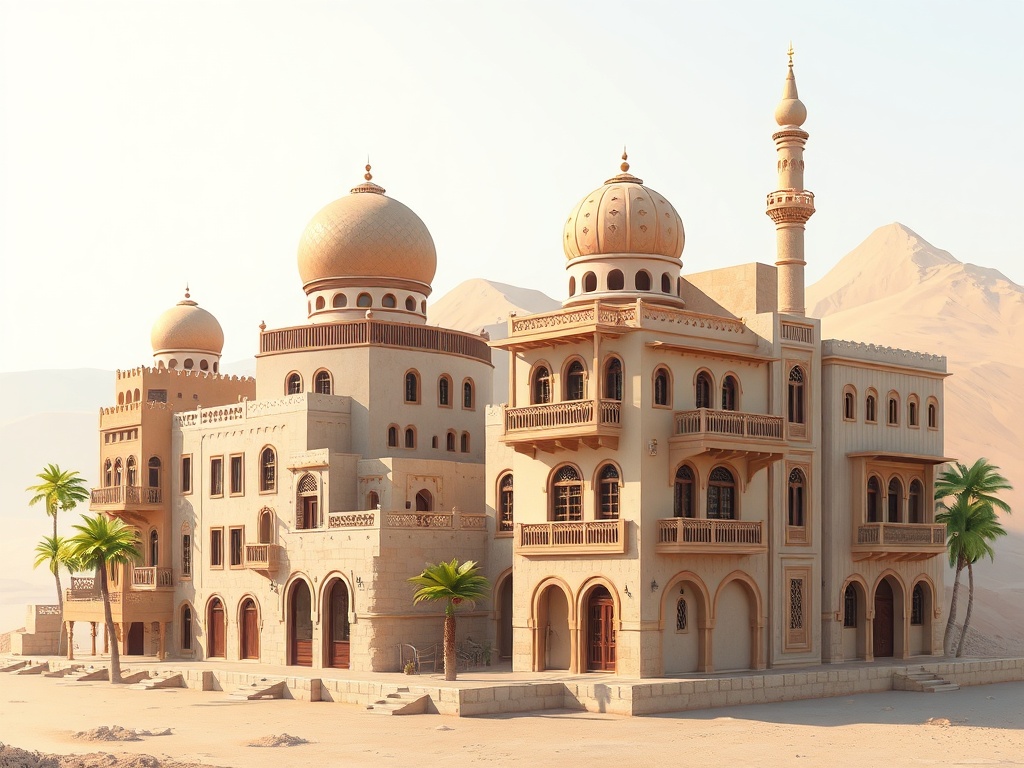
Architecture often balances modern minimalism with regional motifs—courtyards, mashrabiya-inspired facades, and open-air public spaces that reflect climate and culture.
Interior design favors tactile, locally sourced materials and multi-functional layouts that serve leisure and business travelers alike.
What travelers should look for
– Cultural programming: Seek hotels that offer genuine cultural engagement rather than staged experiences.
– Wellness credentials: Look for qualified practitioners and clearly outlined programs if wellness is a priority.
– Sustainability transparency: Check for disclosures on energy, water, and waste policies, plus community-impact initiatives.
– Flexible rates and cancellation policies: Book with hotels that understand changing travel plans and provide straightforward options.
– Local guidance: Properties that offer concierge-led neighborhood insights deliver richer stays than guidebook itineraries alone.
Opportunities for hoteliers
Successful properties blend operational excellence with narrative-driven marketing. Prioritizing staff development, multilingual service, and strong online reputation management is essential. Building partnerships with local suppliers and cultural institutions creates unique packages that differentiate a hotel in a competitive market.
Middle East hotels that combine local authenticity, modern amenities, and responsible practices are positioned to attract discerning travelers seeking meaningful stays. Those that keep guest experience at the center—while staying nimble with technology and sustainability—will continue to lead the region’s evolving hospitality scene.