Dubai’s Green Shift: How the City Is Becoming More Sustainable and What Visitors Can Do
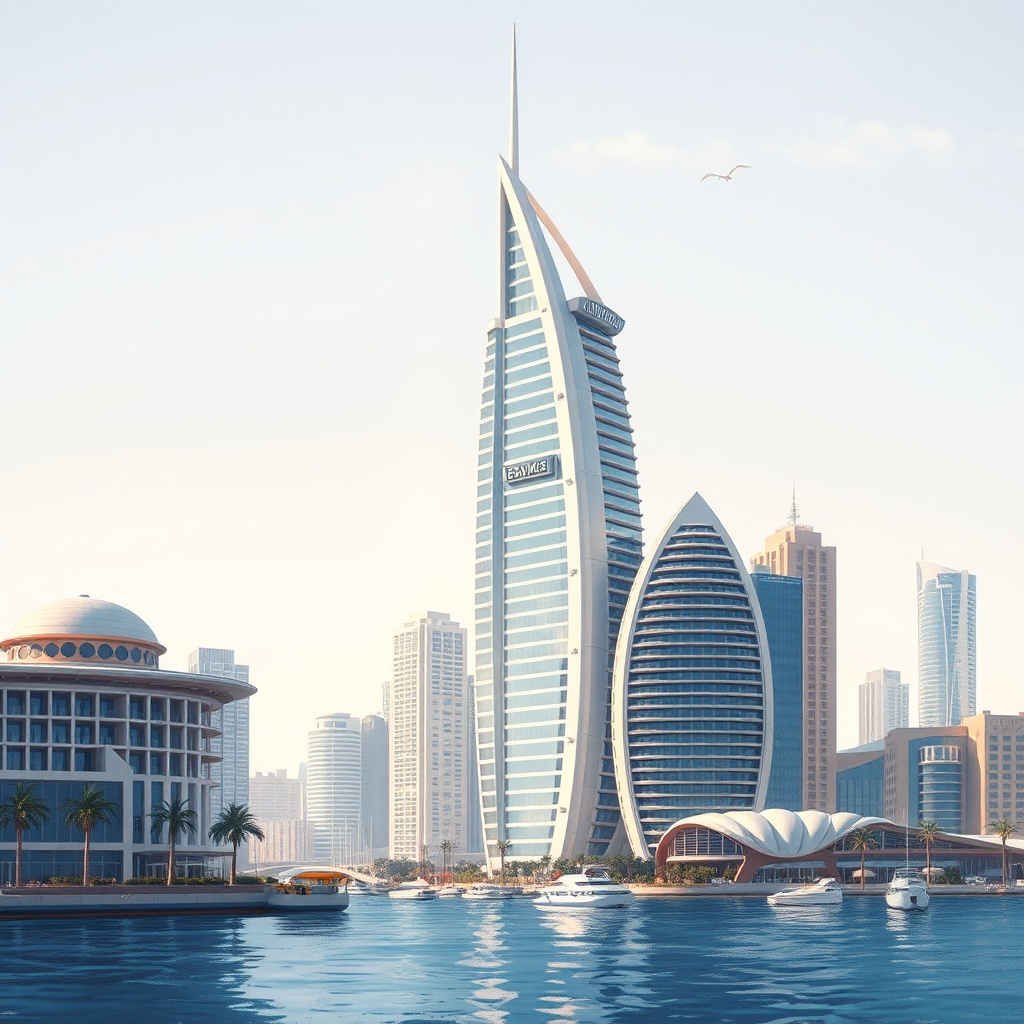
Dubai’s skyline is still synonymous with iconic skyscrapers, but a quieter transformation is underway: a citywide push toward sustainability that touches energy, transport, buildings, and everyday life. Whether you’re planning a visit or tracking urban innovation, Dubai’s green initiatives make it easier to enjoy the city while reducing your footprint.
What’s changing across the city
– Renewable energy rollout: Large-scale solar projects and incentives for rooftop installations are expanding clean power generation. Public and private developments increasingly include on-site solar and smart-grid connections to reduce reliance on fossil fuels.
– Greener buildings: Updated regulations encourage energy-efficient designs, reduced water consumption, and sustainable materials. New commercial and residential towers often include automated energy-management systems, shaded facades, and high-performance glazing to cut cooling loads.
– Sustainable transport: Public transit networks are expanding alongside growing infrastructure for electric vehicles, including charging stations and EV-friendly taxi fleets. Micromobility options—e-scooters and bike-share programs—connect neighborhoods and reduce short-trip car use.
– Urban nature and water management: Investments in parks, mangrove restoration, and water-wise landscaping are transforming public spaces while tackling heat and stormwater management. Desert greening and rooftop gardens are also gaining traction in residential and commercial projects.
– Circular economy and waste reduction: Initiatives targeting plastics, food waste, and construction materials encourage recycling and reuse. Some districts pilot waste-to-energy and composting programs to close resource loops.
Sustainable experiences for visitors
– Choose eco-conscious accommodations: Look for hotels with energy-saving certifications, linen reuse programs, water-saving fixtures, and food-waste reduction initiatives. Many properties now publish sustainability practices on their websites.
– Use public transport and shared mobility: The metro and tram connect major attractions, while buses and water taxis help reduce car use.
For short distances, e-scooters and bike lanes are becoming practical options in downtown and waterfront areas.
– Eat local and seasonal: Dubai’s vibrant food scene includes urban farms, hydroponic growers, and restaurants highlighting locally sourced produce. Choosing these options supports lower food-mile footprints.
– Visit green attractions: Urban parks, waterfront promenades, mangrove reserves, and sustainable architecture tours offer a front-row seat to the city’s environmental efforts.
– Reduce single-use waste: Carry a reusable bottle and shopping bag—many cafés and markets provide filtered water refill points and encourage reusable containers.
Why it matters
Sustainability in a desert megacity requires balancing rapid growth with resource constraints. Efforts to reduce energy and water demand, diversify energy supply, and encourage circular practices not only lower emissions but also improve livability—cooler streets, cleaner air, and more accessible public spaces.
How to stay informed
Follow official municipal resources and hotel sustainability pages for the latest initiatives and practical tips. Many attractions and new developments publish their environmental targets and certifications, which can help you choose low-impact experiences.
Small choices add up
Dubai’s green transition is a work in progress, but progress is visible across infrastructure and daily life. Travelers and residents who opt for public transit, eco-certified stays, and mindful consumption contribute to a city that looks impressive and feels sustainable. Whether exploring the waterfront or taking a desert excursion, a few simple choices can make your visit both memorable and low-impact.