Dubai’s skyline is a global shorthand for ambition: glass-clad towers, engineered islands and a hospitality scene that constantly resets expectations.
Yet beneath the shine, the city is reshaping itself around sustainable growth, smarter mobility and deeper cultural experiences — making it a richer destination for travelers and investors who want more than just glamour.
A greener urban core
Efforts to make Dubai more sustainable are visible across neighborhoods. New developments emphasize green building standards, energy-efficient systems and water-saving landscaping that suit the desert climate. Solar arrays and large-scale renewable projects are increasingly powering districts and commercial hubs, while rooftop farms and urban agriculture initiatives are turning unused spaces into productive gardens that reduce food miles and add community value.
Smart mobility and connectivity
Getting around Dubai has become increasingly seamless. High-capacity metro lines and integrated public transport reduce dependence on private cars in central zones. Authorities are piloting autonomous and aerial mobility technologies to tackle congestion and improve last-mile connectivity, while ride-hailing and shared-mobility services complement traditional taxis. For visitors, this means shorter transfer times from airports to hotels and more efficient access to attractions across the emirate.
Culture beyond the shopping mall
Dubai’s cultural scene is expanding rapidly.
Restored heritage areas and waterfront promenades offer authentic insights into the city’s trading and pearling past. Contemporary art spaces, performing-arts venues and design districts have matured, spotlighting regional and international talent. Local markets still buzz with the scent of spices and frankincense, offering a tactile contrast to high-end retail experiences and designer malls.
Experiences for every traveler
Luxury hospitality remains a defining feature — from ultra-luxe resorts on man-made islands to boutique hotels tucked into historic neighborhoods — but the visitor mix is broader than ever. Adventure seekers can explore dune landscapes with eco-conscious operators, try sunrise hot-air-ballooning over desert plains, or take guided eco-tours focusing on native flora and fauna. Food lovers will find a serious culinary landscape that ranges from street-food souks to cutting-edge contemporary restaurants showcasing Emirati and fusion cuisines.
Business and innovation hubs
Dubai continues to attract startups, creative enterprises and multinational headquarters thanks to a pro-business environment and specialized free zones. Innovation districts and co-working ecosystems facilitate collaboration between technology firms, investors and research institutions. This blend of capital, talent and regulatory flexibility supports sectors from fintech to clean energy and positions the city as a regional innovation center.
Planning a visit
When planning a trip, consider staying in different neighborhoods to experience Dubai’s varied faces — a luxury waterfront resort for relaxation, a historic district for cultural immersion, and a creative quarter to sample the local arts and food scenes. Book attractions and dining reservations in advance during peak travel periods, and take advantage of combined tickets or city passes to optimize time and cost.
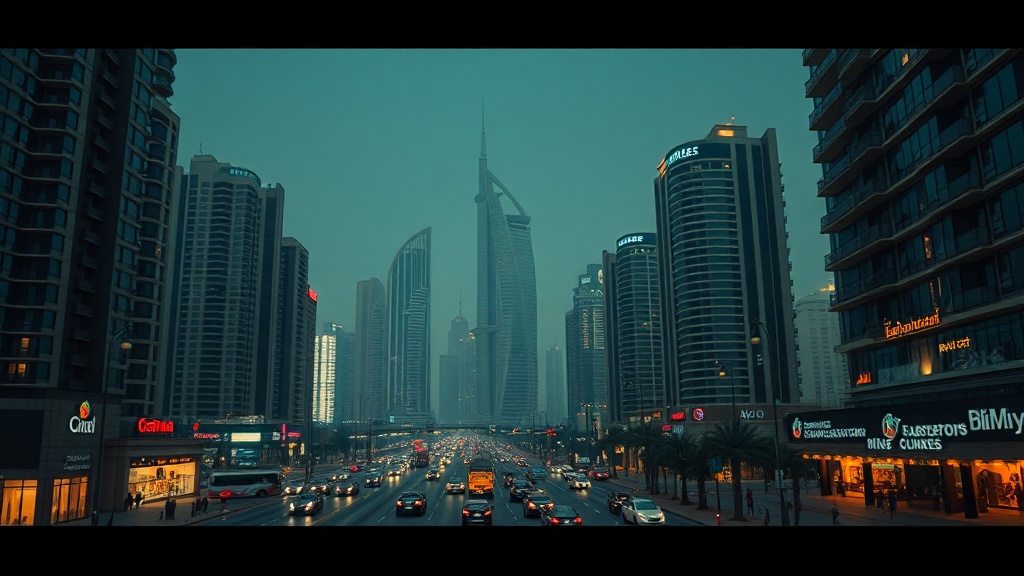
A city of reinvention
Dubai balances large-scale spectacle with quiet evolution toward livability and sustainability. For visitors and investors alike, that means opportunities to enjoy world-class services while participating in a city that is adapting its resources, architecture and mobility systems for long-term resilience. Whether you’re drawn by the skyline, the cuisine, the cultural offerings or the business climate, Dubai offers a dynamic blend of experience and aspiration that continues to attract global attention.