Dubai is reinventing itself as a destination where high-end hospitality meets smart-city thinking and sustainability. For travelers and investors alike, the emirate offers a striking contrast: glittering skyscrapers and luxury malls alongside revitalized heritage neighborhoods and forward-looking green projects. Understanding this balance helps visitors experience the best of Dubai’s culture, cuisine, and innovation.
What to see and do
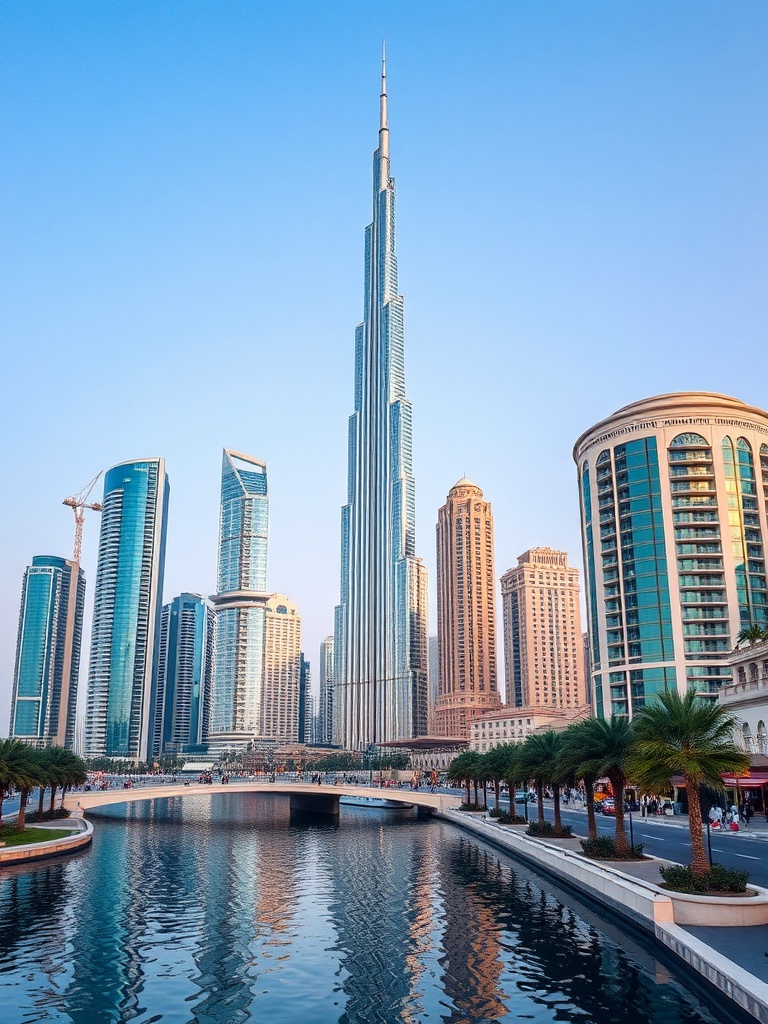
– Iconic viewpoints: A skyline-defining tower and surrounding waterfront promenades remain must-visits for panoramic city views. Nearby, immersive shopping and dining complexes provide seamless indoor-outdoor experiences when temperatures rise.
– Historic quarters: Al Fahidi and creekside areas offer a quieter, more authentic perspective—narrow lanes, restored wind-tower homes, art galleries, and traditional coffee houses. Abra rides across the creek are a simple way to feel the city’s maritime past.
– Cultural hotspots: Contemporary museums and cultural districts showcase regional art and design alongside experimental architecture. Public art and temporary exhibitions frequently pop up across reclaimed waterfronts and mixed-use districts, adding creative energy to the urban fabric.
– Desert and nature experiences: Sustainable desert safaris, conservation-focused wildlife tours, and coastal mangrove excursions let visitors connect with local ecosystems while supporting preservation efforts.
Sustainable luxury and smart-city development
Dubai is positioning sustainable design and technology at the core of new developments. Large-scale solar installations, district cooling innovations, and green building certifications are shaping residential and commercial projects. Mixed-use neighborhoods emphasize walkability, efficient public transport, and green public spaces that reduce urban heat and enhance liveability.
Smart mobility is another focus: an expanding metro network, integrated tram and bus systems, electric taxis, and pilot autonomous shuttles make getting around increasingly convenient. This integration helps reduce congestion and carbon intensity while supporting tourism and daily commuters.
Where to eat and sleep
The culinary scene blends local Emirati flavors with global influences—from high-end fine dining to vibrant street-food halls. Hospitality options range from iconic beachfront resorts and luxury city hotels to boutique stays in restored heritage houses. Many properties now highlight sustainability credentials—energy-efficient operations, locally sourced food, and community-focused programs—making it easier to choose an eco-conscious stay.
Practical tips for visitors
– Timing: Visit during the cooler months for comfortable outdoor exploration; indoor attractions and beachfront resorts remain enjoyable year-round with climate-controlled comfort.
– Dress and customs: Respectful, modest attire is recommended at cultural sites and government buildings.
Casual beachwear is acceptable at resort areas and private beaches.
– Transport: Use the metro and tram where possible; rideshares and water taxis complement public transit.
Consider guided eco-tours for desert or wildlife experiences that prioritize conservation.
– Book ahead: Popular attractions and high-end restaurants can fill up quickly, so reserve tickets and dining during peak travel periods.
Why Dubai now matters
The city’s blend of ambitious architecture, cultural revival, and sustainable urban planning offers a glimpse of future-forward hospitality and urban living. Whether seeking luxury, culture, or innovation-driven experiences, Dubai presents a dynamic destination that balances tradition with change—ideal for travelers who want more than a postcard view.