Dubai keeps reinventing itself as a destination that pairs high-end living with forward-looking urban design.
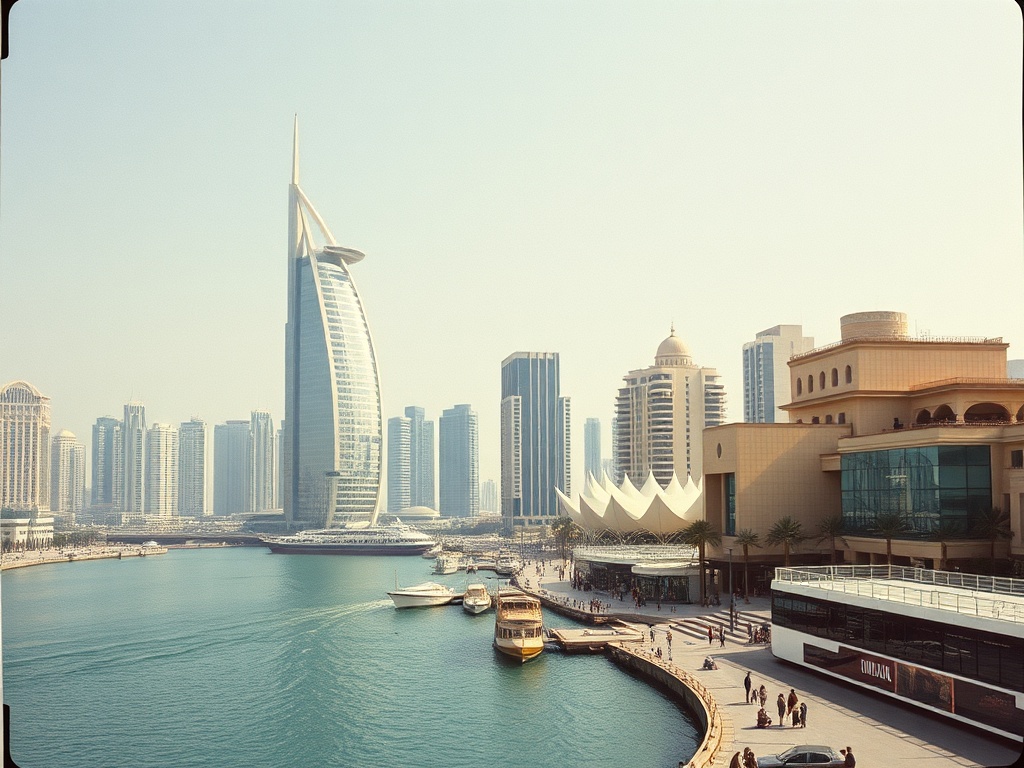
Beneath the iconic skyline and world-class shopping, a quieter evolution is unfolding: smarter transport, greener buildings, and cultural neighborhoods that reward exploration. Whether planning a visit or watching the city’s growth from afar, here are the trends shaping Dubai’s next chapter.
A new definition of luxury
Luxury in Dubai is shifting from pure opulence to curated experiences.
High-end hotels and private villas still dominate, but travelers increasingly seek personalized wellness, culinary storytelling, and private access to cultural sites. Wellness offerings extend beyond spa treatments to include fitness-focused retreats, nutrition-driven dining, and regenerative experiences like desert conservation tours. Luxury is now about exclusivity that aligns with wellbeing and environmental responsibility.
Smart, connected urban living
Dubai’s smart-city initiatives aim to streamline daily life through data-driven services and integrated transport networks. Contactless payment and real-time transit apps make hopping between the metro, trams, water taxis, and ride-hailing services effortless. Residential communities are adopting smart-home systems and app-based facilities booking, while mixed-use developments combine work, shopping, and leisure within walkable districts to reduce commute time and congestion.
Sustainability is becoming mainstream
Sustainability is moving from novelty to norm. Large-scale solar projects, energy-efficient skyscrapers, and district cooling reduce the carbon intensity of new developments. Urban planners are prioritizing green corridors, shaded walkways, and expanded cycling infrastructure to make active mobility a practical choice. Marine and mangrove restoration projects near the creek and coastal wetlands underscore a growing commitment to protecting biodiversity alongside urban growth.
Cultural depth beyond the landmarks
Dubai’s arts and cultural scene continues to deepen.
Contemporary art hubs, design districts, and small independent galleries showcase regional and international artists. Historic neighborhoods rebuilt and restored along the creek provide atmospheric contrasts to the city’s modern architecture—ideal for walking tours that combine traditional markets, small museums, and local cafés. Culinary exploration is equally rewarding: fusion kitchens, Emirati fine dining, and family-run street-food stalls are all part of Dubai’s evolving food story.
Practical tips for a smarter visit
– Time your outings for early morning or evening to avoid midday heat and experience the city at its liveliest.
– Use public transport and water taxis for efficient, scenic travel; apps make transfers seamless.
– Book popular attractions in advance and look for combined tickets to maximize value.
– Explore smaller neighborhoods and local markets to discover authentic crafts and flavors that don’t make the usual itineraries.
Looking ahead
Dubai is balancing ambition with adaptability—pushing for economic growth while integrating smarter infrastructure and environmental priorities. The result is a city that still dazzles with grand projects but is increasingly attentive to livability, cultural depth, and sustainability.
For visitors and residents alike, that makes Dubai a place of continual surprises: familiar attractions reframed by new ways of living, traveling, and enjoying urban life.