The hospitality landscape across the Middle East is evolving rapidly, blending timeless hospitality traditions with modern expectations. Whether travelers seek ultra-luxury urban towers, intimate boutique riads, desert wellness retreats, or business-ready conference hotels, properties in the region are redefining what a stay can be by focusing on experience, sustainability, and local culture.
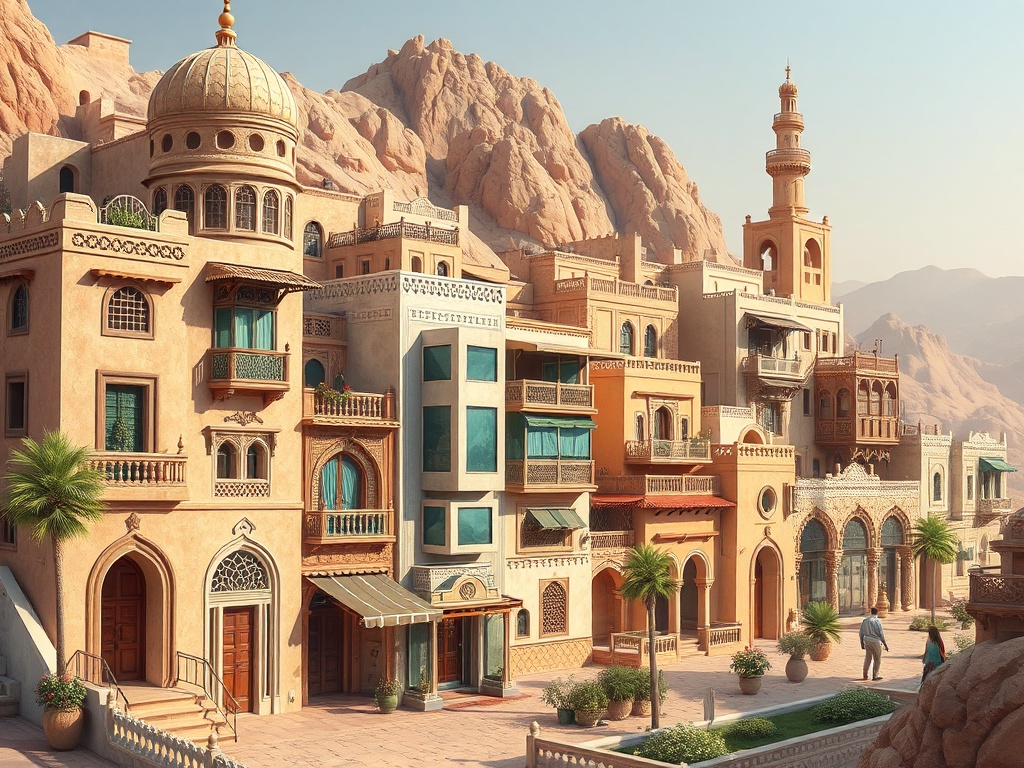
Guest experience now goes beyond plush bedding and fine dining. Hotels are crafting narratives around place — converting historic buildings into boutique properties, integrating regional design motifs, and curating authentic cultural programming such as food workshops, guided heritage walks, and collaborations with local artists. This experiential approach appeals to both leisure travelers who want a deeper connection to destination and business guests looking to extend stays with meaningful downtime.
Sustainability is a major operational and marketing priority. Energy-efficient systems, solar panels, greywater recycling, and waste-reduction programs feature prominently on hotel websites and in guest communications.
Properties are also sourcing local produce and partnering with nearby farms and cooperatives to reduce supply-chain footprints while elevating F&B offerings. Sustainability credentials increasingly influence booking decisions, so clear reporting and visible initiatives — from LED lighting to single-use plastic reduction — are essential.
Wellness is another headline factor shaping hotel design and services. Beyond spas and fitness centers, leading properties offer comprehensive wellness programming: mindfulness sessions, nutrition-forward menus, outdoor movement classes, and bespoke recovery suites. Desert and coastal resorts are leaning into nature-based therapies, while urban hotels create quiet sanctuaries with soundproofing, air-quality controls, and sleep-focused amenities.
Digital convenience remains crucial, but travelers expect it to be seamless and secure. Mobile check-in and mobile keys, frictionless payments, multilingual digital concierge services, and high-speed connectivity are standard. At the same time, hotels must balance personalization with privacy, transparently explaining how guest data is used and protected.
Business travel and meetings continue to be a strong segment. Modern MICE facilities combine flexible meeting spaces with hybrid-event technology and dedicated event teams that can tailor experiences from small board meetings to large conferences. Hotels that emphasize adaptable spaces, reliable connectivity, and wellness breaks for delegates win repeat business.
Food and beverage is a powerful differentiator. Properties that spotlight regional flavors, elevated street-food concepts, and chef-led tasting menus attract both guests and locals. Rooftop bars, beach clubs, and destination restaurants create additional revenue streams and social vibrancy.
Safety and service excellence remain central to reputation. Travelers expect rigorous hygiene standards, visible staff training, and clear communication on safety protocols. Strong loyalty programs and personalized guest recognition retain high-value clientele across multiple stays and brands.
Key trends shaping Middle East hotels:
– Experiential stays: heritage conversions, curated local experiences, and destination programming
– Sustainability: water conservation, renewable energy, local sourcing, and plastic reduction
– Wellness integration: sleep-focused rooms, nature-based therapies, and comprehensive wellness itineraries
– Seamless digital service: mobile check-in, digital concierge, and secure data practices
– Culinary authenticity: regional ingredients, chef collaborations, and unique F&B concepts
For hoteliers and marketers, the imperative is to align design, operations, and storytelling.
Clear online content that highlights unique selling points — sustainability measures, cultural programming, wellness offerings, and safety practices — helps properties stand out. Travelers are seeking memorable, responsible, and convenient stays; hotels that deliver on all three will capture both attention and loyalty in a competitive regional market.