Middle East hotels are redefining luxury and convenience, blending iconic architecture with local culture and next-level service.
Whether you’re booking a business trip to a bustling city or seeking a secluded desert retreat, understanding current hotel trends and how to choose the right property can make a big difference to your stay.
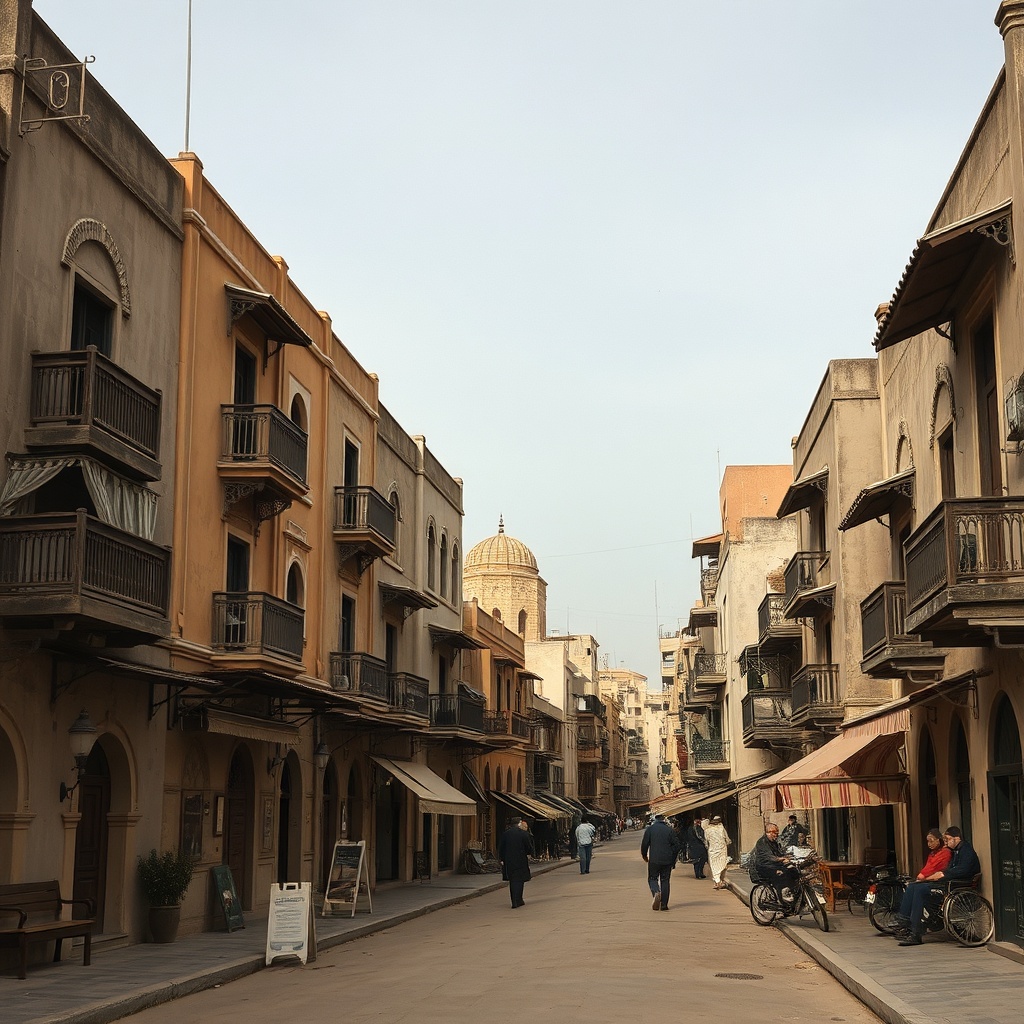
What to expect from Middle East hotels
– Elevated luxury with local identity: Many properties combine opulent design with regional artistry—think contemporary interiors framed by traditional motifs, artisan furnishings, and culinary programs focused on local ingredients.
– Tech-forward service: Contactless check-in, mobile keys, in-room voice assistants, and curated apps for dining and spa bookings are commonly available.
Business travelers benefit from high-speed Wi-Fi and flexible meeting spaces.
– Wellness and sustainability: Spas, rooftop pools, and desert wellness experiences are staples, while more hotels are adopting energy-efficient systems, waste-reduction programs, and locally sourced materials to support sustainability goals.
– Experiential offerings: Guests can expect immersive activities—guided cultural tours, culinary masterclasses, private desert outings, and art-focused programs that bring local heritage to life.
Choosing the right hotel for your trip
– Define priorities: Decide whether location, design, family services, wellness facilities, or proximity to business hubs matters most. City-center hotels are best for meetings and sightseeing; resorts on the outskirts provide privacy and nature-based experiences.
– Look beyond star ratings: Read recent guest reviews and check what amenities are actually included—some hotels charge extra for spa access, airport transfers, or breakfast.
– Check cultural and legal norms: Alcohol availability, dress codes, and on-site prayer facilities vary by property and country. If these factors matter, confirm policies before booking.
– Evaluate transportation access: Proximity to metro stations, airport transfer options, and parking can affect your itinerary and budget.
Tips for smarter bookings
– Use flexible rates when plans may change; many hotels now offer free cancellation or date-change options.
– Leverage loyalty programs for upgrades, late checkout, and access to exclusive lounges—useful for frequent travelers across regional chains.
– Contact the property directly for special requests like family rooms, connecting suites, or tailored dining for dietary needs, including halal or vegetarian menus.
– Consider boutique and independent hotels for more intimate service and local character, while global brands typically offer consistent amenities and extensive meeting facilities.
Family, business, and special-interest stays
– Family-friendly hotels often provide kids’ clubs, dedicated pools, babysitting, and family suites. Verify child policies and any extra fees.
– For meetings and events, look for flexible ballroom layouts, on-site AV support, and hybrid-meeting capabilities to accommodate international attendees.
– Adventure and culture seekers should seek properties that partner with local guides—this enhances safety and supports community-based tourism.
Safety and guest experience
– Most reputable hotels maintain robust health and safety procedures; check recent guest feedback for cleanliness and service consistency.
– Respect for local customs helps ensure a smooth stay: modest dress in public areas may be expected in certain places, and being aware of prayer times can enhance cultural appreciation.
Choosing the right Middle East hotel means aligning your travel priorities with a property’s strengths—luxury, location, sustainability, or local experiences. A little research and direct communication with the hotel will help ensure a stay that’s comfortable, culturally respectful, and memorable.