Dubai continues to reinvent itself as a global playground where futuristic architecture, cultural renewal, and sustainable innovation meet unparalleled hospitality. Whether planning a short city break or evaluating business opportunities, understanding what makes Dubai unique helps travelers and investors make the most of their visit.
A city of contrasts: skyline, sand, and sea
Dubai’s skyline is instantly recognizable: soaring towers, distinctive silhouettes, and waterfront developments that change the skyline seasonally. Beyond the skyscrapers are wide desert landscapes and a long coastline offering both adrenaline-fueled activities and quiet escapes. That mix of urban convenience and natural playgrounds is central to Dubai’s appeal.
Sustainability and smart-city transformation
Dubai is pursuing cleaner energy and smarter infrastructure as part of a visible push toward sustainability.
Large-scale solar initiatives, electric vehicle adoption, and smart-grid investments are shaping daily life. Urban planners are increasingly prioritizing walkable districts, shaded pedestrian routes, and integrated public transport to reduce car dependency.
Visitors notice these changes through expanded metro lines, modern tram systems, and more cycle-friendly paths.
Culture and creativity beyond the glitz
A growing creative scene adds new layers to Dubai’s identity. Contemporary art galleries and cultural districts host rotating exhibitions, independent theaters stage cutting-edge productions, and curated street art adds color to formerly industrial neighborhoods. Traditional souks and waterfront promenades retain the city’s historic trading roots, while cultural festivals and performances bring communities together in public spaces.
Food scene: from street food to fine dining
Food culture in Dubai is eclectic and ambitious. Street-food markets and local cafés serve authentic regional flavors, while internationally acclaimed chefs run fine-dining restaurants that attract gastronomes.
Culinary diversity means visitors can enjoy Emirati specialties, Levantine mezze, South Asian classics, and inventive fusion menus—often within a single neighborhood.
Dining options also emphasize experience: rooftop terraces, beachfront dining, and immersive tasting menus are common.
Experiences not to miss
– Desert activities: dune bashing, sandboarding, and overnight desert camps provide an iconic Arabian experience.
– Waterfront promenades: leisure walks, cycling, and yacht charters offer a different perspective on the city.
– Cultural neighborhoods: explore traditional markets, historic districts, and contemporary art hubs.
– Architectural landmarks: seek out signature buildings, observation decks, and urban parks that showcase design innovation.
– Family attractions: theme parks and aquariums remain accessible options for multi-generational travel.
Business and lifestyle advantages
Dubai’s strategic location, modern transport links, and flexible business policies continue to attract entrepreneurs and remote workers. Co-working hubs, incubators, and mixed-use districts offer networking opportunities and lifestyle perks. Residential options range from luxury, full-service towers to more affordable family-oriented communities, each with access to amenities and international schools.
Practical tips for visitors
Plan for warm weather and busy transport hubs—book popular experiences in advance. Use public transport for efficient travel between major attractions; ride-hailing options and rental e-scooters are widely available for shorter trips.
Respect local customs in conservative areas and check dress codes for cultural sites.
Dubai’s constant evolution makes it a compelling destination for travelers, creatives, and businesspeople alike.
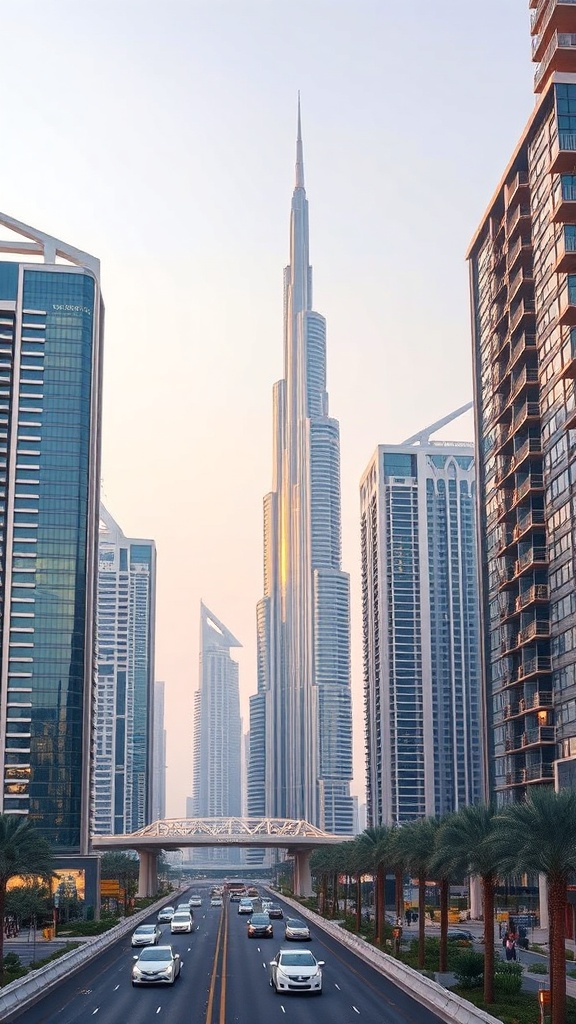
The blend of ambitious urban planning, cultural investment, and a hospitality-first mindset ensures the city remains dynamic and welcoming, with new experiences emerging seasonally.