Dubai’s skyline is often associated with luxury and rapid growth, but the city is also reshaping its image as a leader in sustainable urban development. From rooftop solar and green building standards to electric mobility and eco-conscious tourism, Dubai is blending high-end appeal with practical steps toward a lower-carbon future.
Green building and energy efficiency are central to the shift. New developments increasingly adopt green design principles—improved insulation, smart glazing, efficient HVAC systems, and on-site renewable energy. Local regulations now encourage developers to meet energy performance targets, and many flagship projects showcase net-zero-ready design, greywater recycling, and intelligent building management systems that cut consumption while improving occupant comfort.
Renewable energy deployment is visible across the cityscape. Large-scale solar installations and distributed rooftop arrays help power residential and commercial districts, and smart-grid technology enables better matching of supply and demand. Utilities and private developers are investing in storage and grid flexibility to support intermittent generation, while incentives make solar more accessible for businesses and homeowners.
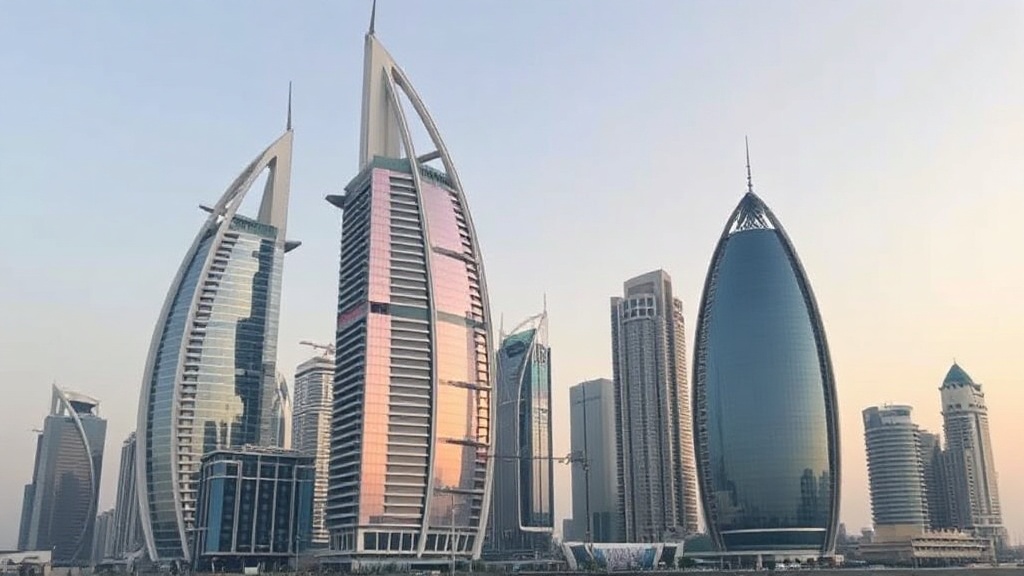
Mobility is another area where Dubai is redefining convenience and sustainability. The metro and tram networks offer reliable public transport, while integrated ticketing and first/last-mile solutions make transit more appealing for residents and visitors. Electric vehicle infrastructure is expanding rapidly: fast-charging stations are being added across major roads, parking hubs, and commercial centers, and fleets of electric taxis and buses are becoming more commonplace. Pilot programs for autonomous and shared mobility aim to reduce congestion and emissions by optimizing routes and vehicle utilization.
Waste management and circular economy initiatives are gaining momentum. Recycling programs, organic waste composting, and waste-to-energy pilot projects help divert materials from landfills and create useful byproducts. Businesses are increasingly adopting circular practices—packaging reduction, product take-back schemes, and material reuse—to meet both regulatory expectations and consumer demand for sustainable choices.
Sustainable tourism is growing as travelers seek experiences that minimize environmental impact without sacrificing quality.
Eco-certified hotels and resorts now promote water-saving fixtures, energy-efficient operations, and locally sourced dining. Nature-based experiences, such as protected coastal areas and desert conservation projects, offer low-impact excursions that support biodiversity and local stewardship.
Events and attractions are also adopting greener practices, from reduced single-use plastics to carbon-offset options for large gatherings.
Technology and data play a foundational role. Smart city platforms collect insights from transport, energy, and building systems to improve efficiency and resilience. Real-time monitoring enables predictive maintenance and more responsive services, while digital permitting and licensing reduce paperwork and speed up green upgrades for businesses.
The combination of bold architecture, smart technology, and tangible sustainability measures positions Dubai as a modern metropolis that balances ambition with responsibility. Whether you’re considering relocation, investment, or visiting for leisure, there’s a growing opportunity to experience the city’s luxury offerings through more eco-conscious choices—stay at an eco-certified hotel, use public transit, explore solar-powered attractions, or look into green-certified properties when investing. These options make it easier to enjoy Dubai’s dynamic lifestyle while supporting a more sustainable urban future.