The Middle East hotel scene blends bold modernity with deep-rooted hospitality traditions, creating stays that range from desert sanctuaries to ultra-modern city towers. Whether travelers seek high-design luxury, authentic cultural encounters, or environmentally conscious accommodations, the region’s hotels are evolving fast to meet sophisticated expectations.
Experiential stays and cultural immersion
Hotels are moving beyond polished rooms to offer immersive experiences that connect guests to local culture. Expect curated city walks, private access to heritage sites, culinary workshops with local chefs, and partnerships with regional artists. In destinations with rich historical layers, boutique hotels often use storytelling and on-site exhibitions to deepen the guest experience, making the stay itself a discovery.
Sustainability as a core value
Sustainability is no longer an optional PR line. Many hotels emphasize water-efficient landscaping, renewable-energy systems, waste-minimization programs, and locally sourced F&B offerings.
Certifications and third-party audits help travelers identify genuine eco-conscious properties.
For eco-minded guests, seek hotels with transparent sustainability reports, low-impact design choices, and community-support initiatives that benefit local suppliers and staff.
Wellness and medical travel
Wellness departments now sit alongside fine dining and conference facilities.
From comprehensive spa programs that blend traditional therapies with modern science to hotels hosting medical tourism services, wellness offerings are broadening. Properties near mineral-rich destinations like the Dead Sea continue to promote therapeutic experiences, while city hotels integrate recovery-focused amenities — sleep-enhancing rooms, IV hydration, and tailored fitness programs — into their packages.
Technology and frictionless service
Contactless check-in, mobile keys, and in-room automation are widespread, improving speed and convenience. Hotels are also layering tech with personalization: AI-driven guest profiling (handled carefully under privacy policies) enables pre-arrival preferences, on-demand concierge chat, and dynamic room adjustments. For business travelers, integrated meeting tech and hybrid-event capabilities are standard considerations when selecting venues.
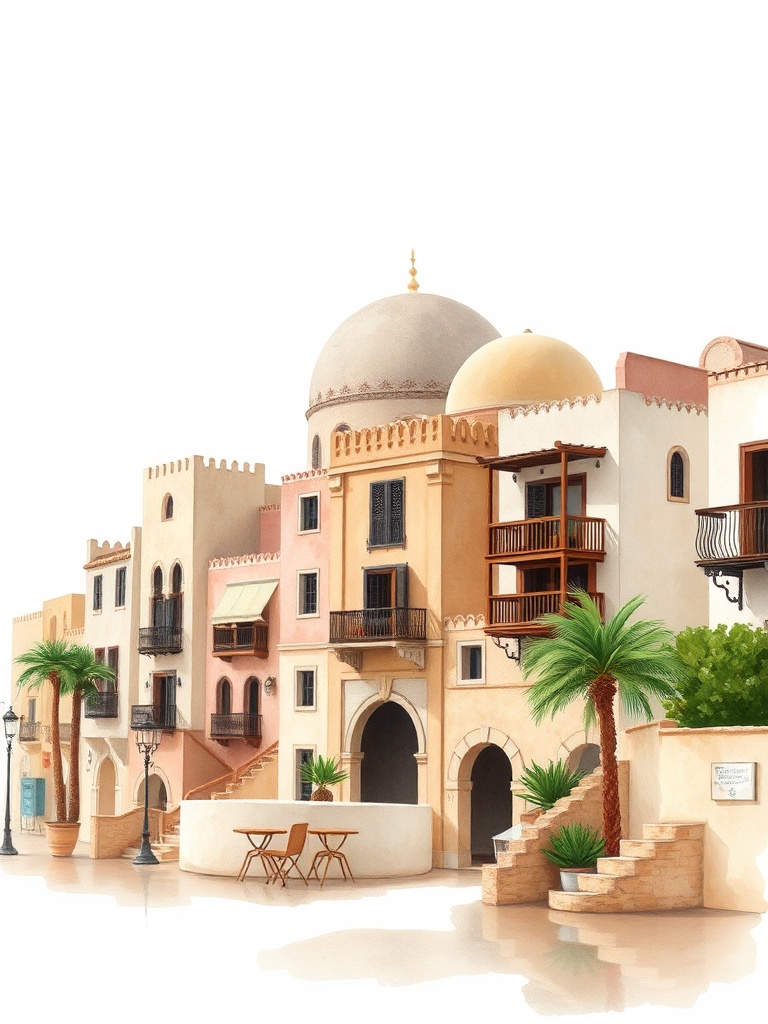
Design, heritage conversions, and unique settings
Architecture and design remain major selling points. Expect dramatic beachfront resorts, minimalist desert lodges, and sophisticated city properties housed in repurposed historic buildings.
Heritage conversions — from Ottoman buildings to traditional courtyard houses — offer intimate alternatives to international-branded hotels, often featuring local craftsmanship and materials that anchor guests in place.
Segmentation: luxury, lifestyle, and beyond
The market caters to distinct traveler needs: ultra-luxury properties deliver personalized butler services and exclusive experiences; lifestyle hotels focus on social spaces, nightlife, and local culture; and boutique properties emphasize curated, intimate stays. Budget and midscale hotels are also improving service standards and design quality, making them attractive options for longer stays or value-conscious travelers.
Practical tips for choosing a hotel
– Prioritize location relative to your activities: city center for business and culture, beachfront for relaxation, or desert access for adventure.
– Verify sustainability credentials and community engagement if eco-impact matters.
– Check wellness and family offerings if traveling with children or seeking therapeutic services.
– Look for flexible cancellation policies and clear safety protocols.
The hospitality landscape across the Middle East is expanding its palette of experiences while foregrounding sustainability, wellness, and high-tech convenience. For travelers seeking thoughtful design, authentic cultural connections, or next-level relaxation, the region’s hotels offer compelling options that match evolving expectations.