The hospitality scene across the Middle East has evolved beyond grand lobbies and skyline views.
Travelers now expect a blend of local authenticity, high-tech convenience, and responsible practices — and top hotels are responding with striking design, immersive experiences, and thoughtful service.
What sets Middle East hotels apart
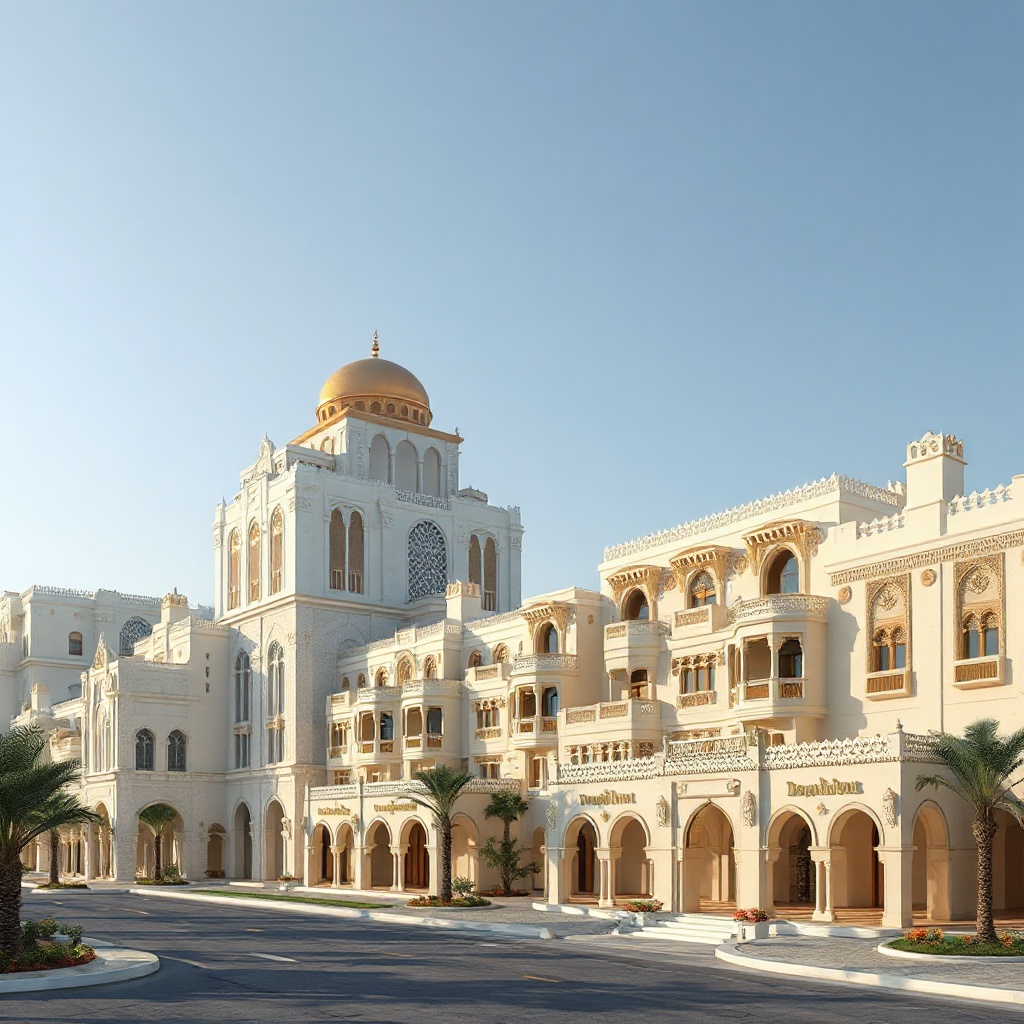
– Cultural design language: Many properties fuse contemporary architecture with regional crafts — think geometric mashrabiya screens, handwoven textiles, and courtyard layouts that reference traditional houses. This creates a strong sense of place that appeals to culturally curious guests.
– Destination dining: Hotels have become culinary anchors, hosting chef-driven restaurants that spotlight regional ingredients — fresh seafood from the Red Sea, Levantine mezze, or Gulf-inspired spice blends.
Food halls and pop-up kitchens also let guests sample a variety of local flavors without leaving the property.
– Wellness and privacy: Desert resorts, coastal retreats, and city spas emphasize wellness offerings from hammam rituals and desert yoga to personalized detox programs. Many upscale hotels now offer private pool villas and secluded suites for travelers seeking privacy.
Trends shaping guest expectations
– Sustainability as a headline feature: Guests look for properties that minimize water use, reduce single-use plastics, and source food locally.
Hotels showcase sustainability through solar power, native landscaping, and partnerships with community projects.
– Seamless digital experiences: Mobile check-in, digital keys, and on-demand room controls have become standard for convenience-conscious travelers. Virtual concierges and contactless dining options enhance safety and efficiency without sacrificing service.
– Experiential packages: More hotels package experiences — guided cultural tours, behind-the-scenes culinary classes, night safaris in desert reserves, or yacht charters — making it simple to explore a destination with curated expertise.
Choosing the right property
Consider purpose, pace, and context. Business travelers should prioritize central locations, high-speed internet, and efficient airport transfers. Couples and wellness seekers may prefer quieter resorts with spa programs and private beach access.
Families benefit from larger suites, kids’ clubs, and family-friendly dining choices.
Practical booking tips
– Check cancellation and flexibility policies, especially for long-haul plans or multi-stop itineraries.
– Compare direct-booking perks such as free breakfast, room upgrades, or credits for dining and spa services.
– Look for loyalty programs that align with your travel frequency; points and status can unlock value on repeat stays.
– Review cultural norms: some destinations have dress codes or restrictions around alcohol in certain neighborhoods or properties — planning ahead avoids surprises.
Safety, hygiene, and service standards
Hotels across the region maintain rigorous hygiene protocols and enhanced cleaning routines.
Many properties train staff in guest health and safety while preserving the warmth of traditional hospitality.
Clear communication about policies and services helps travelers make informed choices before arrival.
Final thought
Whether your priority is design-led luxury, active wellness, family-friendly convenience, or culinary exploration, Middle East hotels offer a wide spectrum of options. Focus on what matters most — location, experience, and service — and use hotel packages and loyalty benefits to maximize value while discovering thoughtful hospitality rooted in local culture.