Middle East hotels are redefining luxury and utility at the same time, blending deep cultural roots with modern comforts to meet evolving traveler expectations. Whether guests seek beachfront relaxation, city-center glamour, or authentic cultural immersion, hotels across the region are sharpening their offerings around sustainability, wellness, technology, and locally sourced experiences.
Sustainability as a selling point
Sustainability has moved from optional to essential. Many properties emphasize water conservation, solar power, and waste reduction—important in arid climates where resource management matters. Travelers increasingly look for hotels with visible green credentials: energy-efficient lighting, linen programs that reduce water use, on-site recycling, and partnerships with local conservation groups. For operators, promoting these measures can boost appeal among eco-conscious guests and corporate bookers alike.
Wellness beyond the spa
Wellness remains a core differentiator.
Beyond traditional spas, hotels are expanding holistic programs that include sleep optimization, nutrition-focused dining, mindfulness classes, and outdoor fitness options.
Thermal experiences, hammams reimagined with contemporary treatments, and private wellness villas offer elevated privacy for high-net-worth guests.
For longer stays, wellness offerings extend to tailored diet plans and fitness-on-demand—meeting the needs of travelers who prioritize health while away from home.
Technology and personalization
Technology is shaping the guest journey from booking to checkout. Mobile check-in, digital keys, voice-controlled room features, and in-room tablets for concierge services are now commonplace in higher-end and midscale hotels. Data-driven personalization—customizing room temperature, pillow types, and minibar contents—improves satisfaction and encourages repeat visits. Hotels balancing seamless tech with warm human service will stand out.
Culinary authenticity and destination dining
Dining remains a central experience. Hotels are investing in destination restaurants featuring regional cuisines and celebrated chefs. From Levantine mezze to Gulf seafood and Persian-influenced tastes, culinary programs that spotlight local ingredients and traditional techniques resonate strongly with both international and local diners. Farm-to-table sourcing and chef-led culinary experiences add narrative that guests remember and share.
Halal-friendly and culturally aware offerings
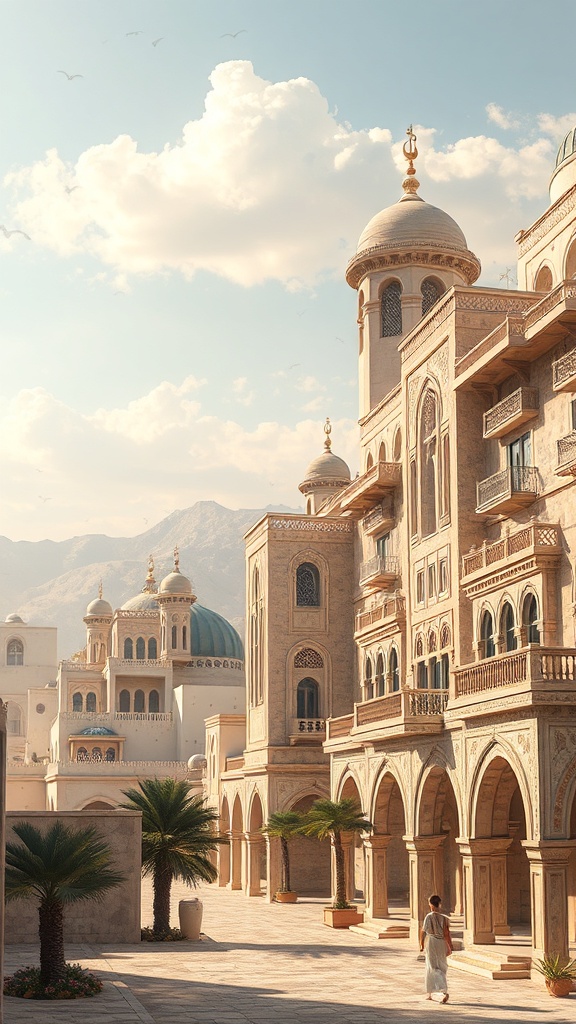
Cultural authenticity and respect are critical. Many hotels provide halal food options, prayer rooms, and family-oriented facilities, while some properties cater to alcohol-free stays and gender-sensitive amenities. These services appeal to regional and international Muslim travelers seeking respectful, high-quality hospitality without compromising comfort.
Bleisure and remote-work readiness
Work-from-anywhere lifestyles have influenced hotel design. Co-working spaces, high-speed internet, soundproofed rooms, and flexible meeting spaces make hotels attractive for mixed business-leisure trips. Extended-stay packages and serviced apartments cater to guests combining work obligations with leisure exploration.
Local experiences and community ties
Top properties are forging deeper community ties—arranging guided cultural tours, artisan workshops, and neighborhood food walks that connect guests to authentic local life.
These experiential touches give hotels a storytelling edge and support local economies, which travelers increasingly value.
Practical tips for travelers
– Check sustainability and wellness facilities if those matter to you.
– Confirm halal or alcohol policies when booking to match your preferences.
– Look for properties offering remote-work packages if you plan to work on the go.
– Ask about local experiences and private tours to make the stay more memorable.
Hotels across the Middle East are evolving fast to meet diverse traveler needs. The most successful properties are those that combine local authenticity with responsible practices, modern tech, and tailored wellness—creating stays that feel both luxurious and meaningful.