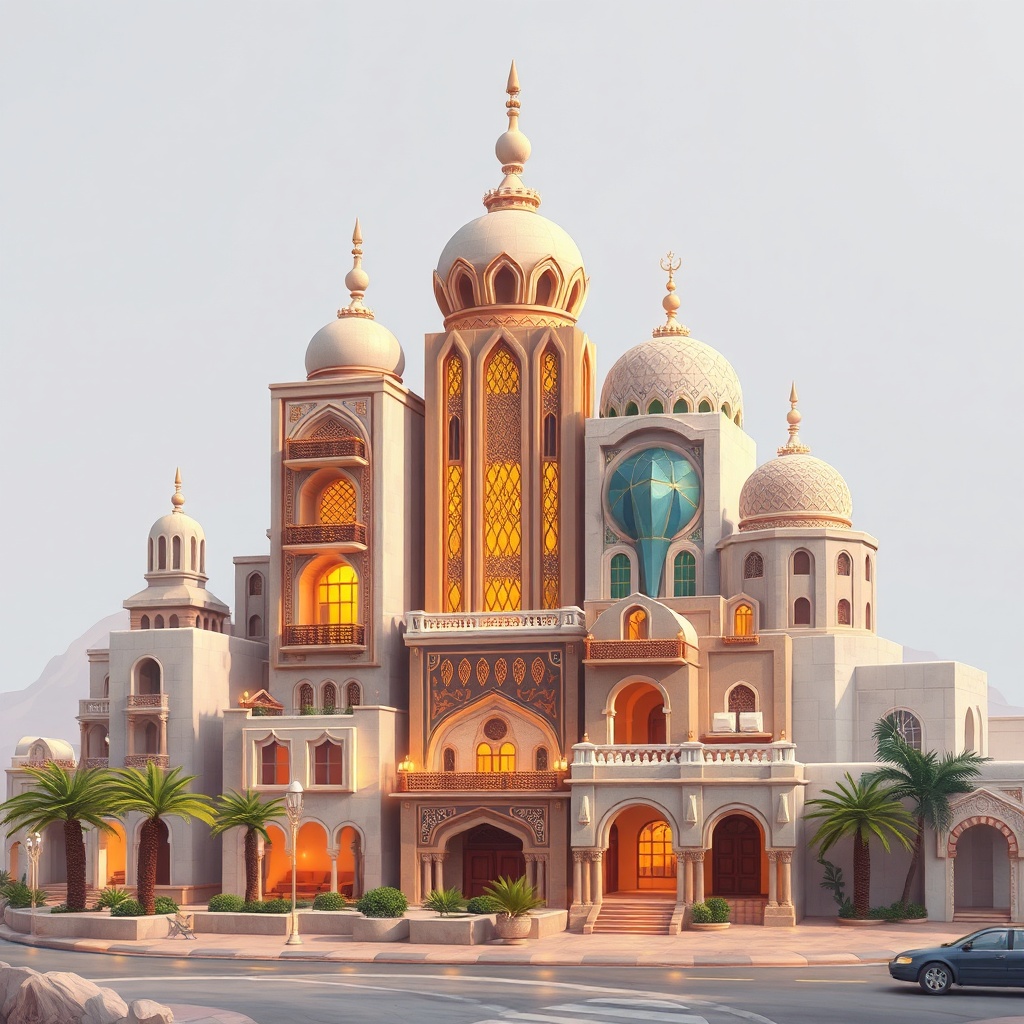
Middle East hotels are redefining hospitality by blending deep cultural heritage with modern comforts.
Whether travelers seek desert seclusion, cosmopolitan glamour, or intimate heritage stays, the region’s properties are delivering curated experiences that resonate with today’s discerning guests.
Luxury reimagined
Luxury in the Middle East goes beyond opulent design and grandiose scale.
Leading hotels emphasize personalized services, exclusive experiences, and narrative-driven stays. Think private desert dining under starlight, chef-led culinary journeys highlighting regional ingredients, and bespoke city tours arranged by hotel concierges. Branded residences and villa-style accommodations are thriving, offering longer-stay guests a home-within-a-hotel model that combines privacy with full-service amenities.
Boutique and heritage stays
There’s growing interest in small boutique hotels and restored historic properties set within old quarters and archaeological zones. These lodgings appeal to travelers seeking authenticity—stays in converted homes, renovated caravanserais, or stone guesthouses provide a strong sense of place.
Boutique properties often partner with local artisans and guide experiences that foreground cultural immersion, from traditional craft demonstrations to curated food walks.
Sustainability and wellness
Sustainability has moved from nice-to-have to a core expectation.
Hotels are reducing single-use plastics, installing energy-efficient systems, and sourcing food locally to minimize footprints.
Wellness offerings have become more sophisticated, integrating traditional therapies and modern spa science. Properties emphasize outdoor wellbeing—private pool villas, sunrise yoga sessions, and wellness-focused dining menus that highlight regional superfoods and balanced nutrition.
Technology and seamless service
Smart hotel tech enhances convenience without sacrificing hospitality. Mobile check-in and digital room keys, contactless payments, and in-room voice or tablet controls for lighting and climate are common. Behind the scenes, operations streamline guest requests and house-keeping to create frictionless stays. Connectivity and workspace-friendly rooms cater to hybrid travelers who mix business and leisure.
Halal-friendly travel and cultural etiquette
Many hotels cater to halal-conscious guests with halal-certified dining options, prayer facilities, and privacy-focused amenities. Staff training in cultural etiquette ensures respectful service during religious observances and local holidays. Travelers benefit from transparent information on food sourcing and halal services when booking, making it easier to plan family trips or faith-aligned travel.
Culinary and experiential highlights
Food remains a central draw. Leading properties collaborate with celebrated chefs to offer destination dining—rooftop Mediterranean feasts, modern takes on Levantine cuisine, and immersive market-to-table experiences guided by culinary historians. Experiential programming extends beyond dining: guided desert safaris, archaeological site access, dhow cruises, and curated art tours bring destinations to life.
Practical tips for travelers
– Book flexible rates and confirm cancellation policies, especially around major holidays and events.
– Look for hotels offering local experiences or partnerships with cultural guides to deepen your stay.
– Check sustainability practices and wellness amenities if those are priorities.
– Verify halal certifications or prayer facilities in advance if needed.
– Consider location—proximity to transport hubs, landmarks, and neighborhoods determines how much you’ll explore versus staying in.
The Middle East hotel landscape continues to balance legacy and innovation, offering a broad spectrum of stays—from high-design urban escapes to intimate, culture-rich retreats.
For travelers who value storytelling, service, and sensory experiences, the region’s hotels provide memorable stays that reflect local identity while meeting modern expectations.